
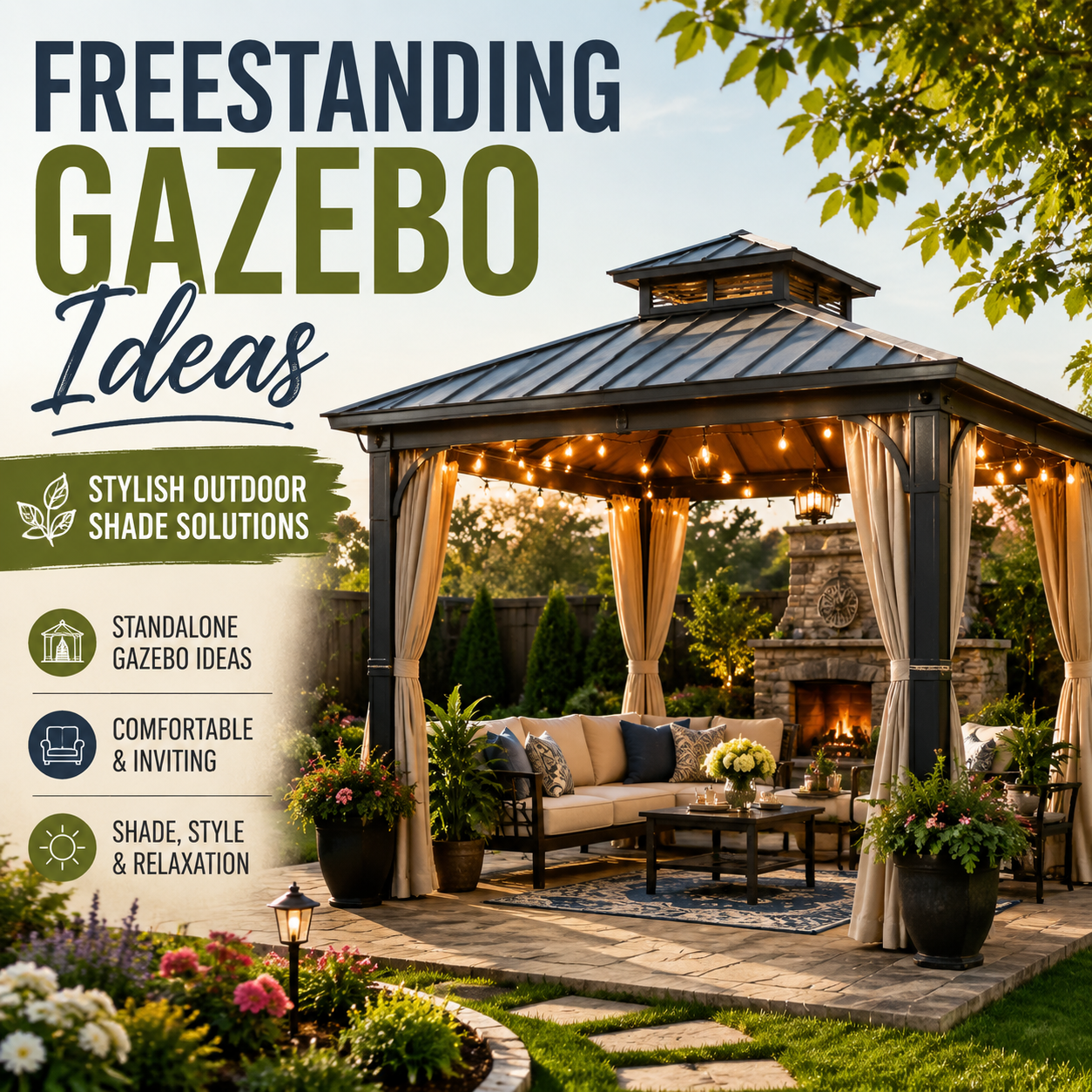
Looking for standalone gazebo ideas that add shade, style, and comfort to your yard? A freestanding gazebo is a standalone outdoor structure designed to create a defined gathering space in a garden, patio, backyard, or pool area. Unlike an attached gazebo, it does not connect to a house or another building, which gives you more freedom to place it where it best fits your layout and lifestyle. For many homeowners, a freestanding gazebo is one of the easiest ways to add comfort, style, and usable outdoor living space.
Table of Contents
- What Is a Freestanding Gazebo?
- Why Choose a Freestanding Gazebo?
- Freestanding Gazebo vs. Attached Gazebo
- Common Uses for a Freestanding Gazebo
- What Materials Are Best for a Freestanding Gazebo?
- What Size Freestanding Gazebo Do You Need?
- Do You Need a Foundation?
- How to Maintain a Freestanding Gazebo
- Do Freestanding Gazebos Add Value?
- What to Consider Before Buying One
- Freestanding Gazebo Design Ideas and Layout Tips
- Is a Freestanding Gazebo Right for You?
What Is a Freestanding Gazebo?
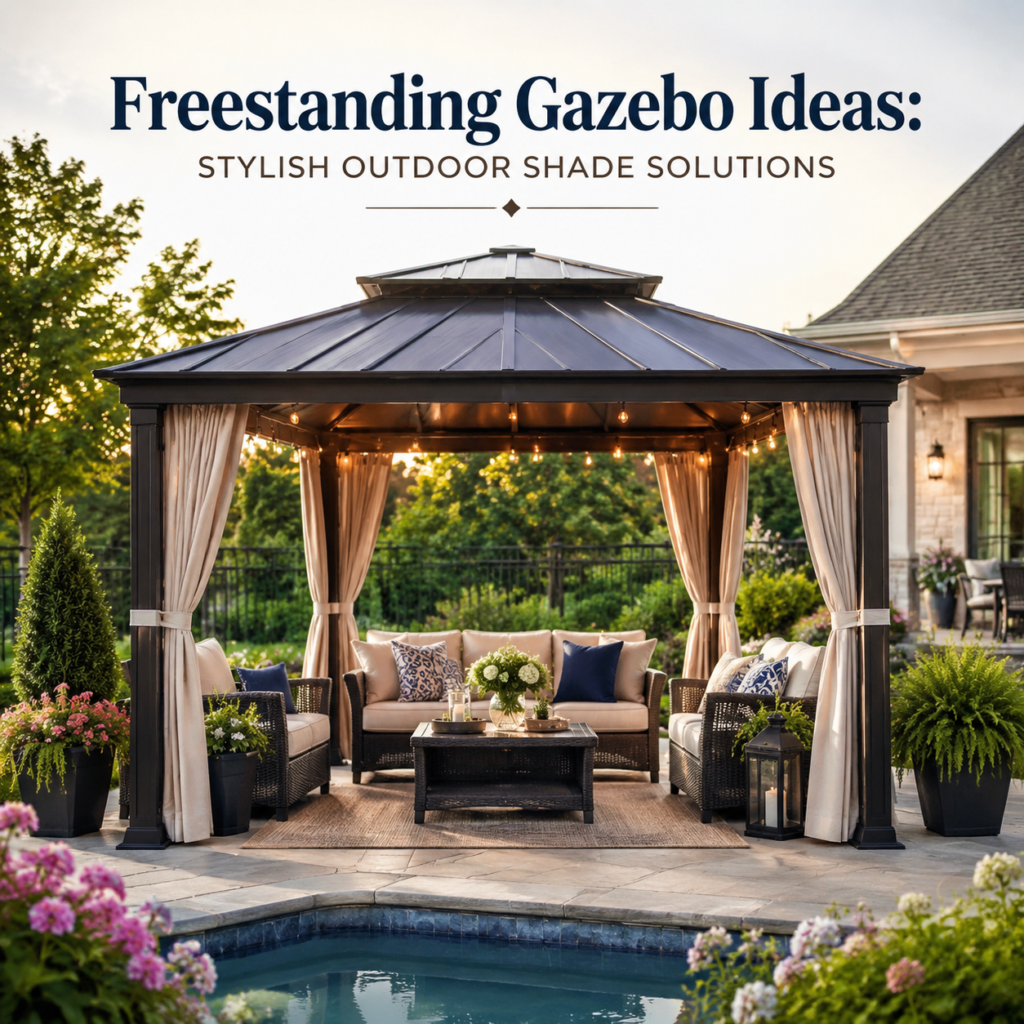
A freestanding gazebo is a roofed structure supported by posts and built independently from any wall or building. It can be open-sided for airflow and views, or partially enclosed with screens, curtains, or railings. Most are made from wood, metal, vinyl, or composite materials.
Because it stands on its own, a freestanding gazebo can be placed almost anywhere on a stable surface, including:
- Backyards
- Gardens
- Decks
- Patios
- Poolside areas
- Courtyards
Its main purpose is to provide a sheltered place for relaxing, entertaining, dining, or enjoying the outdoors with a bit more protection from sun and light rain. For homeowners comparing standalone gazebo ideas, this structure often stands out because it blends everyday function with visual appeal.
For design inspiration, you can also explore outdoor gazebo ideas for stylish backyard spaces.
Why Choose a Freestanding Gazebo?
People choose a freestanding gazebo for both practical and aesthetic reasons. It creates an attractive focal point while also making outdoor areas more functional. Among the many standalone gazebo ideas, this is one of the most versatile because it works in small yards and large landscapes alike.
Main benefits include:
- Flexibility in placement: You can position it in the most scenic or useful part of your yard.
- Defined outdoor space: It creates a separate zone for seating, dining, or gathering.
- Shade and comfort: The roof offers relief from direct sunlight.
- Visual appeal: A gazebo can enhance landscaping and boost curb appeal.
- Year-round versatility: With the right accessories, it can be used in multiple seasons.
For homeowners who want to improve their outdoor space without a major renovation, a freestanding gazebo is often a smart and attractive solution. It can also help organize open yards that feel unfinished, turning them into a place that looks intentional and welcoming.
Freestanding Gazebo vs. Attached Gazebo
A common question is how a freestanding gazebo differs from an attached gazebo. The answer is simple: a freestanding gazebo stands on its own, while an attached gazebo connects to a home, deck, or other structure.
Freestanding gazebo:
- Independent structure
- Can be placed anywhere on a level, stable base
- Offers greater layout flexibility
Attached gazebo:
- Connected to an existing building
- Usually placed against a house or patio
- Creates a more integrated transition between indoor and outdoor spaces
If you want maximum flexibility and a separate destination in your yard, a freestanding gazebo is usually the better choice. It gives you room to create a destination space without changing the home’s structure, which is why so many standalone gazebo ideas start with a freestanding layout.
Common Uses for a Freestanding Gazebo
A freestanding gazebo can serve many purposes depending on its size and design. It is more than just decoration; it can become one of the most useful parts of your property. These standalone gazebo ideas can help you think beyond a simple shade structure and turn the area into a true outdoor destination.
Popular uses include:
- Outdoor dining area: Perfect for family meals or entertaining guests
- Relaxation space: Add lounge chairs, a bench, or a swing
- Hot tub shelter: Provides privacy and weather protection
- Garden centerpiece: Creates a charming focal point in landscaping
- Event space: Useful for small celebrations, weddings, or gatherings
- Poolside retreat: Offers shade and a comfortable place to rest
Some homeowners even use a gazebo as an outdoor reading nook, meditation space, or work-from-home retreat during pleasant weather. In larger yards, a freestanding gazebo can also function as a quiet escape from the main house while still feeling connected to the landscape.
What Materials Are Best for a Freestanding Gazebo?
The best material depends on your budget, climate, and maintenance preferences.
Wood
Wood offers a classic, natural look that blends well with gardens and traditional homes. It is attractive and customizable, but it usually requires regular sealing or staining to protect it from weather and insects.
Metal
Metal gazebos, often made from aluminum or steel, are durable and low maintenance. They tend to suit modern or minimalist outdoor spaces and can handle wind well when properly anchored.
Vinyl
Vinyl is a popular low-maintenance option that resists rot and does not need painting. It is easy to clean, though it may have fewer design options than wood.
Composite
Composite materials combine durability with a more natural appearance. They are often chosen by homeowners who want long-lasting performance with less upkeep.
If your main goal is beauty, wood may be the best fit. If you want durability and easier maintenance, vinyl, metal, or composite may be better. The right choice depends on how you want the structure to age, how much time you want to spend caring for it, and how well it matches the rest of your outdoor design.
For weather-resistant planning, see best waterproof outdoor gazebos for all-weather protection. For general structure tips, the U.S. Consumer Product Safety Commission offers useful outdoor safety guidance at CPSC outdoor safety resources.
What Size Freestanding Gazebo Do You Need?
The right size depends on how you plan to use the space. A small gazebo can work well for two chairs and a table, while a larger one can accommodate dining sets, sectionals, or larger gatherings.
Size considerations:
- Small gazebos: Ideal for intimate seating or decorative use
- Medium gazebos: Good for family seating or a small dining set
- Large gazebos: Best for entertaining, hot tubs, or bigger furniture arrangements
Before buying, measure the area carefully and leave enough space around the gazebo for walking, landscaping, and maintenance access. Also consider the height of the structure if you want fans, lights, or hanging decor.
It helps to sketch the layout before you buy, especially if you are comparing different standalone gazebo ideas for a patio, lawn, or pool area. Think about how people will move around the structure, where the sun falls during the day, and whether nearby trees or fences will affect the view or airflow.
Do You Need a Foundation?
Yes, a freestanding gazebo should always be installed on a stable, level foundation. The right base helps prevent movement, water damage, and structural problems.
Common foundation options include:
- Concrete slab
- Pavers
- Decking
- Gravel base with proper framing
- Prebuilt platform
The foundation should match the gazebo’s weight and the conditions of your property. In areas with strong winds or heavy snow, anchoring and professional installation may be especially important. A solid base can also make a freestanding gazebo feel more finished, more permanent, and safer to use over time.
How to Maintain a Freestanding Gazebo
Maintenance depends on the material, but regular care helps extend the life of the structure.
Basic maintenance tips:
- Clean the roof and frame periodically
- Check for loose fasteners or damage
- Remove leaves, snow, and debris from the roof
- Re-stain or seal wood as needed
- Wash vinyl or metal surfaces with mild soap and water
- Inspect anchors and supports after severe weather
If your gazebo has fabric curtains, screens, or a canopy, follow the manufacturer’s care instructions to prevent mildew and wear. Routine care not only helps the structure last longer, but also keeps it looking like a polished part of the landscape rather than an afterthought.
After storms or seasonal changes, it is a good idea to inspect the base and hardware. Small issues are easier to fix early, and regular checks can help you avoid more expensive repairs later.
Do Freestanding Gazebos Add Value?
A freestanding gazebo can add value by improving the look and usability of your outdoor space. While it may not always increase resale value dollar-for-dollar, it can make a property more appealing to buyers who want a ready-made entertaining or relaxation area.
The value it adds often comes from:
- Better outdoor functionality
- Enhanced landscaping
- A more polished backyard design
- Additional shade and comfort
A well-built gazebo that matches the home’s style and is properly maintained is more likely to be seen as a strong selling feature. That is why many homeowners compare several standalone gazebo ideas before choosing a final style. When a gazebo looks intentional and fits the property, it can make the whole yard feel more complete.
What to Consider Before Buying One
Before choosing a freestanding gazebo, think about how it will be used and where it will go. This helps ensure you select the right design the first time.
Important factors:
- Available space
- Climate and weather exposure
- Material durability
- Roof style
- Maintenance level
- Budget
- Installation requirements
- Local building codes or permits
If the gazebo will be exposed to heavy wind, rain, or snow, choose a model built for your region’s conditions. In some areas, permits or HOA approval may be required.
You should also think about how the gazebo will be furnished. A simple bench setup needs less room than a full dining arrangement, and a hot tub enclosure requires more clearance, privacy, and ventilation. Matching the structure to your actual use is one of the most important parts of choosing among different standalone gazebo ideas.
Freestanding Gazebo Design Ideas and Layout Tips
Once the basics are decided, the fun part begins: shaping the space so it feels like a natural part of your yard. A freestanding gazebo can be styled in many ways, from classic garden retreat to modern outdoor lounge. The best design is the one that matches how you live and how much maintenance you want to take on.
Layout ideas that work well:
- Center-of-garden placement: Use the gazebo as a focal point surrounded by flowers, shrubs, or stepping stones.
- Poolside layout: Place it close enough for convenience, but far enough to keep the area comfortable and uncluttered.
- Patio extension: Position the structure just beyond the main patio so it feels like a separate lounge zone.
- Quiet corner retreat: Tuck it into a more secluded part of the yard for reading, meditation, or conversation.
- Dining pavilion: Add an outdoor table and lighting for meals that feel more special than eating on the open deck.
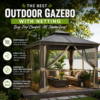
Small details can make a big difference. Consider string lights, planters, a ceiling fan, or weather-resistant cushions to help the area feel inviting. Curtains or screens can add privacy and make the structure more comfortable during buggy evenings. If you want a more enclosed experience, you can also compare options like outdoor gazebo with netting for extra bug protection.
Landscaping around the base matters too. A border of gravel, mulch, pavers, or low plants can help the structure feel anchored in the yard instead of sitting in an empty patch of grass. That visual framing is often what transforms a simple shelter into one of the most appealing standalone gazebo ideas.
Is a Freestanding Gazebo Right for You?
A freestanding gazebo is a strong choice if you want a separate outdoor space that feels inviting, useful, and visually appealing. It works well for homeowners who value flexibility, since it can be placed in different parts of the yard and adapted for many uses.
It may be right for you if you want:
- A shaded place to relax
- A backyard feature with style
- A space for dining or entertaining
- A structure that stands apart from the home
- A practical upgrade without a full remodel
For additional planning ideas, browse more freestanding gazebo ideas for stylish outdoor spaces to see how different layouts can work in real yards. For many homeowners, the biggest advantage is simple: it turns unused outdoor space into a destination. If you want inspiration before you buy, the best standalone gazebo ideas are the ones that balance appearance, comfort, and long-term use.
Conclusion
A freestanding gazebo is a standalone outdoor structure that adds shade, charm, and function to a yard or garden. It offers flexibility in placement, works for many different uses, and can be built from several materials to fit your style and maintenance preferences. Whether you want a quiet retreat, an entertainment area, or a decorative focal point, a freestanding gazebo is a versatile way to upgrade your outdoor living space. If you are gathering standalone gazebo ideas, this type of structure is one of the most practical and attractive options to consider. With the right size, foundation, and layout, a freestanding gazebo can become a long-lasting feature that makes your outdoor area more enjoyable every day.


Add comment