
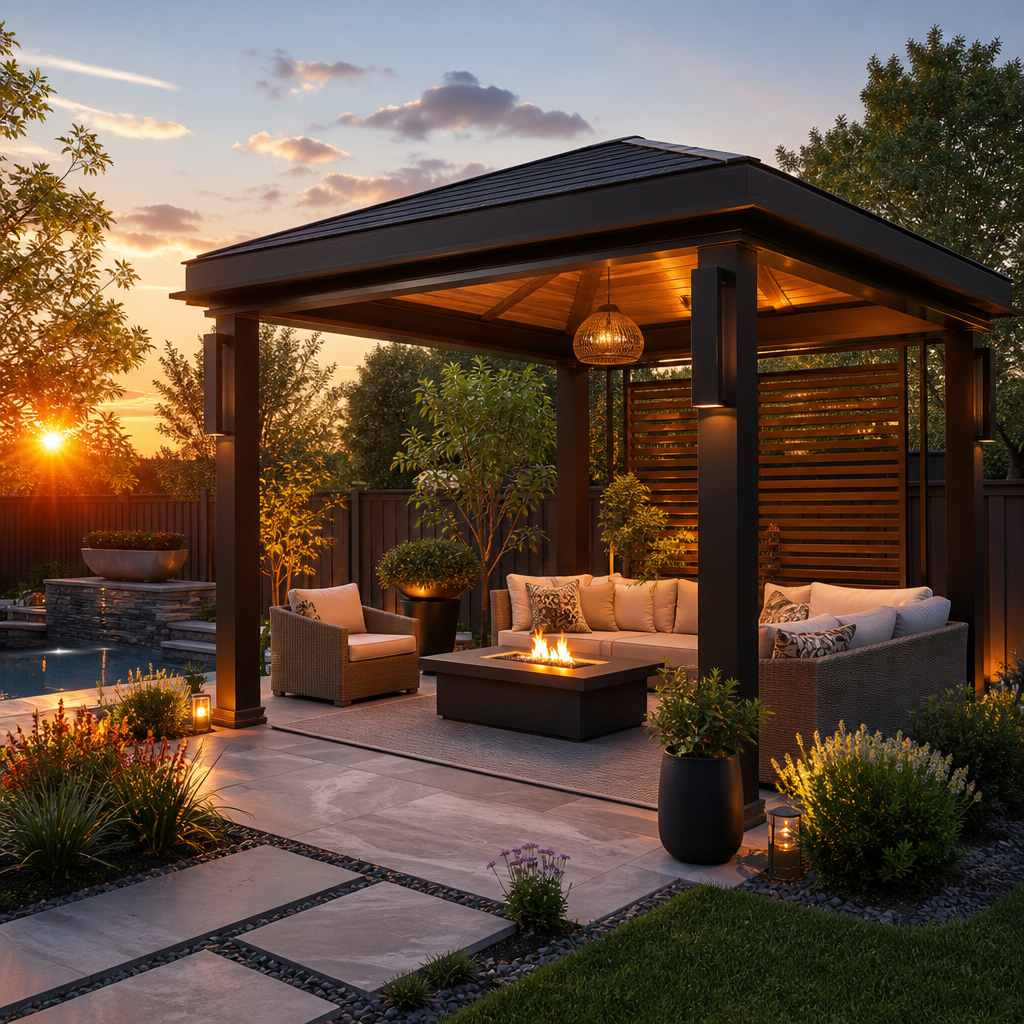
Freestanding Gazebo: A Complete Guide to Style, Function, and Outdoor Living
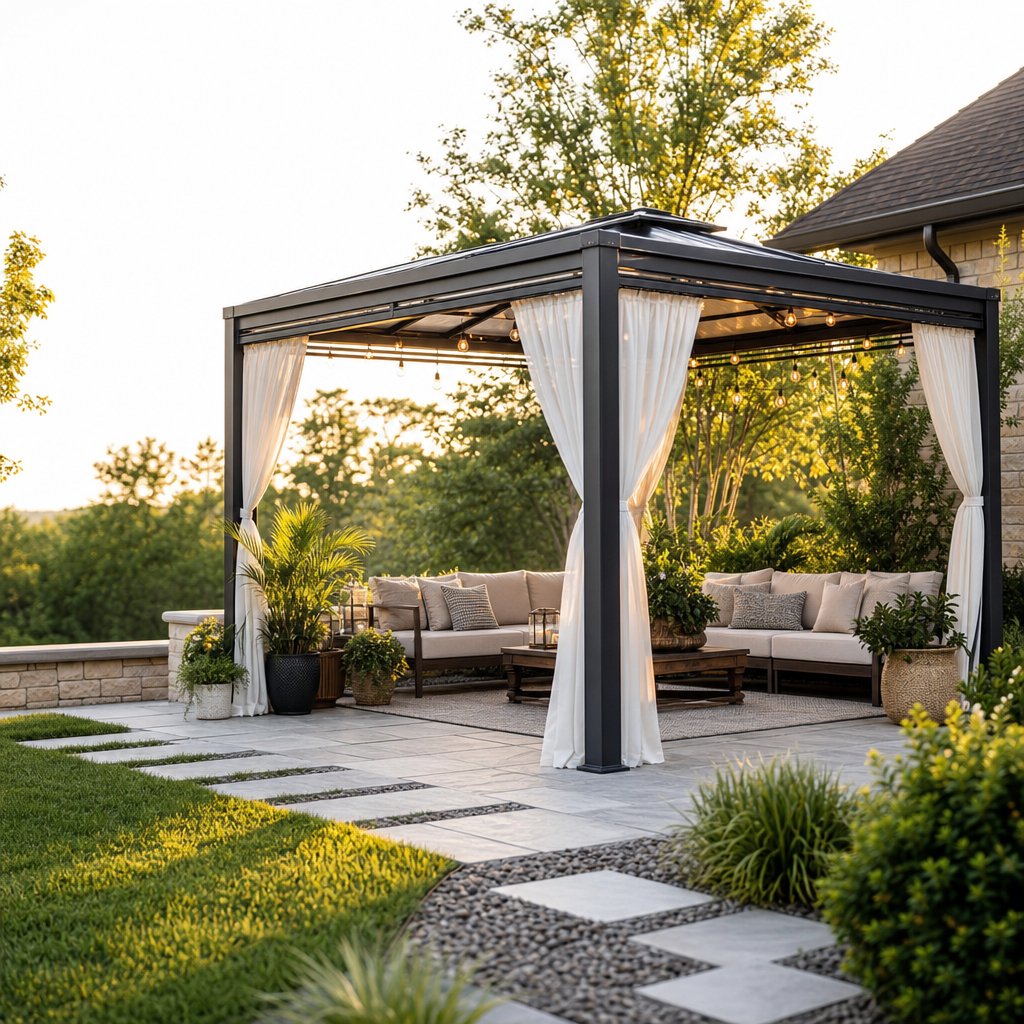
A freestanding gazebo is one of the most versatile and attractive additions you can make to an outdoor space. Whether placed in a garden, backyard, patio area, or near a pool, it creates a defined spot for relaxation, entertaining, or simply enjoying the outdoors in comfort. Unlike attached structures, a freestanding gazebo stands on its own, giving you more flexibility in placement and design.
For homeowners looking to upgrade their outdoor lifestyle, a freestanding gazebo can serve many purposes. It can become a peaceful reading nook, a shaded dining area, a sheltered place for guests, or a beautiful centerpiece that adds architectural interest to the landscape. With so many materials, styles, and sizes available, it’s possible to find a gazebo that fits both your needs and your property.
This guide explores everything you need to know about freestanding gazebos, including their benefits, design options, material choices, placement tips, and maintenance considerations.
What Is a Freestanding Gazebo?
A freestanding gazebo is an outdoor structure that is built independently from a house or other building. It is not attached to a wall, deck, or roofline. Instead, it stands on its own foundation, which can be placed almost anywhere outdoors as long as the site is level and properly prepared.
Gazebos are often recognized by their open sides, roofed top, and decorative appearance. Some feature railings, built-in seating, screens, or curtains, while others are minimal and modern. A freestanding gazebo can be round, square, rectangular, octagonal, or even custom-shaped depending on the design.
Because it is independent, this type of structure offers more placement freedom than an attached pergola or patio cover. It can be installed in the middle of a garden, beside a pond, at the edge of a lawn, or in a quiet corner of the yard.
Why Choose a Freestanding Gazebo?
A freestanding gazebo is more than just a decorative structure. It offers practical advantages that make outdoor living more enjoyable throughout the year.
1. Flexible Placement
Since it is not tied to a house or deck, a freestanding gazebo can be placed wherever it makes the most sense. You might want it near a pool, tucked into a garden, or positioned to capture a scenic view.
2. Defined Outdoor Space
A gazebo creates a distinct outdoor room without the need for walls. It can help organize a large backyard into separate zones, such as dining, lounging, or entertaining areas.
3. Shade and Shelter
A roofed gazebo provides protection from direct sun and light rain. This makes outdoor gatherings more comfortable and extends the use of your backyard during warmer months or changing weather conditions.
4. Visual Appeal
Gazebos add charm and elegance to a property. A well-designed structure can become a focal point in the landscape and increase the overall attractiveness of your outdoor space.
5. Multipurpose Use
A freestanding gazebo can be used in many ways:
- Outdoor dining area
- Quiet meditation space
- Hot tub enclosure
- Garden retreat
- Entertainment area
- Wedding or event feature
- Poolside shade structure
Popular Styles of Freestanding Gazebos
Gazebos come in a variety of styles, allowing you to match the structure to your home, garden, and personal taste.
Traditional Gazebos
Traditional gazebos often have a classic look with ornamental details, wood construction, and a pitched roof. They may be octagonal or hexagonal and are commonly seen in formal gardens or traditional landscapes.
Modern Gazebos
Modern designs emphasize clean lines, simple forms, and minimal decorative features. These gazebos are often square or rectangular and may use metal, composite, or sleek wood finishes.
Rustic Gazebos
Rustic gazebos are ideal for natural settings. They usually feature wood beams, earthy tones, and a more organic appearance. These styles work well in wooded areas, cottage gardens, or countryside properties.
Pavilion-Style Gazebos
A pavilion-style gazebo typically has a larger footprint and a more open layout. It is designed for entertaining and often includes a substantial roof supported by strong posts. This style is excellent for outdoor dining or social events.
Screened Gazebos
Screened gazebos include mesh panels or screened walls to keep insects out while still allowing air circulation. They are especially useful in areas with mosquitoes or other pests.
Pop-Up and Portable Gazebos
While not permanent in the same sense as a built structure, portable freestanding gazebos are practical for temporary shade or occasional events. These are often made from lightweight metal frames and fabric roofs.
Best Materials for a Freestanding Gazebo
The material you choose will affect the gazebo’s appearance, durability, upkeep, and cost. Each option has its own strengths.
Wood
Wood is a classic choice for freestanding gazebos because it offers warmth, natural beauty, and design flexibility. Cedar, redwood, pine, and pressure-treated lumber are common options.
Advantages:
- Attractive and timeless
- Can be painted or stained
- Works well in traditional landscapes
Considerations:
- Requires regular maintenance
- May be vulnerable to moisture, insects, and rot if not properly treated
Metal
Metal gazebos, often made from aluminum or steel, provide strength and a modern appearance. They are frequently used in both residential and commercial settings.
Advantages:
- Durable and weather-resistant
- Low maintenance
- Often more affordable than wood
Considerations:
- May heat up in direct sun
- Some designs can appear less natural in garden settings
Vinyl
Vinyl gazebos are popular for homeowners who want a clean appearance with minimal upkeep. They resist moisture and do not need painting.
Advantages:
- Low maintenance
- Resistant to rot and insects
- Clean, bright appearance
Considerations:
- Limited in style compared to wood
- Can look less natural in some landscapes
Composite
Composite materials combine wood fibers and synthetic components to create a strong, durable structure. They are often chosen for their balance of appearance and low maintenance.
Advantages:
- Resists weathering and decay
- Requires less upkeep than wood
- Available in a range of colors and finishes
Considerations:
- Higher upfront cost
- May have fewer customization options
Fabric and Soft-Top Structures
For temporary or seasonal use, fabric-top gazebos offer an affordable and lightweight option. These are often used for events or as movable shade structures.
Advantages:
- Easy to set up
- Budget-friendly
- Portable
Considerations:
- Less durable
- Not ideal for permanent installation in harsh weather
How to Choose the Right Size
Choosing the right size is essential for comfort and functionality. A gazebo that is too small may feel cramped, while one that is too large may overwhelm the space.
Consider the Intended Use
Before selecting a size, think about how you will use the gazebo:
- A small gazebo may be enough for two lounge chairs and a side table
- A medium structure may suit a dining set for four to six people
- A larger pavilion-style gazebo may be needed for parties, hot tubs, or multiple seating areas
Measure the Available Space
Take accurate measurements of your yard or intended location. Leave enough room around the gazebo for walkways, landscaping, and access. A gazebo should feel integrated into the space rather than crowded.
Think About Clearance
You should also consider vertical clearance, especially if you plan to add fans, hanging lights, curtains, or climbing plants. Make sure the roof height and post arrangement fit your needs.
Where to Place a Freestanding Gazebo
Placement can make a huge difference in how useful and enjoyable the structure becomes.
In the Garden
A gazebo placed within a garden creates a serene retreat and can serve as a focal point among flowers, shrubs, and trees. This is a great choice for relaxation and visual appeal.
Near the Pool
Poolside gazebos offer shade for swimmers and a comfortable place to rest between swims. They are also ideal for storing towels, drinks, or lounge furniture.
On a Patio or Lawn
Placing a gazebo on a patio or open lawn creates a defined gathering space. This is a practical choice for dining, entertaining, or casual outdoor seating.
Overlooking a View
If your property has scenic features such as a pond, hillside, or wooded area, a gazebo can be positioned to maximize the view. This makes the structure feel like a destination within your landscape.
In a Quiet Corner
A gazebo tucked into a quiet part of the yard can become a private retreat for reading, meditation, or morning coffee. With the right landscaping, it can feel like a hidden escape.
Design Features That Add Value
Many freestanding gazebos can be customized with features that improve comfort and usability.
Built-In Seating
Benches built into the interior perimeter of the gazebo save space and create a welcoming layout. They are especially useful in smaller structures.
Lighting
Outdoor-rated lights can extend the use of your gazebo into the evening. Popular options include:
- String lights
- Lanterns
- Recessed roof lighting
- Solar-powered fixtures
Curtains and Drapes
Curtains add privacy, shade, and style. They can also soften the structure’s appearance and make it feel more like an outdoor room.
Screens
Screen panels help keep bugs out while still allowing airflow. This is a practical upgrade in areas with heavy insect activity.
Ceiling Fans
If electricity is available, a ceiling fan can improve comfort during hot weather by increasing air circulation.
Flooring
Some gazebos sit on grass or pavers, while others have a built-in floor or raised deck. Flooring choices affect durability, comfort, and overall appearance.
Freestanding Gazebo vs. Pergola vs. Pavilion
These structures are sometimes confused because they all enhance outdoor living, but they serve different purposes.
Freestanding Gazebo
A freestanding gazebo usually has a solid roof and open sides. It provides more weather protection than a pergola and often has a more decorative appearance.
Pergola
A pergola typically has an open or partially covered roof made of slats or beams. It offers filtered shade but less protection from rain.
Pavilion
A pavilion is often larger and more open than a gazebo, with a substantial roof and simple supporting posts. It is usually designed for gatherings and larger outdoor functions.




Add comment