
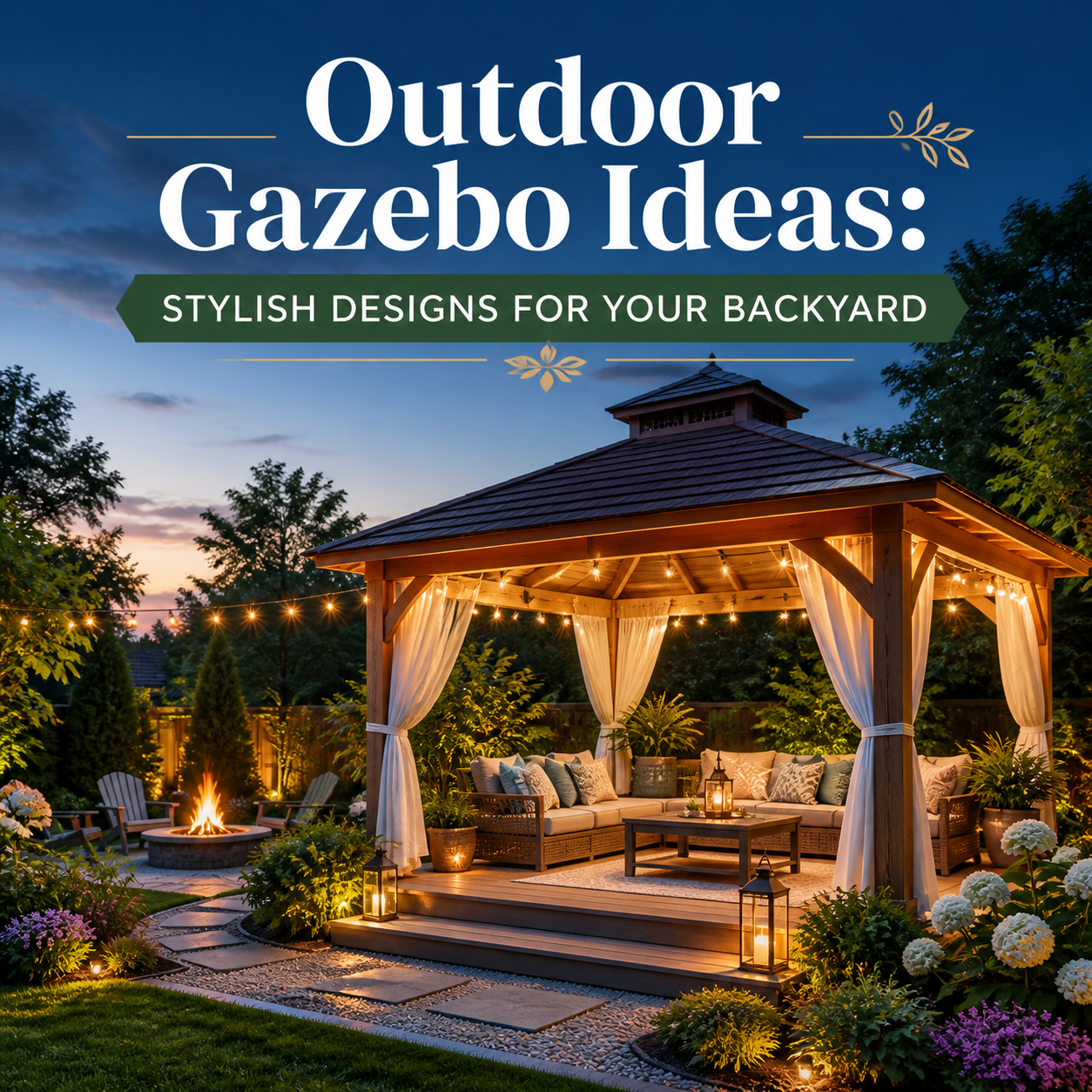
Outdoor Gazebo: A Complete Guide to Choosing, Styling, and Enjoying Your Backyard Retreat
An outdoor gazebo can transform an ordinary yard into a welcoming, functional, and visually striking space. Whether you want a shaded place to relax, a stylish setting for gatherings, or a peaceful escape for reading and reflection, a gazebo adds both charm and purpose to your outdoor area. It can serve as a focal point in the landscape, a shelter from sun and light rain, and a flexible structure that enhances the way you use your backyard.
In this guide, we’ll explore what makes an outdoor gazebo so appealing, the different styles available, how to choose the right one for your space, and the best ways to furnish and maintain it. If you’re considering adding a gazebo to your property, this article will help you make a thoughtful, practical decision.
What Is an Outdoor Gazebo?
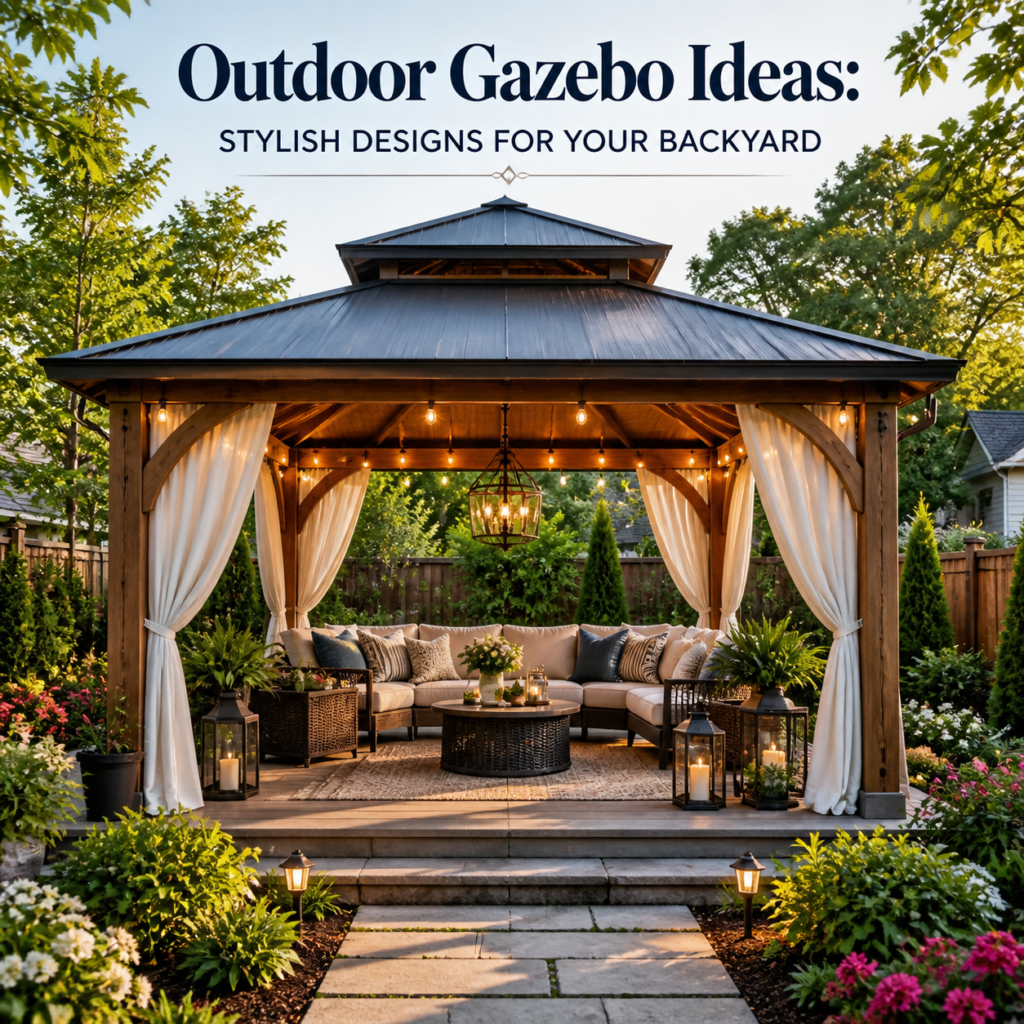
An outdoor gazebo is a freestanding structure, typically with a roof and open sides, designed for outdoor enjoyment and shelter. Traditional gazebos are often circular or octagonal, but modern designs come in many shapes, including square and rectangular forms. Some are built with permanent roofing and sturdy materials, while others are lightweight and portable.
What makes a gazebo especially appealing is its versatility. It can function as:
- A shaded seating area
- A dining space
- A hot tub enclosure
- A garden centerpiece
- A place for entertaining guests
- A quiet retreat for personal relaxation
Unlike a simple patio umbrella or pergola, a gazebo offers a more defined space and a greater sense of enclosure. This makes it ideal for homeowners who want a dedicated outdoor room without constructing a full addition to the house.
Why Choose an Outdoor Gazebo?
An outdoor gazebo offers both practical and aesthetic benefits. Many homeowners choose one because it improves the look of the yard while also making the space more usable throughout the year.
Added Comfort and Shade
One of the biggest advantages of an outdoor gazebo is the protection it provides from direct sunlight. During hot summer months, a shaded area can make all the difference when you want to sit outside comfortably. Some gazebos also offer shelter from light rain, allowing you to enjoy your backyard in more conditions than an uncovered patio would allow.
A More Defined Outdoor Space
If your yard feels too open or disconnected, a gazebo can create a sense of structure. It visually anchors the landscape and gives purpose to a particular corner of the yard. This is especially helpful in larger gardens or properties where outdoor areas need to be organized into zones.
Great for Social Gatherings
An outdoor gazebo is an excellent place for hosting family get-togethers, birthday celebrations, barbecues, or evening drinks with friends. Because it creates a comfortable, semi-private space, it encourages people to gather and stay longer.
Enhances Property Appeal
A well-designed gazebo can boost curb appeal and make your home look more inviting. It adds architectural interest and gives the impression of a thoughtfully landscaped property. For homeowners thinking about resale value, an attractive outdoor gazebo can be a worthwhile investment.
Year-Round Enjoyment
Depending on your climate and the materials used, an outdoor gazebo can be enjoyed in multiple seasons. With accessories like curtains, screens, heaters, or lighting, it can become a cozy spot not only in summer but also during cooler evenings and transitional months.
Popular Types of Outdoor Gazebos
Choosing the right gazebo starts with understanding the different types available. Each style offers its own advantages depending on your yard size, design preferences, and intended use.
Traditional Wooden Gazebo
Wooden gazebos are timeless and blend beautifully with gardens, lawns, and natural surroundings. They have a classic look that works well in both rustic and elegant settings. Wood can be stained or painted to match your home, and it provides a warm, natural aesthetic.
Best for:
- Traditional gardens
- Larger yards
- Homeowners who want a custom, permanent structure
Metal Gazebo
Metal gazebos, often made of aluminum or steel, are durable and low-maintenance. They typically offer a clean, modern appearance and can withstand various weather conditions when properly treated. Some designs include decorative elements such as scrollwork or lattice panels.
Best for:
- Contemporary landscapes
- Low-maintenance needs
- Regions with varying weather
Vinyl Gazebo
Vinyl gazebos offer a balance between style and convenience. They resist rot, insects, and weather damage better than some wood structures, making them easy to care for. Their appearance is usually crisp and clean, though they may not have the same natural warmth as wood.
Best for:
- Homeowners seeking easy maintenance
- Families wanting a long-lasting structure
- Bright, neat backyard designs
Pop-Up or Portable Gazebo
Portable gazebos are lightweight and designed for flexibility. They are often used for temporary shade at parties, markets, camping trips, or seasonal backyard use. While they don’t have the permanence of built structures, they are affordable and convenient.
Best for:
- Temporary shade
- Events and outdoor gatherings
- Budget-conscious buyers
Hardtop Gazebo
A hardtop gazebo features a solid roof made from materials such as metal, polycarbonate, or wood. These are often the most durable and weather-resistant options. They can stand up to sun, rain, and even snow better than soft-top models.
Best for:
- Long-term outdoor use
- Areas with harsher weather
- Homeowners wanting maximum durability
How to Choose the Right Outdoor Gazebo
Selecting the right outdoor gazebo involves more than picking a design you like. You’ll want to consider the size of your yard, the climate where you live, how often you’ll use the structure, and your overall budget.
Consider the Size of Your Space
The gazebo should fit comfortably within your yard without overwhelming it. A structure that is too large may crowd the landscape, while one that is too small may feel insignificant or impractical.
Before purchasing, measure the area carefully and think about how much space you’ll need around the gazebo for walking, furniture, and landscaping.
A good rule of thumb: leave enough room for access on all sides and think about how the gazebo will look from different points in your yard and home.
Think About Your Main Purpose
Ask yourself how you intend to use the gazebo:
- For dining? Choose a model with enough interior room for a table and chairs.
- For lounging? Look for space for sofas, benches, or lounge chairs.
- For a hot tub? Make sure the design supports privacy and ventilation.
- For entertaining? Consider a larger footprint and durable flooring.
Knowing your primary use will help narrow down the best shape, material, and size.
Match the Style of Your Home
Your outdoor gazebo should feel like a natural extension of your home rather than an afterthought. A rustic wooden gazebo may suit a farmhouse or cottage-style property, while a sleek metal structure may complement a modern home. Color, roofing, and trim details all matter when creating a cohesive look.
Account for Weather Conditions
Weather plays a major role in choosing the right gazebo. If you live in a sunny area, focus on UV-resistant materials and good roof coverage. If rain is common, drainage and roof quality become important. In windy or snowy climates, a sturdier hardtop gazebo is often the best choice.
Set a Realistic Budget
Gazebo prices can vary widely. Portable models are relatively affordable, while custom-built permanent structures can represent a significant investment. Don’t forget to account for installation, site preparation, lighting, furniture, and accessories.
When budgeting, consider not just the purchase price but also long-term maintenance costs.
Best Placement Ideas for an Outdoor Gazebo
Where you place your gazebo can dramatically affect how you use and enjoy it. The ideal location depends on your yard layout, sunlight patterns, privacy needs, and the view you want to create.
In a Garden Setting
Placing a gazebo within a garden creates a romantic and peaceful atmosphere. Surrounded by flowers, shrubs, and pathways, it becomes a destination within the landscape. This is a popular choice for those who want a quiet retreat or a beautiful spot for tea and reading.
Near the Patio or Deck
If you want seamless flow from the home to the gazebo, positioning it near the patio or deck makes sense. This creates an easy transition for entertaining and dining. It’s a practical option for homeowners who want to use the gazebo frequently.
Beside a Pool
An outdoor gazebo near a pool can provide shade and a place to dry off, relax, or store towels and refreshments. It adds a resort-like feel to the backyard and can be especially useful for families and frequent swimmers.
In a Quiet Corner of the Yard
A secluded corner can make the gazebo feel more private and retreat-like. If your goal is relaxation or meditation, this placement can be ideal. Add landscaping such as tall grasses, hedges, or climbing plants to create extra enclosure.
Centered as a Landscape Focal Point
In larger properties, a gazebo can be placed as the centerpiece of the landscape. This works especially well when connected by pathways and surrounded by symmetrical plantings. It creates a formal, elegant appearance.
Furnishing and Decorating Your Outdoor Gazebo
Once your gazebo is installed, the next step is to make it comfortable and inviting. Furniture, textiles, lighting, and décor all help define the mood.
Choose Comfortable Seating
The seating you choose should match the gazebo’s purpose. Popular options include:
- Outdoor sofas and sectionals for lounging
- Bistro sets for smaller spaces
- Dining tables and chairs for meals
- Benches for a classic look
- Swivel chairs or cushioned loungers for flexibility
For comfort, look for weather-resistant cushions and fabrics that can stand up to sun and moisture.
Add Outdoor Rugs
An outdoor rug helps visually anchor the furniture and makes the gazebo feel like an outdoor room. It also adds warmth and texture underfoot. Choose a rug made for exterior conditions so it can handle moisture and dirt.
Use Curtains or Screens
Curtains can add privacy, soften the structure’s appearance, and create a more intimate atmosphere. They also help block sun and light wind. Mosquito netting or insect screens are especially useful in warmer climates where bugs may be a concern.
Incorporate Lighting
Good lighting extends the use of your outdoor gazebo into the evening. Consider:
- String lights for a soft, festive atmosphere
- Lanterns for a cozy glow
- Solar lights for energy efficiency
- Wall sconces or overhead fixtures for stronger illumination
Lighting should be both functional and decorative, depending on how you plan to use the space.
Bring in Plants and Natural Elements
Plants help the gazebo blend into the landscape. Potted flowers, hanging baskets, and climbing vines can make the area feel lush and inviting. You might also include natural materials like wicker, bamboo, or wood accents to enhance the outdoor feel.
Creative Ways to Use an Outdoor Gazebo
One of the best things about a gazebo is how adaptable it can be. Beyond the obvious uses, there are many creative ways to make the space part of your daily life.
Outdoor Dining Room
Set up a dining table and chairs for meals outdoors. This is ideal for weekend brunches, summer dinners, and special occasions. Add string lights and a centerpiece, and it becomes an elegant al fresco dining area.
Relaxation Lounge
Turn the gazebo into a calming retreat with plush seating, pillows, and a small side table. It can become your go-to spot for morning coffee, afternoon reading, or quiet conversation.
Entertainment Space
With the right setup, a gazebo can host parties, game nights, or movie screenings. A small speaker system, soft lighting, and extra seating can help create a comfortable social hub.
Hobby or Meditation Space
If you enjoy painting, journaling, yoga, or meditation, an outdoor gazebo offers a peaceful environment away from indoor distractions. Add minimal décor and focus on comfort and calm.
Seasonal Decorating Area
Decorate the gazebo for holidays or special seasons. In spring, use floral arrangements and pastel fabrics. In autumn, add warm tones, lanterns, and pumpkins. During winter, use evergreens and cozy blankets if your climate allows outdoor use.
Maintenance Tips for Long-Lasting Use
To keep your outdoor gazebo looking great and functioning well, regular maintenance is essential. The exact care needed depends on the material, but a few general habits go a long way.
Clean It Regularly
Remove leaves, dirt, and debris from the roof, floor, and corners. For fabric covers or soft tops, follow the manufacturer’s cleaning instructions. Regular cleaning helps prevent mold, staining, and wear.
Inspect for Damage
Check for loose screws, rust, cracks, or signs of water damage. Catching small issues early can prevent more expensive repairs later. Pay special attention after severe weather.
Protect Wood Surfaces
If your gazebo is made of wood, reseal or repaint it as needed to protect against moisture, sun, and insects. Staining can also refresh the appearance while preserving the natural grain.
Store Accessories Properly
Cushions, curtains, and decorative items should be stored when not in use, especially during harsh weather. Use weatherproof storage bins or bring them indoors to extend their lifespan.
Clear Snow and Heavy Debris
In winter or during storms, make sure your gazebo roof does not accumulate excessive snow or branches. Heavy buildup can strain the structure and cause damage. Follow the manufacturer’s guidance for load limits and seasonal care.
Common Mistakes to Avoid
When planning an outdoor gazebo, some common mistakes can reduce its usefulness or longevity. Avoiding these issues can save time and money.
- Choosing the wrong size for the space
- Ignoring local weather conditions
- Skipping site preparation
- Overlooking maintenance requirements
- Forgetting about drainage
- Buying furniture that is too large or too delicate
- Placing the gazebo in a poorly chosen location with too much wind or too little privacy
Thoughtful planning upfront makes the final result far more satisfying.
Is an Outdoor Gazebo Worth It?
For many homeowners, the answer is yes. An outdoor gazebo can add beauty, function, and enjoyment to a backyard in a way few other structures can. It creates a dedicated place for relaxing, hosting, and connecting with the outdoors. Whether you choose a simple portable model or a permanent architectural feature, a gazebo can significantly improve how your yard feels and how often you use it.
The key is choosing a style and size that fits your lifestyle, climate, and property. With the right design and a little care, your gazebo can become one of the most beloved parts of your home.
Conclusion
An outdoor gazebo is more than just a decorative structure—it’s a versatile outdoor living space that can enhance comfort, style, and usability in your backyard. From classic wooden designs to modern hardtop models, there are options to suit nearly every home and budget. By considering size, purpose, placement, and maintenance needs, you can choose a gazebo that fits seamlessly into your landscape and lifestyle.
With thoughtful furnishing and regular care, your gazebo can become a welcoming retreat for quiet mornings, lively gatherings, and everything in between.




Add comment