
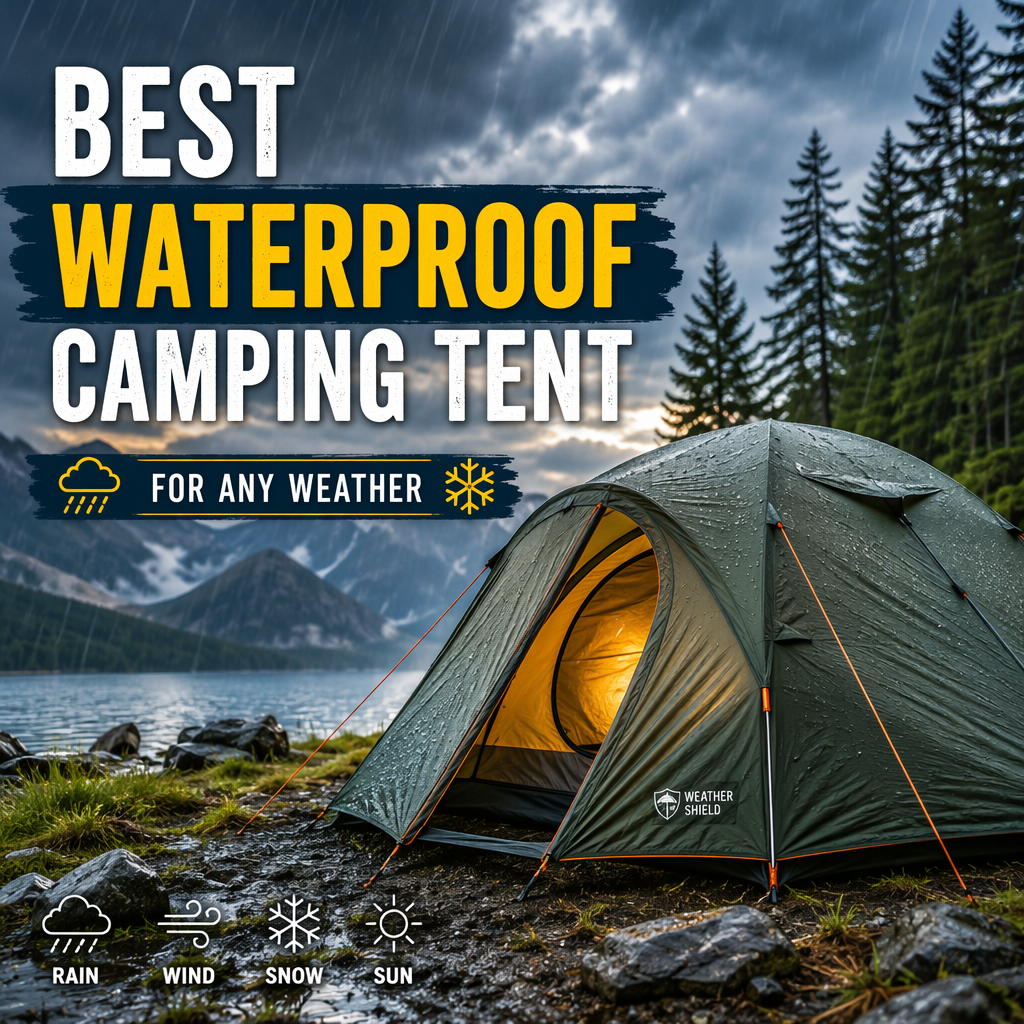
Choosing a waterproof camping tent can be the difference between a comfortable, dry night and a frustrating tent interior full of moisture. Rain, wind, and damp ground all put pressure on a shelter’s materials and design—so you need more than a generic “waterproof” claim to stay protected.
This guide explains what makes the best rainproof tents work, how to choose based on weather and camping style, how to set up correctly in wet conditions, and what to do if a tent seems to be leaking.
- What Is a Waterproof Tent?
- How Waterproof Is a Camping Tent?
- What Makes the Best Waterproof Camping Tent?
- Waterproof Versus Water-Resistant Tents
- How to Choose the Right Waterproof Tent
- How to Set Up a Waterproof Tent in the Rain
- Can a Waterproof Tent Leak?
- How to Waterproof a Tent
- How to Store a Waterproof Camping Tent
- Common Questions About Waterproof Tents
- Final Buying Checklist
What Is a Waterproof Tent?
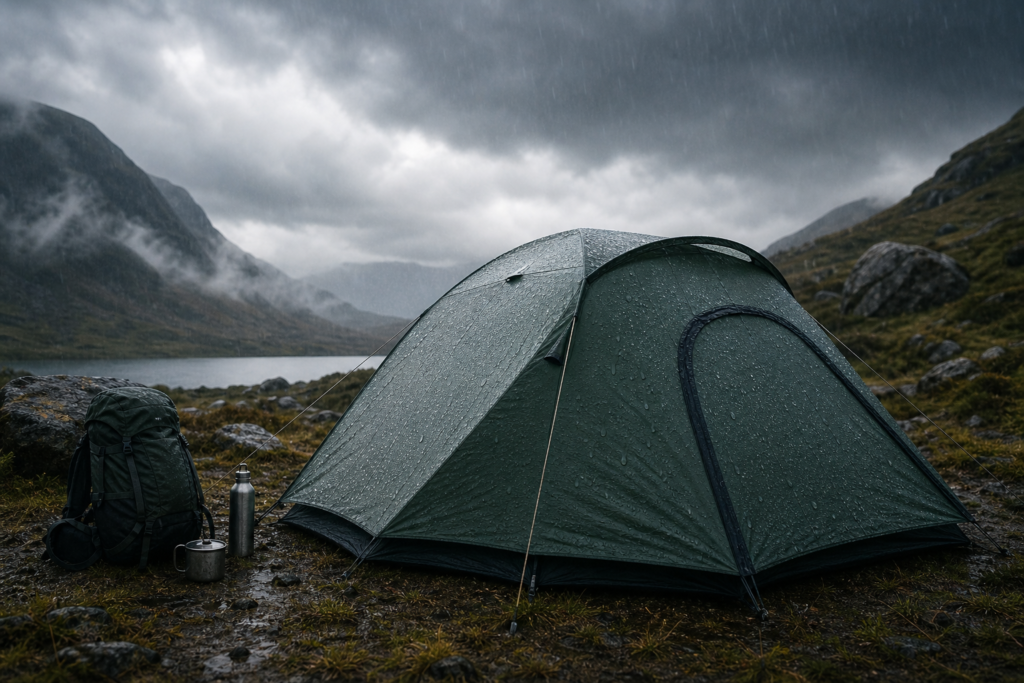
A waterproof tent uses water-resistant or waterproof materials and construction methods to prevent rain from entering. Common features include:
- A waterproof rainfly that covers the tent body
- Taped or sealed seams
- A bathtub-style floor with raised edges
- Water-resistant zippers and closures
- Durable poles and sturdy attachment points
- Proper ventilation to reduce interior condensation
No tent can guarantee complete protection in every storm, especially if it is poorly pitched or exposed to flooding. However, a well-designed waterproof camping tent can provide excellent protection during heavy rain when it is correctly set up and maintained.
How Waterproof Is a Camping Tent?
Tent waterproofing is commonly measured through hydrostatic head ratings. This rating indicates how much water pressure a fabric can withstand before moisture begins to pass through it. It is usually measured in millimeters, such as 1,500 mm or 3,000 mm.
A higher hydrostatic head rating generally means stronger resistance to water pressure, but the rating is not the only factor that matters. Seam construction, fabric quality, tent design, and pitching technique are equally important.
As a general guide:
- Around 1,200–1,500 mm: Suitable for light to moderate rain
- Around 2,000–3,000 mm: Suitable for frequent rain and typical three-season camping
- Above 3,000 mm: Better for prolonged storms and demanding conditions
- 5,000 mm or more: Often found in expedition or heavy-duty shelters
The floor usually has a higher waterproof rating than the tent walls because it must resist pressure from knees, sleeping bags, and other equipment.
What Makes the Best Waterproof Camping Tent?
1. A Full-Coverage Rainfly
The rainfly is the primary barrier against rain. A full-coverage rainfly extends over the tent body and often reaches close to the ground. This design provides better protection than a partial rainfly, especially during wind-driven rain.
Look for a rainfly that:
- Covers the entire sleeping area
- Includes secure attachment points
- Can be tensioned tightly
- Leaves enough space for airflow
- Protects doors and windows from runoff
A rainfly should not rest directly against the inner tent because contact can allow water to transfer through the fabric.
2. Sealed Seams
Water can enter through needle holes even when the fabric itself is waterproof. Seam sealing prevents this problem by covering or treating the stitching lines.
The most reliable waterproof camping tent models usually have factory-taped seams. Some budget tents may require manual seam sealing, which involves applying a waterproof sealant to vulnerable stitching.
Check the seams around:
- The floor and tent walls
- Doors and windows
- Rainfly attachment points
- Pole sleeves
- Guyline anchors
3. A Bathtub-Style Floor
A bathtub floor uses waterproof fabric that rises several inches above the ground before connecting to the tent walls. This prevents rainwater from flowing directly across the ground and into the tent.
A strong tent floor should also be:
- Thick enough to resist punctures
- Seam-sealed or welded
- Large enough to protect the sleeping area
- Compatible with a footprint or groundsheet
Always place the tent on suitable ground. Even a highly water-resistant floor can fail if it sits on sharp rocks, sticks, or standing water.
If you want deeper guidance on rain protection habits, review water resistant tent: 7 best waterproof tips for practical waterproofing steps that complement a quality shelter.
4. Durable, Waterproof Fabric
Tent materials vary by weight, strength, price, and waterproof performance. Common materials include polyester, nylon, and canvas.
Polyester is popular because it absorbs little water and does not stretch as much when wet. Nylon is lightweight and strong, but it can absorb moisture and may require a more secure pitch in rainy weather. Canvas is durable and breathable, but it is heavier and must be completely dried before storage.
For most recreational campers, a high-quality polyester or treated nylon shell works well in a waterproof camping tent build.
5. Reliable Poles and Anchors
A waterproof shelter must remain stable in wind. Strong poles, reinforced pole sleeves, durable clips, stakes, and guylines help keep the rainfly properly tensioned.
Even a well-designed waterproof camping tent can collect water or allow leaks if the rainfly sags. A stable frame helps maintain the tent’s shape and keeps water flowing away from the shelter.
If you often camp with family, pairing a rain-ready setup with better organization can make storms easier. For example, you may like best family tent picks for easy camping trips to compare capacity, setup, and comfort alongside weather protection.
6. Condensation Control (Often the Real “Wetness” Problem)
Even an excellent waterproof camping tent can feel damp if condensation builds up inside. Breath moisture, wet clothing, damp ground, and temperature swings can cause water droplets on the inside panels.
To reduce condensation, look for:
- Mesh panels for airflow
- Adjustable vents (high and low options)
- A rainfly that doesn’t press into the inner tent
- Two-way door designs that support better airflow control
Good ventilation helps you stay dry in rainy conditions, even when the weather doesn’t cooperate.
Waterproof Versus Water-Resistant Tents
The terms “waterproof” and “water-resistant” are often used interchangeably, but they do not always mean the same thing.
A water-resistant tent may repel light rain for a short period but may allow moisture through during prolonged rain or strong wind. A waterproof camping tent is designed to provide a higher level of protection through coated fabric, sealed seams, and a more complete rainfly.
When comparing tents, do not rely on the product title alone. Review the specifications for:
- Hydrostatic head rating
- Seam sealing
- Rainfly coverage
- Floor construction
- Door and window protection
- Manufacturer weather-use recommendations
For a technical explanation of waterproofing terms and hydrostatic head testing references, see ISO waterproofness testing references (ISO 811).
How to Choose the Right Waterproof Tent
Consider the Number of People
Tent capacity refers to the number of sleeping spaces, but it does not always account for personal comfort or gear storage. A two-person tent may fit two sleeping bags closely, while a three-person tent may offer more usable room for two campers and their equipment.
For greater comfort, consider choosing a waterproof camping tent rated for one more person than the number of campers. This is especially useful during rainy weather when gear and cooking equipment may need additional covered space.
Match the Tent to the Weather
A three-season waterproof tent is suitable for spring, summer, and fall camping in rain, wind, and moderate conditions. A four-season tent is designed for harsher environments, including heavy snow, stronger winds, and cold temperatures.
Choose a four-season model if you expect:
- Winter storms
- Heavy snowfall
- Exposed mountain conditions
- Strong, sustained winds
- Extended trips in severe weather
A three-season shelter is usually lighter, more ventilated, and more affordable for general camping.
Check Pack Size and Weight
Car campers can choose larger tents without worrying as much about weight. Backpackers need a waterproof camping tent that fits easily in a pack and can be carried over long distances.
When evaluating weight, consider whether the listed weight includes:
- Poles
- Stakes
- Guylines
- Rainfly
- Storage bags
- Footprint
A tent may appear lightweight until all essential components are added.
Look for Adequate Ventilation
Rain protection and ventilation must work together. Moisture can form inside a tent from breathing, wet clothing, damp ground, and temperature changes. This condensation may be mistaken for a leak.
Important ventilation features include:
- Mesh panels
- Adjustable vents
- Two-way doors
- Space between the rainfly and inner tent
- High and low airflow openings
Keep vents open whenever weather conditions allow. Good airflow helps maintain waterproof camping tent performance by reducing interior dampness.
Evaluate the Entry and Storage Areas
A vestibule provides covered space outside the sleeping compartment. It can protect boots, backpacks, and wet clothing while keeping the interior cleaner and drier.
For rainy camping, a waterproof camping tent with one or more vestibules is often more useful than a tent with a slightly larger sleeping area but no gear storage.
Consider Wind Behavior and Site Exposure
Even the best rainproof fabrics can struggle in extreme wind if the tent is oriented poorly. When possible, pitch so the rainfly faces the weather and use all guylines to create tension.
If your campsite is very exposed, choose a model with more robust tie points and a geometry that supports stable airflow under the rainfly.
How to Set Up a Waterproof Tent in the Rain
Correct setup is essential for a successful waterproof camping tent pitch.
Choose Suitable Ground
Avoid depressions, drainage channels, riverbanks, and areas where water may collect. Look for slightly elevated ground with natural drainage. Remove sharp objects before placing the tent.
Use a Footprint Carefully
A footprint protects the floor from abrasion and punctures, but it should not extend beyond the tent edges. If it sticks out, rainwater can collect underneath the tent and flow beneath the floor.
Fold or tuck any exposed portion of the footprint under the tent.
Stretch the Rainfly Properly
Attach and tension the rainfly so it remains separated from the inner tent. Tight fabric sheds water more effectively and is less likely to sag.
Use guylines in windy or rainy conditions. They help stabilize the structure and maintain airflow between the rainfly and tent body.
Keep the Interior Dry During Entry
Open the door carefully and avoid touching the inner tent with wet clothing or gear. Store wet items in the vestibule whenever possible.
If the waterproof camping tent is wet when packed, set it up and dry it fully as soon as you reach home.
Manage Water Runoff Around the Site
Set up so water runs away from the shelter instead of toward it. Clear leaves and debris that could block drainage, and avoid placing the tent in areas where runoff could splash the rainfly edges.
When weather is changing quickly, re-check guylines and rainfly tension before each new storm wave.
Can a Waterproof Tent Leak?
Yes. A waterproof tent can leak for several reasons, including:
- Damaged fabric
- Unsealed or deteriorated seams
- A poorly attached rainfly
- Water pooling on top of the tent
- An exposed footprint
- A damaged zipper
- Condensation mistaken for a leak
- Flooded or unsuitable ground
- Fabric touching a wet rainfly
Before assuming the waterproof camping tent is defective, inspect the location and timing of the moisture. A single concentrated drip near a seam may indicate seam failure, while widespread dampness on the inner walls is often condensation.
If you suspect the floor is failing, check for wetness that spreads from one area outward. If water appears first on certain panels or seams, that pattern can reveal whether the issue is rainfly coverage, sealing, or site runoff.
How to Waterproof a Tent
You can improve or restore tent waterproofing with regular maintenance.
Apply Seam Sealer
Use a seam sealer designed for the tent’s fabric. Clean and dry the area first, then apply the product according to the manufacturer’s instructions. Focus on floor seams, rainfly seams, and high-stress areas.
Refresh the Waterproof Coating
Tent fabric coatings can deteriorate over time due to ultraviolet exposure, folding, abrasion, and repeated cleaning. If water stops beading on the rainfly or the coating begins to peel, the fabric may need waterproofing treatment or replacement.
Use a product compatible with the material. Silicone-treated nylon and polyurethane-coated polyester require different products.
Repair Small Holes
Small tears and punctures should be repaired promptly with compatible repair tape or fabric patches. Clean the area, allow it to dry, and follow the repair product instructions.
Replace Damaged Components
A broken zipper, missing buckle, or damaged pole can compromise waterproof camping tent weather protection. Replacing individual parts is often less expensive than buying a new tent.
How to Store a Waterproof Camping Tent
Proper storage prevents mildew, odors, and coating damage.
- Dry the tent completely before packing it away
- Store it in a cool, dry, ventilated location
- Avoid long-term compression when possible
- Do not store it in direct sunlight
- Keep poles and fabric separate if recommended by the manufacturer
- Clean off dirt, leaves, and sand before storage
Never store a damp waterproof camping tent in its bag for more than a short period. Even a small amount of trapped moisture can lead to mildew and permanent odors.
Quick Post-Trip Checklist
After rainy trips, take a few minutes to:
- Hang the tent to air out before long-term storage
- Check rainfly and floor seams for new wear spots
- Ensure zippers and ventilation ports are functioning
This helps keep your next setup dry and predictable.
Common Questions About Waterproof Tents
Is a waterproof tent completely rainproof?
A quality waterproof tent can protect against significant rain, but its performance depends on design, condition, setup, and weather exposure. No tent should be placed in a low area where water can pool or flow.
What waterproof rating is best for camping?
For most recreational camping, a tent with a rainfly rating of about 2,000–3,000 mm and a higher-rated floor offers dependable protection. More severe conditions may require a higher rating and stronger construction.
Do I need a tarp under a waterproof tent?
A footprint or groundsheet is useful for protecting the tent floor. It must be correctly sized or tucked beneath the tent so it does not collect rainwater.
Why is the inside of my tent wet if it did not leak?
The moisture may be condensation caused by breathing, wet clothing, damp ground, or poor ventilation. Open vents and keep wet gear outside the sleeping compartment when possible.
Can I waterproof an old tent?
Often, yes. You may be able to reseal seams, apply a compatible waterproofing treatment, and repair small holes. However, widespread peeling, brittle fabric, or major structural damage may make replacement more practical.
Is a waterproof tent suitable for hot weather?
Yes, provided it has good ventilation and mesh panels. A fully closed waterproof shelter can become hot and humid, so adjustable vents and a breathable inner tent are important.
Final Buying Checklist
Before purchasing a waterproof camping tent, check the following:
- Full-coverage rainfly
- Factory-sealed or easily sealable seams
- Waterproof bathtub floor
- Appropriate hydrostatic head rating
- Strong poles and reinforced anchor points
- Effective ventilation
- Vestibule or covered gear storage
- Capacity suitable for people and equipment
- Weight appropriate for your type of camping
- Replacement parts and repair support
The best waterproof camping tent is not necessarily the most expensive or the one with the highest waterproof rating. It is the model that combines reliable weather protection, strong construction, suitable ventilation, practical space, and a design that matches your camping conditions. With proper setup, care, and storage, a high-quality waterproof camping tent can keep you comfortable through many rainy adventures.
And once you’re living comfortably inside, don’t forget that outdoor comfort items outside the tent can also matter in wet conditions. For all-weather downtime around camp or on a covered porch, explore options like waterproof outdoor pillows: best all-weather comfort for patios and porches.




Add comment