
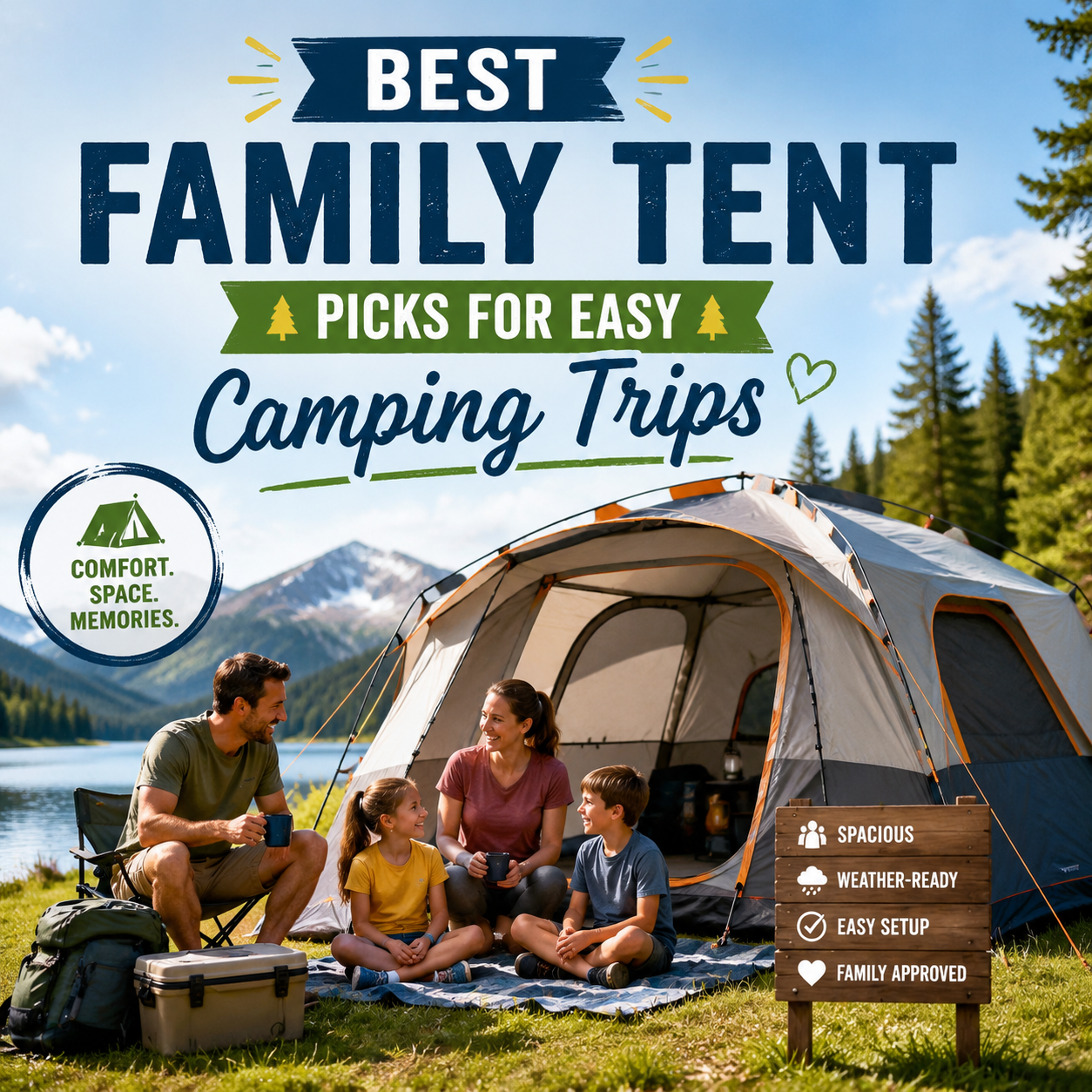
Family Tent: How to Choose the Right One for Comfortable Outdoor Adventures
A family tent is more than just a place to sleep outdoors. It is the center of camp life, a shelter from weather, a changing room, a storage area, and often the place where some of the best travel memories are made. Whether you are planning a weekend at a nearby campground, a multi-day road trip, or a longer family vacation in the wilderness, choosing the right tent can make the difference between a relaxing adventure and a stressful experience.
With so many styles, sizes, and features available, finding the best family tent can feel overwhelming. Some tents are designed for speed and easy setup. Others focus on maximum living space, weather resistance, or comfort for large groups. The best choice depends on how many people you need to accommodate, where you plan to camp, and what level of convenience you want.
This guide breaks down everything you need to know about choosing, setting up, and using a family tent so you can camp with confidence.
What Is a Family Tent?
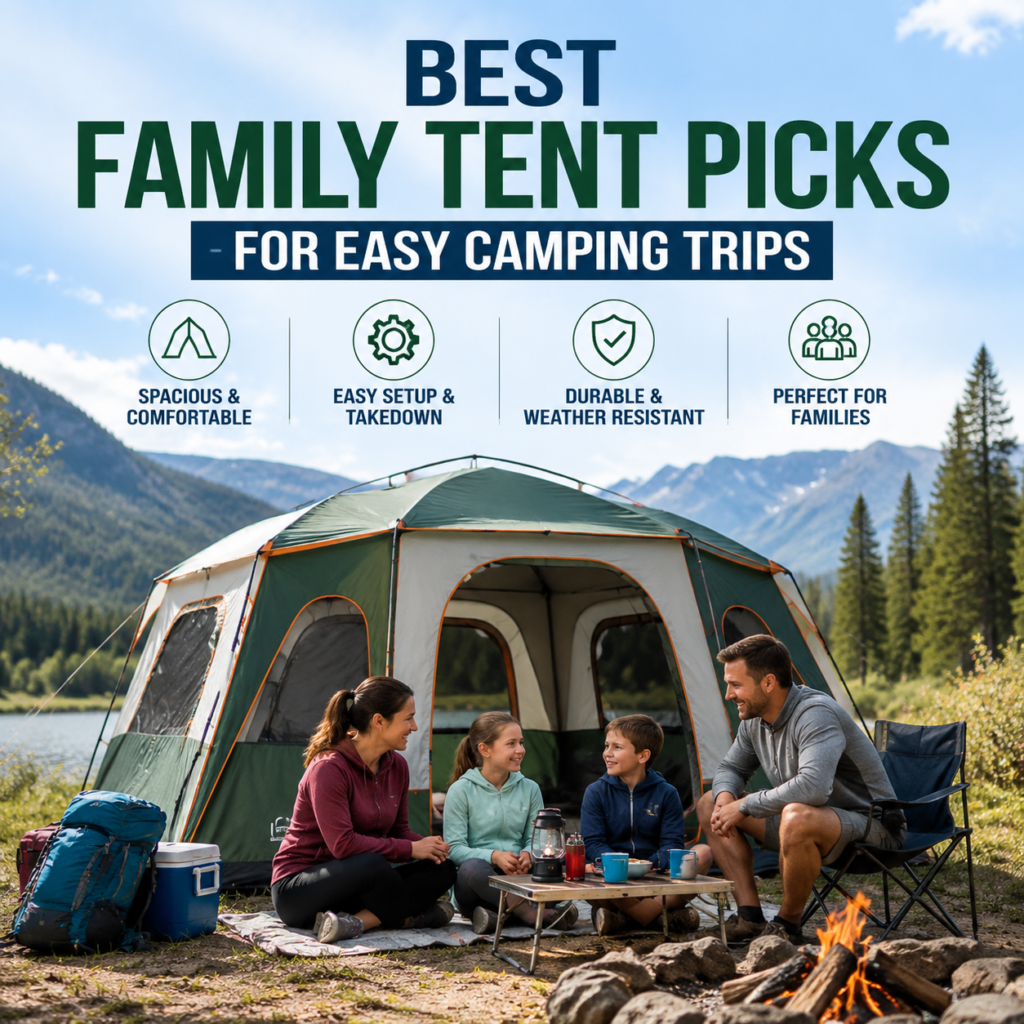
A family tent is a larger camping tent designed to comfortably fit multiple people, often with extra room for gear, sleeping bags, and movement. Unlike compact backpacking tents, which are built for portability and minimal weight, family tents prioritize space and livability.
These tents often include:
- Multiple rooms or dividers
- Standing height in the main area
- Large doors and windows
- Storage pockets and gear lofts
- Weather-resistant construction
- Easy setup features for convenience
Family tents are popular with parents traveling with children, groups of friends, and anyone who wants a more home-like camping experience.
Why Choosing the Right Family Tent Matters
Not all tents are created equal. A tent that looks roomy online may feel cramped once sleeping pads, duffel bags, and kids’ gear are inside. A tent with excellent ventilation might be perfect for hot summer campsites but not suitable for cold, windy conditions. The right tent improves comfort, safety, and overall enjoyment.
A good family tent can help with:
- Sleeping comfort: Enough space for everyone to rest without crowding
- Organization: Separate areas for sleeping and storing gear
- Weather protection: Better resistance to rain, wind, and temperature changes
- Convenience: Easier setup and teardown for busy families
- Camp enjoyment: More room for games, reading, and downtime during bad weather
For families, the tent often becomes a temporary living room. That means it needs to serve multiple purposes, not just provide a place to crash at night.
Key Factors to Consider When Buying a Family Tent
Tent Capacity
The first thing most people look at is capacity, usually listed as a number of people the tent can sleep. A 6-person tent may technically fit six sleeping bags, but that does not always mean it will fit six people comfortably with bags and equipment.
A helpful rule is to choose a tent rated for more people than will actually sleep in it. For example:
- 2 adults + 1 child: consider a 4-person tent
- 4 family members: consider a 6-person tent
- 5 or 6 people: consider an 8-person tent
This extra room improves comfort and gives space for backpacks, clothes, and other essentials.
Interior Space and Layout
A family tent should feel spacious enough to move around in, especially if children will be getting in and out frequently. Look for:
- Peak height: Taller tents allow most adults to stand upright
- Floor area: More square footage means more sleeping and storage space
- Room dividers: Separate sleeping areas can help with privacy and organization
- Vestibules or porches: Covered areas outside the main body of the tent provide storage for shoes, wet gear, and muddy items
If you are camping with children, multiple rooms can be especially helpful. One section can be used for sleeping while another serves as a gear area or play space during rainy weather.
Weight and Portability
Unlike backpacking tents, family tents are often heavier and bulkier. Since they are usually transported by car, weight may not be the top concern, but it still matters if you will move the tent often or carry it from a parking area to a campsite.
Consider:
- How far you will carry the tent
- Whether it fits in your vehicle with other gear
- Whether you can manage setup without extra help
Some large tents can weigh 20 to 40 pounds or more. Bigger cabin-style tents may weigh even more. If portability matters, look for a balance between size and manageable weight.
Ease of Setup
When camping with family, especially young children, setup should be as simple as possible. Complicated poles, unclear instructions, and too many parts can create frustration before the trip even begins.
Look for features such as:
- Color-coded poles and clips
- Instant or pop-up setup systems
- Freestanding designs
- Simple rainfly attachment
- Fewer parts to assemble
A tent that takes 10 minutes to set up can be much more appealing than one that takes an hour, especially after a long drive or when setting up in fading daylight.
Weather Protection
Weather can change quickly, and a family tent should be able to handle more than a calm, sunny evening. Good weather protection helps keep everyone dry and comfortable.
Important features include:
- Waterproof or water-resistant fabric
- Taped seams
- Full-coverage rainfly
- Strong poles and guy lines
- Bathtub-style floor to reduce water seepage
- Ventilation panels to reduce condensation
If you plan to camp in unpredictable weather, choose a tent that performs well in rain and wind. For hot climates, make sure it also offers strong airflow.
Ventilation
Ventilation is often overlooked until the tent feels stuffy or damp. Without good airflow, condensation can build up inside, making sleeping bags and walls feel wet.
A well-ventilated family tent usually has:
- Mesh windows and ceiling panels
- Adjustable vents
- Multiple doors for airflow
- Rainfly designs that allow circulation
This is especially important in summer or humid environments. Better airflow also improves comfort when several people are sleeping in the same space.
Durability and Materials
A tent’s materials affect how long it lasts and how well it performs. Check the quality of:
- Fabric: Polyester and nylon are common, but quality varies
- Poles: Fiberglass poles are affordable but less durable than aluminum
- Zippers: Smooth, sturdy zippers are essential for frequent use
- Stitching and seams: Reinforced seams improve longevity
If your family camps often, investing in a more durable tent can save money over time. A strong tent may cost more upfront but hold up better through repeated use.
Popular Types of Family Tents
Cabin Tents
Cabin tents are known for their tall walls and spacious interiors. They often feel more like a temporary room than a traditional sloped tent.
Best for:
- Families who want maximum standing room
- Campers who stay at established campgrounds
- Short trips where comfort matters more than packability
Pros:
- Great headroom
- Spacious and comfortable
- Easy to organize gear
Cons:
- Heavier and bulkier
- Less wind-resistant than lower-profile designs
Dome Tents
Dome tents have a curved shape that helps shed wind and rain more effectively. They are often smaller than cabin tents but can still work well for families.
Best for:
- Families who camp in mixed weather
- Campers who want a balance of space and stability
Pros:
- Better wind resistance
- Often lighter than cabin tents
- Easy to find in many sizes
Cons:
- Less vertical wall space
- Can feel cramped for large groups
Tunnel Tents
Tunnel tents use arched poles to create a long, tunnel-like structure. They can offer excellent interior space and separate compartments.
Best for:
- Larger families
- Longer camping trips
- Campers who want multiple rooms
Pros:
- Roomy and efficient layout
- Good for dividing sleeping and living areas
- Often includes extra storage space
Cons:
- May require careful staking
- Can be less stable without proper setup
Instant Tents
Instant tents are designed for fast setup, often with pre-attached poles or quick-pitch systems.
Best for:
- Families who want convenience
- Weekend campers and beginners
- Anyone who values speed over specialized features
Pros:
- Very quick to pitch
- Easy for beginners
- Less stressful arrival at camp
Cons:
- Sometimes heavier
- Fewer layout options
- May not be as durable as premium tents
How Many People Should a Family Tent Fit?
Tent ratings are not always realistic. Manufacturers often base capacity on sleeping side-by-side with very little room for movement. That is why a 4-person tent may be suitable for only two adults and a child if you want comfort.
Use this rough guide:
- 2 campers: 3- or 4-person tent
- 3 campers: 4- or 5-person tent
- 4 campers: 6-person tent
- 5 campers: 8-person tent
- 6 or more campers: 10-person or multi-room tent
If you bring air mattresses, cots, or extra bedding, increase the size further. Families with children often benefit from more space than expected because kids tend to bring toys, blankets, and other personal items.
Features That Make a Family Tent More Comfortable
Multiple Doors
Multiple doors make it easier for people to enter and exit without crawling over each other. This is especially useful at night when someone needs to step outside.
Storage Pockets
Interior storage pockets help keep smaller items organized, such as:
- Flashlights
- Phones
- Keys
- Water bottles
- Reading glasses
- Bug spray
These small features can make a big difference in maintaining order inside the tent.
Gear Lofts and Hanging Points
A gear loft gives you an overhead place to store lightweight items, while hanging points can support lanterns or organizers. These features help keep the floor clear.
Room Dividers
Dividers can provide privacy and separate sleeping areas. This is useful for parents and children, or for families who want one side for sleeping and another for relaxing.
Mud Mats and Vestibules
A mud mat or vestibule helps keep dirt and wet shoes outside the main sleeping area. This is especially helpful on rainy trips or at campsites with sandy or muddy ground.
Choosing a Family Tent for Different Camping Styles
For Weekend Campgrounds
If you usually stay at developed campgrounds with parking nearby, comfort and easy setup may matter most. A cabin tent or instant tent can be ideal.
Look for:
- Large doors
- Standing room
- Good ventilation
- Fast setup
For Road Trips
Road trips often involve moving campsites frequently. In this case, you want a tent that balances comfort with manageable packing.
Look for:
- Moderate weight
- Reliable weather resistance
- Simple setup and breakdown
- Durable storage bag
For Rainy or Windy Conditions
If you expect rough weather, prioritize stability over luxury.
Look for:
- Dome or tunnel design
- Strong poles
- Secure guy-out points
- Full rainfly
- Low profile to resist wind
For Hot Weather Camping
In warm climates, ventilation is critical.
Look for:
- Large mesh panels
- Multiple windows
- Adjustable vents
- Shade-friendly rainfly design
For Extended Family Camping
If you are spending several days in one place, especially with children, a bigger tent with multiple rooms can improve daily life.
Look for:
- Extra square footage
- Dividers
- Storage options
- Tall ceiling height
- Comfortable entry and exit points
Common Mistakes to Avoid When Buying a Family Tent
Buying Too Small
The biggest mistake is choosing a tent that technically fits everyone but leaves no room for gear or movement. Always size up when possible.
Ignoring Weather Conditions
A tent that works well in dry summer weather may fail in heavy rain or strong wind. Match the tent to the environment.
Overlooking Ventilation
Poor airflow can make the tent uncomfortable and damp. Ventilation is essential for both comfort and condensation control.
Choosing Based on Price Alone
A budget tent might seem appealing, but a flimsy structure or weak zipper can ruin a trip. Look for the best value, not just the lowest cost.
Forgetting About Setup Time
A large tent with complicated poles may sound fine on paper but become stressful in practice. Consider how much time and effort you are willing to spend each trip.
How to Set Up a Family Tent Efficiently
A smooth setup can make arrival at camp much easier. Here are a few practical tips:
-
Choose a flat, dry area
- Avoid low spots where water can collect.
-
Lay out the tent footprint or groundsheet
- This helps protect the floor from rocks, sticks, and moisture.
-
Unpack and organize parts before starting
- Identify poles, stakes, rainfly, and guylines.
-
Assemble the frame carefully
- Follow the tent instructions in order.
-
Stake out the corners first
- This gives the tent shape and stability.
-
Attach the rainfly
- Secure it properly to improve weather resistance.
-
Tension the guylines
- This helps the tent stand firm in wind and rain.
-
Arrange sleeping and storage areas
- Keep pathways clear for easy movement.
Practicing setup at home before your first trip can save time and frustration at the campsite.
Maintaining Your Family Tent for Long-Term Use
A family tent can last for many trips if cared for properly. Basic maintenance goes a long way.
Clean It After Each Trip
Shake out dirt, sand, and leaves. Wipe down the floor and let the tent dry completely before packing it away.
Never Store It Wet
Moisture can lead to mildew and fabric damage. If the tent gets wet, dry it fully at home before storing.
Repack Carefully
Avoid stuffing poles or fabric into the bag roughly. Folding and rolling it neatly can help preserve the material.
Check for Damage
Inspect zippers, seams, and poles after each trip. Small repairs are easier to handle before they turn into major problems.
Use a Footprint
A footprint or groundsheet can protect the bottom of the tent from abrasion and moisture.
Example Family Tent Scenarios
Example 1: A Family of Four at a State Park
A couple with two young children plans a three-night trip at a state park campground. They want room for sleeping bags, backpacks, and rainy-day activities. A 6-person cabin tent with two doors, good ventilation, and a room divider would be a strong choice. It offers enough space for comfort without becoming too hard to set up.
Example 2: A Weekend Trip with Older Kids
A family of five takes short summer trips and wants fast setup after driving to the campsite. An 8-person instant tent could be ideal because it gives extra room and reduces setup stress. Since older kids may bring more gear, the larger size helps keep the tent organized.
Example 3: A Windy Coastal Campground
A family camping near the coast expects wind and changing weather. A tunnel or dome tent with a secure rainfly, strong poles, and solid guyline points is a smart choice. Comfort matters, but stability matters more in this environment.
What to Pack with a Family Tent
To get the most out of your tent, consider packing these essentials:
- Sleeping bags or blankets
- Sleeping pads or air mattresses
- Tent footprint or tarp
- Extra stakes and guy lines
- Lanterns or headlamps
- Small organizer bag for essentials
- Repair kit
- Mallet for stakes
- Broom or dustpan for tent cleanup
These items help create a cleaner, safer, and more comfortable camping setup.
Conclusion
Choosing the right family tent comes down to balancing space, weather protection, ease of setup, and long-term comfort. The best tent for your family is not always the biggest or the most expensive one. It is the one that fits your camping style, handles your usual conditions, and gives everyone enough room to relax.
If you camp mostly at established campgrounds, a cabin or instant tent may offer the convenience you want. If weather can be unpredictable, a dome or tunnel tent may be a smarter choice. And if you are camping with children, extra space is almost always worth it.
A well-chosen family tent can turn camping into a comfortable, memorable experience for everyone involved. With the right size, features, and care, it becomes more than shelter—it becomes part of the adventure.



Add comment