
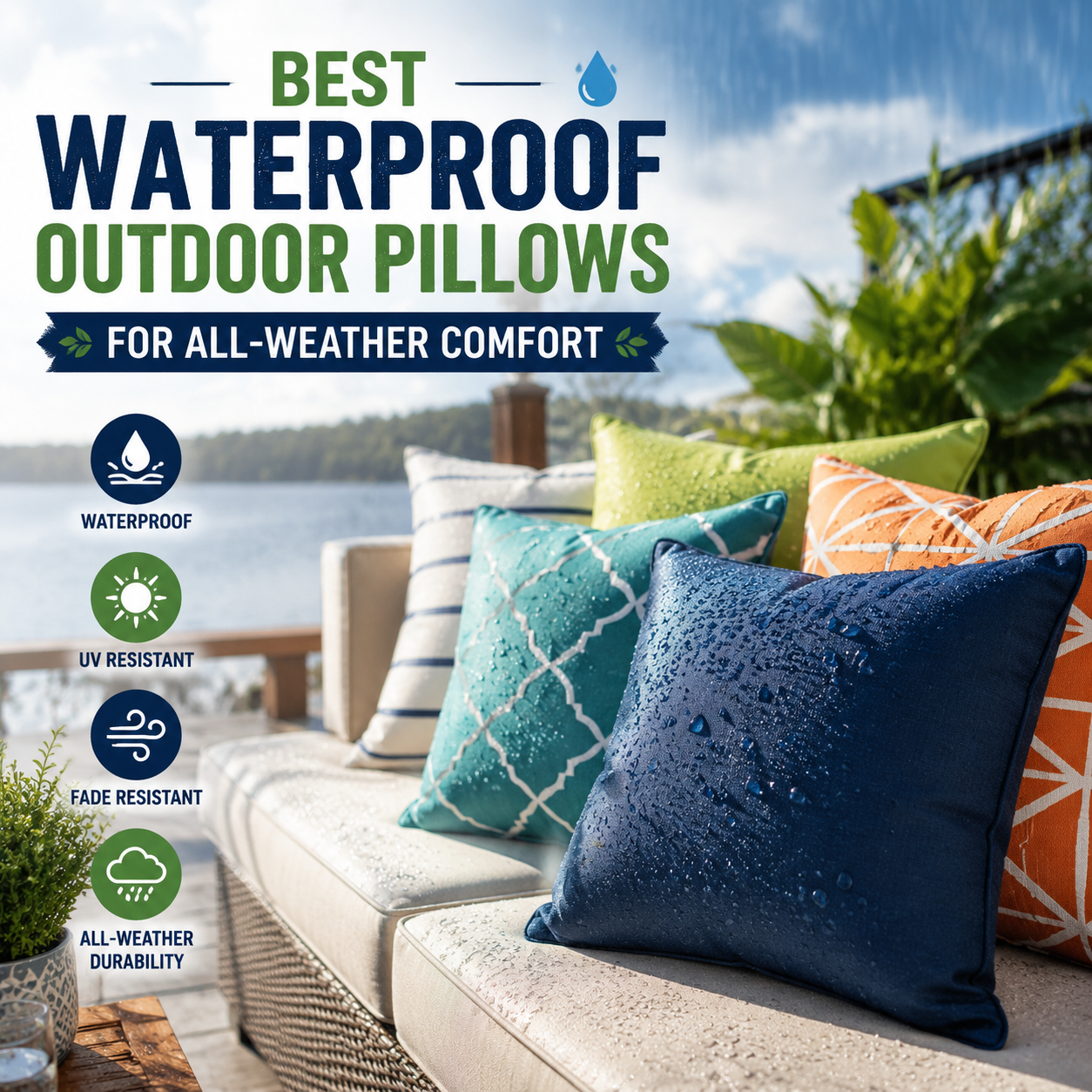
Waterproof Outdoor Pillows are a smart way to add comfort and style to patios, decks, porches, and pool areas without worrying as much about rain, spills, humidity, or everyday outdoor use. If you are shopping for outdoor pillows that can handle changing weather, the key is understanding what “waterproof” really means, how these pillows differ from water-resistant options, and which features matter most for long-term durability.
Table of Contents
- What Are Waterproof Outdoor Pillows?
- Waterproof vs. Water-Resistant Outdoor Pillows
- Best Materials for Outdoor Waterproof Pillows
- Key Features to Look For
- Are Waterproof Outdoor Pillows Really Waterproof?
- How to Choose the Right Outdoor Pillows Waterproof Enough for Your Space
- How to Care for Outdoor Waterproof Pillows
- Common Questions About Outdoor Waterproof Pillows
- Styling Tips for Outdoor Pillows
- What to Avoid When Buying Outdoor Pillows
- Seasonal Setup and Storage Tips
- How to Compare Products Before You Buy
- Final Thoughts
This guide explains everything you need to know so you can choose the right outdoor pillows for your space. For a related guide on comfort and materials, see Outdoor Pillow: Best All-Weather Comfort for Patios and Porches.
What Are Waterproof Outdoor Pillows?
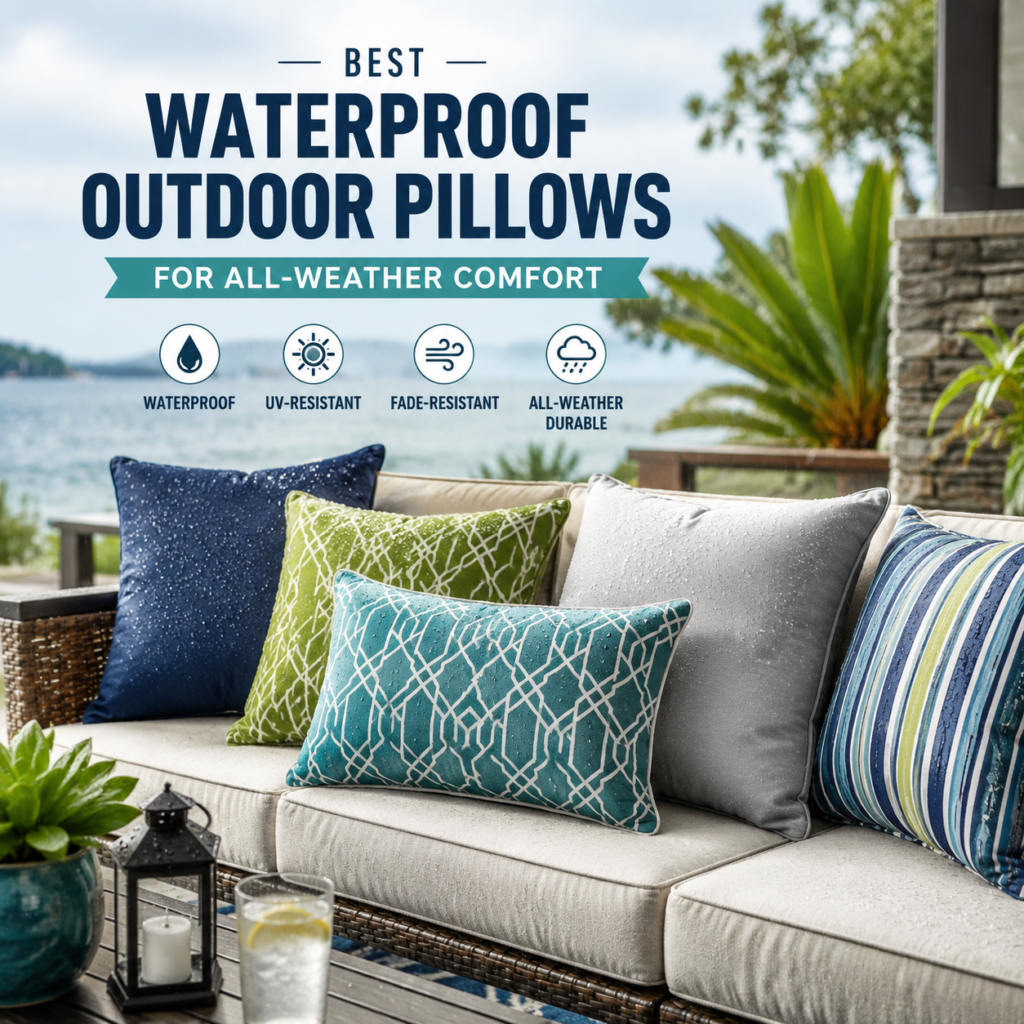
Waterproof Outdoor Pillows are designed to prevent water from soaking into the fabric and fill. They are typically made with protective outer materials, sealed seams, or special inserts that help keep moisture out.
These pillows are useful for:
- Patios and backyard seating
- Outdoor sofas and sectionals
- Poolside furniture
- Porch swings and benches
- Balcony chairs
- Camping or RV use
The main benefit is simple: they help your outdoor space stay comfortable and attractive even when weather conditions change. That makes waterproof outdoor pillows a practical choice for busy households, rental properties, and seasonal spaces that still need to look polished.
They also help reduce the hassle of bringing cushions in and out every time the weather shifts. For people who like to keep their seating ready for guests, waterproof outdoor pillows can be a reliable part of a low-maintenance setup.
Waterproof vs. Water-Resistant Outdoor Pillows
Many shoppers use these terms interchangeably, but they are not the same.
Waterproof
A truly waterproof pillow is designed to block water from penetrating the material. It may be able to withstand rain, splashes, and damp conditions much better than standard pillows.
Water-resistant
A water-resistant pillow can repel light moisture for a short time, but it may eventually absorb water if exposed to rain or standing moisture.
Which is better?
If your pillows will be left outside frequently, waterproof or highly weather-resistant options are usually the better choice. If you only bring them out occasionally or store them after use, water-resistant pillows may be enough.
The right choice often depends on your climate. In dry regions, water-resistant fabrics may be suitable for covered areas. In wetter or more humid environments, waterproof outdoor pillows usually provide better day-to-day convenience and fewer worries after a sudden shower.
For a broader look at durable patio seating accessories, it can also help to compare fabrics and fill materials with Outdoor Cushions: Best Comfort and Durability Guide.
Best Materials for Outdoor Waterproof Pillows
The material determines how well a pillow handles weather, sunlight, and wear. When looking for waterproof outdoor pillows for regular use, these are the most common and reliable materials.
Polyester
Polyester is one of the most common outdoor pillow fabrics. It is durable, affordable, and often treated to resist moisture and fading.
Olefin
Olefin is a strong outdoor fabric known for resisting water, stains, mildew, and UV damage. It is a popular choice for long-lasting outdoor use.
Acrylic
Solution-dyed acrylic is highly regarded for outdoor textiles because it resists fading and performs well in sun-heavy environments.
Vinyl-coated fabrics
These offer excellent water protection and are easy to wipe clean, though they may feel less soft than woven fabrics.
Quick-dry foam or synthetic fill
Even if the outer fabric resists water, the pillow insert matters too. Quick-dry foam and synthetic polyester fill help prevent mold and mildew by drying faster than natural materials.
Manufacturers often combine these materials in different ways, so it helps to read product details carefully. A soft cover paired with a fast-drying insert can create a more comfortable result than a pillow that only uses a tough outer shell.
If you want a matching setup with seat cushions and accent pieces, the right blend of comfort and durability matters across the whole seating area. That is one reason many shoppers compare the features of Outdoor Chair Cushion for All-Day Comfort: How to Choose, Clean & Care before buying accessories.
Key Features to Look For
Not all outdoor pillows are created equal. To find the best waterproof outdoor pillows, look for these features.
1. Seam construction
Sealed or reinforced seams reduce the chance of water getting inside the pillow.
2. UV resistance
Outdoor pillows should resist fading from sunlight. UV-resistant fabrics help keep colors vibrant longer.
3. Mildew resistance
Moisture can lead to mold and mildew, especially in humid climates. Look for pillows labeled mildew-resistant.
4. Removable covers
Removable covers make cleaning easier and can extend the life of the pillow.
5. Easy-clean surfaces
Pillows with smooth, wipeable surfaces are ideal for high-traffic outdoor areas.
6. Fade-resistant dye
Solution-dyed materials keep color locked into the fibers, making them more durable in direct sun.
7. Fast-drying fill
A pillow may claim to be weatherproof, but if the insert holds water, it can still become heavy, musty, or damaged.
It is also worth checking for zipper quality, stitching strength, and whether the fabric feels stiff or soft enough for your intended use. Some homeowners want a decorative look, while others need everyday comfort for long afternoons outside.
For example, a porch used mainly for entertaining may benefit from easier-clean fabrics, while a reading nook on a covered patio may call for softer textures. The best waterproof outdoor pillows balance appearance, function, and maintenance.
Are Waterproof Outdoor Pillows Really Waterproof?
In many cases, “waterproof” is used as a marketing term, but performance can vary by product. Some waterproof outdoor pillows can handle light rain and splashes very well, while others may only be resistant to moisture for short periods.
For best results, check whether the pillow is:
- Rated for outdoor use
- Made from waterproof or water-resistant materials
- Designed with sealed seams
- Equipped with a quick-dry insert
- Tested for UV and mildew resistance
If a product will be left outside all season, it should be able to handle more than a brief drizzle.
For a practical definition of waterproof performance and testing, the ISO 811 water penetration resistance standard is a useful reference.
In real-world use, the best waterproof outdoor pillows usually do not behave like dry-bags, but they can still provide dependable protection when conditions change. That makes them especially useful for busy outdoor areas where guests, pets, and weather all put extra stress on fabric.
How to Choose the Right Outdoor Pillows Waterproof Enough for Your Space
The best choice depends on how and where you plan to use them.
For uncovered patios
Choose pillows made from highly weather-resistant materials such as olefin or solution-dyed acrylic, with fast-drying inserts.
For poolside use
Look for pillows that resist chlorine, moisture, and sun exposure. Smooth, easy-clean surfaces are especially helpful.
For porches and covered areas
You may not need fully waterproof pillows if the space is protected. Water-resistant pillows may offer enough protection with a softer feel.
For humid climates
Prioritize mildew resistance and quick-drying materials. Moisture can linger even without rain.
For decorative use
If pillows are mainly for appearance and occasional seating, you can choose more decorative options as long as they can be stored when not in use.
When shopping for waterproof outdoor pillows, it also helps to think about how often you will bring them inside. A pillow that lives on a covered porch can have a softer texture, while one left on an open patio needs stronger weather protection.
Outdoor homeowners who want a coordinated setup may also want to compare cushions, inserts, and accent pieces before buying. That makes it easier to match comfort, color, and upkeep across the whole seating area.
A good rule is to match the pillow to the environment first and the style second. If your setup gets heavy afternoon sun, make UV resistance a top priority. If rain or sprinklers are the main issue, focus on sealed seams and fast-drying fill.
Think about storage too. A product that is easy to stack, move, and dry will be simpler to maintain through the season. In many cases, the most practical waterproof outdoor pillows are the ones that fit your routine, not just your color palette.
How to Care for Outdoor Waterproof Pillows
Even the best outdoor pillows need proper care to last. Simple maintenance helps preserve both appearance and performance.
Clean regularly
Wipe off dirt, pollen, and spills before they settle into the fabric.
Let them dry fully
If pillows get wet, allow them to dry completely before storing or stacking them.
Store during harsh weather
Even waterproof pillows last longer when brought inside during heavy storms, winter weather, or long periods of non-use.
Use a pillow storage bin or bag
A dry storage solution protects pillows from dust, moisture, and fading.
Follow care instructions
Some pillows can be hosed off, while others require spot cleaning or mild soap and water.



Add comment