
Outdoor Cushions are designed to make patios, decks, porches, and garden seating more comfortable, stylish, and usable. They add softness to hard outdoor furniture, help create a welcoming space, and can refresh the look of your outdoor area without replacing the furniture itself. If you are shopping for outdoor cushions, the main things to consider are comfort, weather resistance, size, fabric quality, and maintenance.
Table of Contents
- What Are Outdoor Cushions?
- Why Outdoor Cushions Matter
- How to Choose the Right Outdoor Cushions
- Types of Outdoor Cushions
- Are Outdoor Cushions Waterproof?
- How to Clean Outdoor Cushions
- How to Make Outdoor Cushions Last Longer
- Can Outdoor Cushions Be Used Indoors?
- How to Style Outdoor Cushions
- Common Questions About Outdoor Cushions
- Buying Outdoor Cushions: What to Prioritize
What Are Outdoor Cushions?
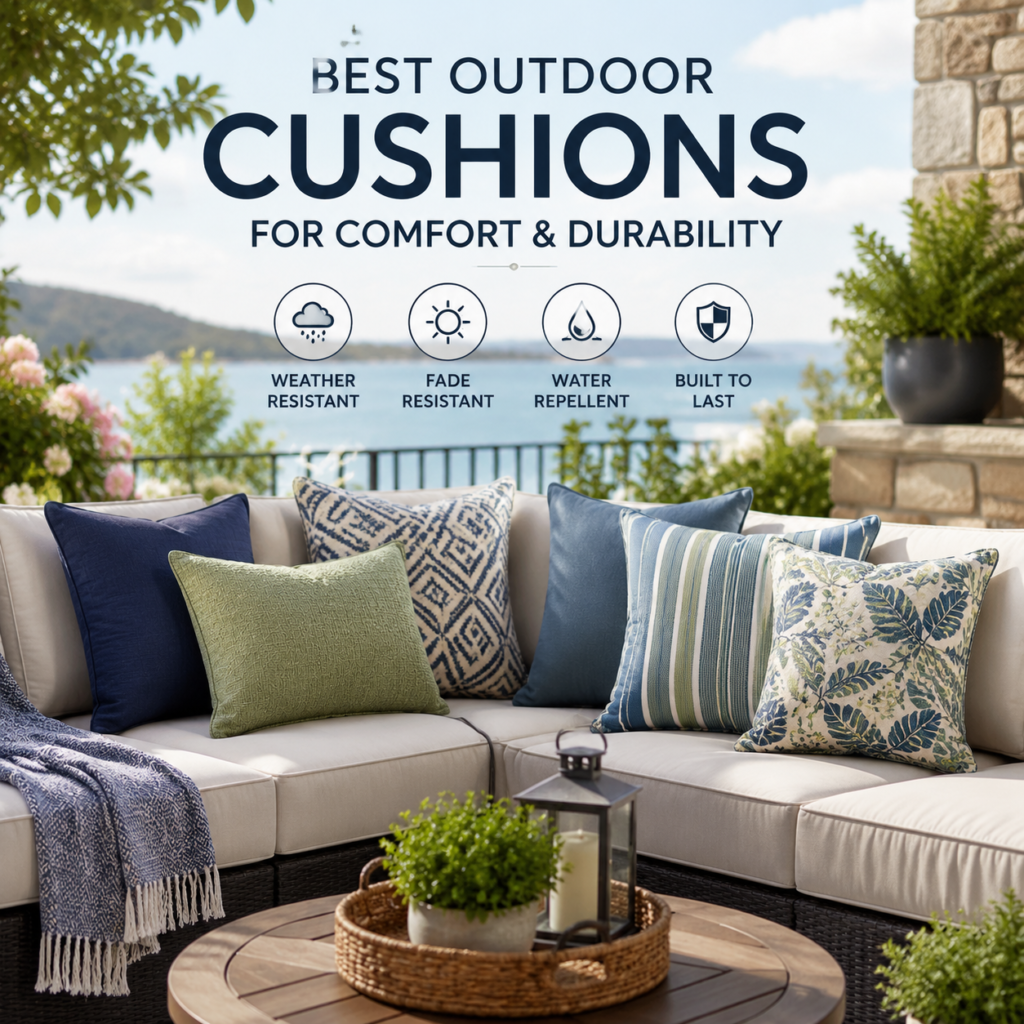
Outdoor Cushions are padded cushions made for exterior furniture such as chairs, benches, loveseats, loungers, and dining sets. Unlike indoor cushions, they are usually made with materials that can better handle sun, moisture, and regular exposure to the elements.
They are commonly used on:
- Patio chairs
- Outdoor sofas
- Bench seating
- Swing seats
- Chaise lounges
- Dining chairs
The right cushions can improve both comfort and appearance, helping you enjoy your outdoor space for longer periods. They can also make older furniture feel more inviting without a full replacement.
For many homeowners, the biggest advantage is flexibility. You can update a whole patio by changing cushion colors and textures rather than buying all-new furniture. That makes them one of the simplest ways to refresh an outdoor area on a budget.
Why Outdoor Cushions Matter
Outdoor furniture often looks attractive but can feel hard or uncomfortable without cushioning. Outdoor cushions solve that problem by adding support and padding. They also help tie together the design of your space with color and texture.
Benefits include:
- Better seating comfort
- Improved back and seat support
- Protection for furniture surfaces
- Easier seasonal style updates
- A more finished, inviting outdoor look
For homeowners who use patios or decks often, quality outdoor cushions can make a big difference in how the space feels and functions. If you are also improving the surrounding setup, screen tent ideas for outdoor comfort can help create a more usable seating area.
They are especially helpful when you want your backyard to feel like an extension of your home. In a small seating area, the right cushions can make a bench or chair more comfortable for longer conversations, meals, and quiet time outside. In larger spaces, matching cushions can help create a more cohesive design across multiple furniture pieces.
Comfort also affects how often a space gets used. If a chair feels too firm or a bench feels too narrow, people tend to avoid it. A good cushion can change that behavior and make the seating area a natural place to gather.
How to Choose the Right Outdoor Cushions
Choosing outdoor cushions is not just about picking a color you like. To find the best option, focus on fit, durability, and how you plan to use them.
1. Measure Your Furniture First
Size matters. Cushions that are too large will look awkward and may shift around, while cushions that are too small can leave gaps and reduce comfort. Measure:
- Seat width
- Seat depth
- Backrest height if needed
- Thickness space available for ties or attachment
Many outdoor cushion sets are sold by furniture type, but checking measurements helps ensure a proper fit. Even a few centimeters can affect how the cushion sits and whether it stays in place during daily use.
It is also worth measuring from the actual furniture frame instead of relying on the original product listing alone. Outdoor furniture dimensions can vary slightly by brand, and cushions that fit one chair model perfectly may slide on another. A quick measurement before buying helps avoid returns and disappointment.
2. Look for Weather-Resistant Fabrics
Outdoor Cushions are exposed to sunlight, humidity, rain, and dirt. Weather-resistant fabrics help them last longer and look better over time. Common fabric features to look for include:
- UV resistance to reduce fading
- Water resistance or quick-drying properties
- Mold and mildew resistance
- Stain resistance for easier cleaning
Popular outdoor fabric options include solution-dyed acrylic, polyester blends, and other performance fabrics designed for outdoor use. These materials are made to stand up to frequent exposure while still feeling comfortable enough for everyday seating.
It helps to think about the environment where the cushions will live. A covered porch may allow for more design choices, while an open deck may require stronger protection against sunlight and moisture. In hot, sunny locations, UV resistance becomes especially important because fading can happen faster than expected.
3. Consider Cushion Fill
The inside filling affects comfort, shape retention, and drying time. Common fill materials include:
- Foam: firm support and good shape retention
- Polyester fiberfill: soft and plush, but may compress faster
- Quick-dry foam: designed to release moisture faster after rain
If your cushions will be exposed to the weather, quick-dry materials can be especially useful. They help reduce the amount of time cushions stay damp after a shower or morning dew, which can make outdoor seating feel fresher.
The best fill also depends on how the seat is used. Dining chairs usually benefit from a firmer cushion that supports upright sitting, while loungers and deep seating pieces often feel better with thicker, softer padding. Matching the fill to the function of the furniture improves comfort and usability.
4. Choose the Right Thickness
Thicker cushions usually feel softer and more supportive, but the best thickness depends on the furniture and how the cushion will be used. Dining chairs often need slimmer cushions, while lounge seating benefits from thicker padding.
It also helps to think about how people will use the furniture. A reading chair on a covered porch may call for a plush cushion with a deep seat feel, while a dining set may work better with a firmer, lower-profile cushion that allows easy movement at the table.
Thickness can also affect the visual style of the space. Thin cushions create a more tailored, streamlined look, while thick cushions feel more relaxed and casual. Neither option is better in every case; the right choice depends on the atmosphere you want to create.
5. Match Style to Your Outdoor Space
Outdoor Cushions can change the look of a patio instantly. Neutral colors create a calm, timeless feel, while bold prints add personality. Choose colors and patterns that complement:
- Your furniture finish
- Existing decor
- Surrounding landscape
- The mood you want to create
Style matters more than many buyers expect. A simple cushion in a neutral tone can make a space feel clean and relaxed, while a patterned option can bring energy to a plain deck or porch. If you are coordinating with planters, rugs, or a canopy, choosing a repeating color from those items can make the whole area feel intentional.
For a broader look at outdoor shade and seating coordination, you can also explore guidance from the U.S. EPA overview of UV radiation and sun exposure, which explains why UV-resistant materials matter in sunny spaces.
Types of Outdoor Cushions
There are several types of outdoor cushions, and each serves a different purpose.
Seat Cushions
These are designed to fit under you on chairs, benches, or sofas. They are usually square, rectangular, or custom-shaped to match the furniture.
Back Cushions
Back cushions support the upper body and are often used with outdoor sofas, sectionals, and deep seating furniture.
Bench Cushions
Bench cushions are longer and made for straight bench seating. They often include ties or non-slip backing to stay in place.
Lounge and Chaise Cushions
These cushions are made for reclining furniture. They are longer and often adjustable to fit different lounging positions.
Chair Pads
Chair pads are thinner cushions used mostly for dining chairs or small seating areas where a low-profile look is preferred.
Each type plays a slightly different role in comfort and appearance. A bench cushion can soften a garden nook, while a lounge cushion can turn a simple chair into a relaxing spot for reading or sunbathing. If you plan to mix furniture styles, look for cushions that share the same fabric family or color range so the area still feels balanced.
In some spaces, mixing cushion types is the best solution. For example, dining chairs may need slimmer pads for movement, while a side bench may work better with a thicker cushion. The key is to keep the materials and colors coordinated so the outdoor area still feels unified.
Are Outdoor Cushions Waterproof?
Not all outdoor cushions are fully waterproof. Many are water-resistant, which means they can handle light moisture or brief exposure to rain, but not long periods in wet conditions. Waterproof cushions are less common and may be more suitable for high-exposure areas.
If you live in a rainy climate or leave furniture uncovered, look for:
- Water-repellent fabric
- Quick-drying foam
- Removable covers
- Storage-friendly designs
Even weather-resistant cushions usually last longer if stored during heavy rain or extreme weather. If the seating area is fully exposed, it is smart to think about drainage, airflow, and how quickly the cushions can dry after moisture builds up.
A covered patio, pergola, or screened area gives you more flexibility because it reduces the amount of direct rain and sun the fabric receives. That extra protection can help maintain color and shape for a longer time.
If full exposure is unavoidable, consider pairing the cushions with furniture that can dry quickly and rust-resistant frames that tolerate changing weather. That combination makes upkeep simpler and helps the whole setup last longer.
How to Clean Outdoor Cushions
Cleaning outdoor cushions is important for keeping them fresh and extending their lifespan. Most cushions can be cleaned with simple methods, but always check the care label first.
General cleaning steps:
- Brush off loose dirt and debris
- Spot clean stains with mild soap and water
- Rinse gently if allowed
- Air dry completely before using or storing
For removable covers, machine washing may be possible depending on the fabric. Avoid harsh cleaners or bleach unless the manufacturer recommends them, as these can damage the material or fade the color.
For stubborn marks, test any cleaning solution on a hidden area first. This helps protect the fabric finish and avoids creating uneven color patches. It is also a good idea to clean cushions before storing them for the season so dirt and moisture do not settle in while they are packed away.
If the cushion insert gets wet, let it dry fully before replacing the cover or putting it back on furniture. Trapped moisture can lead to odors or mildew, especially in warm and humid weather.
A gentle cleaning routine can go a long way. Even if cushions do not look dirty, dust, pollen, and body oils can build up over time. A quick wipe-down every few weeks helps preserve the fabric and keeps the seating area feeling fresh.
How to Make Outdoor Cushions Last Longer
Outdoor Cushions last longer when they are protected from prolonged sun and moisture. A few simple habits can help:
- Use cushion storage boxes or bins
- Bring cushions inside during storms
- Rotate cushions regularly for even wear
- Shake off water after rain
- Clean spills quickly
- Use covers when furniture is not in use
Proper care can greatly extend the life of your cushions and keep them looking newer for longer. If your seating area includes a shade structure, pairing cushions with an outdoor parasol can also reduce direct sun exposure and help protect fabrics.
Small habits make a noticeable difference. Storing cushions when they are not needed, especially during the off-season, can prevent fading and reduce wear from dust and moisture. Rotating seat and back cushions also helps them age more evenly, so one area does not flatten faster than the rest.
If your space is used often, consider a routine check once a week. Remove leaves, wipe away spills, and let the cushions dry after rain. This simple maintenance can keep them more comfortable and attractive over time.
Another useful habit is to place cushions away from standing water and sprinkler spray. Even water-resistant materials can break down faster when they are repeatedly soaked. Good placement, along with seasonal storage, can significantly improve the lifespan of the fabric and filling.
Can Outdoor Cushions Be Used Indoors?
Yes, outdoor cushions can be used indoors, especially if you want easy-to-clean, durable seating. However, they may feel firmer or look less plush than indoor cushions. They are a good choice for sunrooms, pool houses, enclosed porches, and family spaces where durability matters.
They can also work well in homes with children or pets because they are often easier to wipe down than traditional upholstery. For spaces that get a lot of traffic, the durability of outdoor-grade materials can be a practical advantage even when the furniture stays inside.
In indoor rooms that get strong sunlight, outdoor cushions can also help resist fading better than some standard fabrics. That makes them useful in bright window areas, enclosed patios, and spaces where you want a relaxed feel without worrying as much about wear and tear.
How to Style Outdoor Cushions
Styling outdoor cushions is one of the easiest ways to update your outdoor area. A few simple design ideas include:
- Use one color family for a clean, coordinated look
- Mix solids with subtle patterns for visual interest
- Add throw pillows for extra texture
- Choose seasonal colors for a fresh update
- Coordinate with rugs, umbrellas, or planters
If your furniture is neutral, bold cushions can create a focal point. If your furniture already has strong colors or textures, simple cushions may work better.
You can also use cushions to define different zones. For example, one color palette can suit a dining area while another works for a lounge corner. That approach helps large patios feel organized without looking too uniform. When the style is consistent, the whole space feels more polished and comfortable.
Layering is another easy styling trick. A seat cushion paired with one or two decorative pillows can make the setup look more inviting without adding clutter. Just make sure the overall arrangement still leaves enough room to sit comfortably and move around the furniture.
Common Questions About Outdoor Cushions
How long do outdoor cushions last?
The lifespan depends on fabric quality, sunlight exposure, weather, and care. Well-made cushions used in protected areas can last several seasons or longer. Cushions exposed to full sun and rain may wear out sooner.
Do outdoor cushions fade in the sun?
All fabrics can fade over time, but UV-resistant outdoor fabrics are designed to slow fading. Using covers and storing cushions when not in use helps preserve color.
What is the best filling for outdoor cushions?
Quick-dry foam is often considered one of the best options for outdoor use because it combines support with faster moisture release. For softer seating, polyester fill may be comfortable, though it may flatten faster.
Can outdoor cushions stay outside all year?
Some can, but it is usually not recommended unless they are specifically designed for all-weather exposure. Even durable cushions last longer when brought in during harsh weather or off-season months.
One simple rule is to match the cushion to the exposure level. A covered porch can usually handle more fabric variety than a fully open deck. If you expect frequent rain, stronger sunlight, or heavy use, prioritize the most weather-resistant materials you can find.
When in doubt, read the manufacturer’s care instructions carefully. Those details often explain whether the cushion is designed for full exposure, partial cover, or seasonal storage.
Buying Outdoor Cushions: What to Prioritize
If you are ready to buy outdoor cushions, focus on these priorities:
- Correct size and fit
- Weather-resistant materials
- Comfortable padding
- Easy cleaning
- Durability for your climate
- Style that complements your space
The best cushions are those that balance comfort, performance, and appearance. A well-chosen cushion should feel good to sit on, hold up to outdoor conditions, and enhance the overall look of your patio or deck.
Before you buy, it helps to think about where the cushions will be used most often. A family deck with frequent meals, drinks, and guests may need stain resistance and easy cleaning. A quiet garden bench may need softer padding and a calmer color palette. In both cases, careful planning leads to a better long-term result.
It can also be helpful to compare the furniture frame material with the cushion style. Metal, wood, wicker, and resin furniture all create slightly different seating experiences, so the best cushion choice depends on how the furniture is built and how you want it to feel when sitting down.
For buyers comparing product options, it may help to think beyond appearance alone. Look at stitching, tie placement, zipper quality, and whether replacement covers are available. These small construction details often determine how well a cushion performs after repeated use.
Final Thoughts
Outdoor Cushions are a simple but effective way to improve comfort, style, and usability in any outdoor living space. Whether you need seat cushions for dining chairs, deep seating cushions for a patio sofa, or bench cushions for a garden nook, the right choice will depend on fit, fabric, fill, and weather resistance.
By choosing durable materials, measuring carefully, and maintaining them properly, you can enjoy cushions that look great and perform well season after season. With the right care, they can turn everyday seating into a more inviting place to relax, entertain, and enjoy the outdoors.
If you want your seating area to feel even more complete, pair cushions with shade, storage, and regular cleaning habits. Those finishing touches make the space more comfortable and help protect your investment over time.






Add comment