
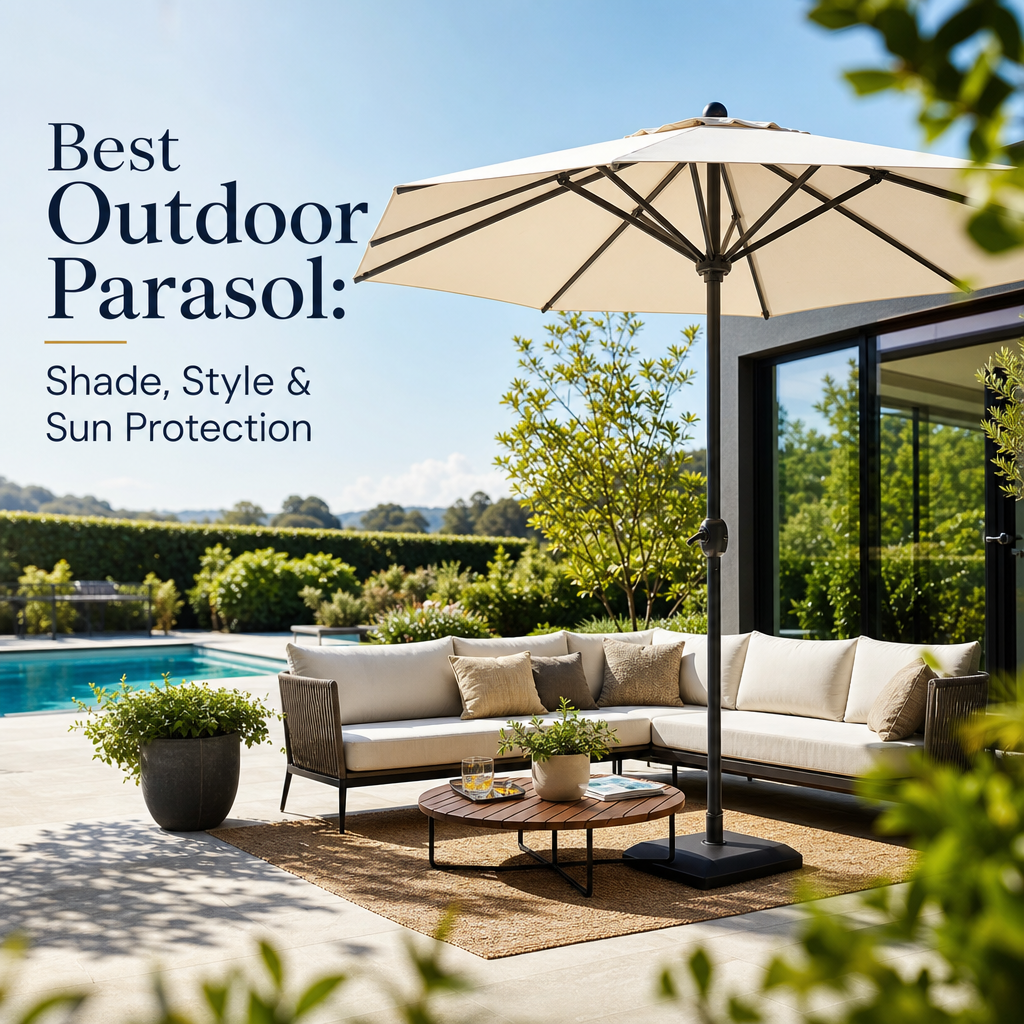
An outdoor parasol is one of the simplest and most effective ways to create shade in a garden, patio, balcony, or poolside area. It helps make outdoor spaces more comfortable, protects against direct sunlight, and adds style to your setup. Whether you want a parasol for a dining table, lounging area, or commercial terrace, choosing the right one depends on size, material, stability, and how you plan to use it.
This guide explains what an outdoor parasol is, how to choose one, what features matter most, and how to care for it so it lasts longer. It also covers practical buying tips so you can choose a model that fits your space and daily routine.
Table of Contents
- What Is an Outdoor Parasol?
- Why Use an Outdoor Parasol?
- How to Choose the Right Outdoor Parasol
- Best Uses for an Outdoor Parasol
- How to Position an Outdoor Parasol
- How to Care for an Outdoor Parasol
- Common Questions About Outdoor Parasols
- What to Look for When Buying an Outdoor Parasol
- Outdoor Parasol Maintenance Tips for Longer Life
- Final Thoughts
What Is an Outdoor Parasol?
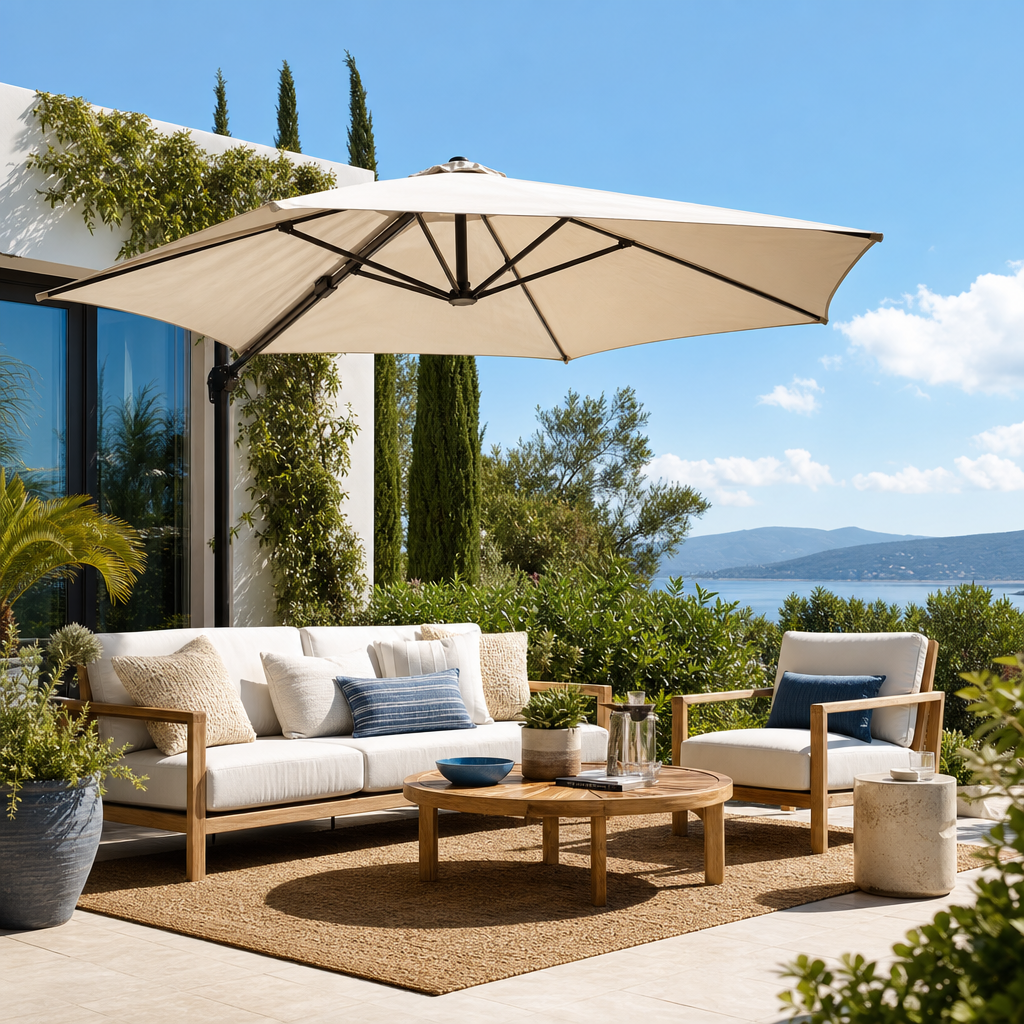
An outdoor parasol is a freestanding or table-mounted shade umbrella designed for exterior use. Unlike a rain umbrella, it is made primarily to block sunlight and provide shade. Most outdoor parasols have a canopy made from UV-resistant fabric and a sturdy pole or frame that supports the structure.
They are commonly used in:
- Gardens
- Patios
- Balconies
- Pool areas
- Outdoor dining spaces
- Cafes and restaurants
A good outdoor parasol can improve comfort, reduce glare, and help protect furniture from sun exposure. If you are comparing shade solutions for a home or business, you may also find helpful background information in our maintenance and cleaning instructions.
Why Use an Outdoor Parasol?
People choose outdoor parasols for several practical reasons:
1. Sun protection
The main benefit is shade. A parasol helps reduce direct UV exposure, making it more comfortable to sit outside for longer periods.
2. Cooler outdoor spaces
By blocking sunlight, a parasol can make patios and seating areas noticeably cooler.
3. Better outdoor dining
If you eat outdoors often, a parasol helps prevent food from heating up too quickly and makes meals more pleasant.
4. Added style
Outdoor parasols come in many shapes, colors, and designs, so they can complement your garden furniture and overall outdoor décor.
5. Furniture protection
Shade helps reduce fading and wear on outdoor cushions, tables, and chairs.
For commercial properties, the right shade setup can also help create a more inviting customer experience. In hospitality settings, outdoor shade is often part of a broader seating and layout plan that balances comfort, durability, and appearance. A well-chosen outdoor parasol can support that goal without taking up unnecessary floor space.
How to Choose the Right Outdoor Parasol
The best outdoor parasol depends on your space, budget, and intended use. Here are the key factors to consider.
1. Size of the Parasol
Size is one of the most important decisions. A parasol should provide enough shade without overwhelming the space.
Small spaces
For balconies or compact patios, a smaller parasol is usually best. These are easier to position and store.
Medium spaces
For standard garden tables or seating areas, a mid-sized parasol often provides enough coverage for everyday use.
Large spaces
For bigger patios or commercial settings, a large parasol or cantilever parasol can cover a wider area more effectively.
A simple rule is to choose a canopy that extends well beyond the area you want to shade. If the canopy is too small, people may still be exposed to direct sun as the day moves on.
2. Type of Outdoor Parasol
There are several common types of outdoor parasols.
Centre-pole parasol
This is the most traditional style. The pole sits in the center of the canopy and often fits through a hole in a table.
Best for: Dining sets and smaller seating areas
Cantilever parasol
Also called an offset parasol, this design has the pole to the side rather than the center. This gives more flexible shade without placing a pole in the middle of the seating area.
Best for: Lounging areas, larger patios, and open spaces
Wall-mounted parasol
This type attaches to a wall and saves floor space.
Best for: Balconies, compact terraces, and limited outdoor areas
Tilt parasol
A tilt feature allows you to angle the canopy as the sun moves during the day.
Best for: Areas with changing sun positions
3. Material and Fabric
The canopy material matters for both comfort and durability.
Polyester
Polyester is common, affordable, and easy to maintain. It offers decent sun protection and is available in many colors.
Acrylic
Acrylic fabrics are often more durable and better at resisting fading. They are a strong choice for frequent outdoor use.
UV-resistant fabrics
Look for materials designed to block UV rays. This improves sun protection and helps the canopy last longer.
When possible, choose a water-resistant or quick-drying fabric, especially if your outdoor parasol will remain outdoors for long periods. This helps reduce the risk of mildew and makes routine cleaning much easier. For more general guidance on UV exposure and sun safety, the CDC’s skin cancer prevention advice is a useful reference.
4. Frame and Pole Material
The frame affects stability, weight, and lifespan.
Aluminum
Lightweight, rust-resistant, and easy to move. A popular choice for modern outdoor parasols.
Steel
Strong and stable, but may be heavier and more prone to rust if not properly coated.
Wood
Offers a classic, natural appearance. It can look beautiful in gardens but may need more maintenance.
If your outdoor parasol will be exposed to changing weather, a corrosion-resistant frame is a smart investment. In coastal or humid environments, this becomes even more important because moisture can affect unprotected materials over time.
5. Base and Stability
A parasol is only as good as its base. A weak base can make the parasol unsafe in windy conditions.
What to look for:
- A heavy, stable base
- Compatibility with the parasol pole size
- Easy but secure locking system
- Additional anchoring for larger models
Cantilever parasols especially need a strong base because their design creates more leverage.
If you are comparing stand options, the base should always match the parasol size rather than being chosen for appearance alone. A visually attractive setup still needs to be secure enough for everyday use.
6. Wind Resistance
Outdoor parasols are not all equally suited to windy areas. If your space is exposed, choose a model with:
- A vented canopy to allow airflow
- A strong frame
- A heavy base
- Safe folding or closing mechanism
A vented canopy can reduce pressure from wind and improve overall stability.
It is also a good idea to close the parasol when conditions become unpredictable. Even a well-built shade umbrella is safer when folded away during stronger gusts.
7. Opening Mechanism
The opening system affects daily convenience.
Common options include:
- Manual crank
- Push-up system
- Pulley system
- Lever or tilt mechanism
A crank handle is often the easiest option for regular use, especially for larger parasols. For commercial spaces, ease of operation can matter as much as canopy size because staff may need to adjust the parasol quickly during busy periods.
8. Shape and Style
Outdoor parasols come in different shapes:
- Round
- Square
- Rectangular
Round parasols
These are classic and work well over circular tables or small seating areas.
Square parasols
These create a modern look and often provide efficient shade coverage.
Rectangular parasols
These are ideal for long dining tables or narrow spaces.
Choose a shape that matches both your furniture and the area you want to shade. A balanced shape can make the whole outdoor setting feel more polished and better organized.
Best Uses for an Outdoor Parasol
Garden dining
A parasol above a dining table makes meals more comfortable and helps protect diners from strong sun.
Poolside lounging
A parasol provides useful shade for chairs, sun loungers, and side tables.
Balcony shade
A compact parasol can make a small balcony much more usable during warm weather.
Commercial outdoor seating
Cafes and restaurants often use outdoor parasols to create pleasant customer areas and improve usability.
Businesses often look for durable shade products that can handle frequent use and regular repositioning. If you are researching commercial options, this guide on where to buy heavy duty commercial patio umbrella wholesale may also be useful when comparing shade setups and suppliers.
In larger hospitality layouts, a well-placed outdoor parasol can also support traffic flow. It can define dining zones without adding barriers, which is useful when you want a clean layout and flexible seating plan.
How to Position an Outdoor Parasol
Proper placement improves both shade and safety.
Tips for positioning:
- Place it where the sun is strongest during the day
- Check for enough clearance around the canopy
- Keep it away from low branches or overhead obstacles
- Ensure the base sits on a flat, stable surface
- Adjust the angle if the parasol has a tilt function
If you use it with a dining set, make sure the parasol covers the entire table area without blocking movement. You should also leave enough room for chairs to pull out comfortably.
For open seating zones, position the parasol so it shades the most-used part of the space rather than the center of the patio alone. Small placement changes can make a big difference in comfort through the afternoon.
For especially sunny spaces, try testing the shade at different times of day before settling on the final position. That extra step can help you get the most from an outdoor parasol, especially when the sun shifts during long summer afternoons.
How to Care for an Outdoor Parasol
Regular maintenance helps extend its lifespan.
Cleaning the canopy
Use mild soap, water, and a soft cloth or sponge. Avoid harsh chemicals that may damage the fabric.
Drying properly
Always let the canopy dry fully before storing it to prevent mold and mildew.
Storage
During strong winds, heavy rain, or winter months, store the parasol indoors or use a protective cover.
Frame care
Wipe the frame regularly and check for loose screws, rust, or damage.
Base inspection
Make sure the base remains stable and secure over time, especially after moving the parasol.
If your model includes moving parts such as a crank or tilt joint, test them from time to time so they stay smooth. Small maintenance checks can prevent wear from turning into larger repairs later on.
A little routine care can also help preserve the look of your outdoor parasol. Clean fabric and a well-kept frame make the whole outdoor area feel more polished, which matters in both private gardens and commercial spaces.
Common Questions About Outdoor Parasols
What is the difference between a parasol and a patio umbrella?
The terms are often used interchangeably. In many regions, a parasol usually refers to a shade umbrella used outdoors, while “patio umbrella” is more common in other markets.
How big should an outdoor parasol be?
It depends on the area you want to shade. For a dining table, the canopy should extend beyond the edges of the table. For lounging areas, larger coverage is usually better.
Are outdoor parasols waterproof?
Not always. Many are water-resistant rather than fully waterproof. They are mainly designed for shade, not heavy rain.
Can an outdoor parasol stay outside all year?
Some can, but it is better to store or cover them when not in use. This helps protect the fabric and frame from weather damage.
What is the best material for a parasol?
For most users, a UV-resistant canopy with an aluminum or powder-coated steel frame offers a good balance of durability and ease of use.
How do I keep a parasol from blowing over?
Use a heavy base, close it in windy conditions, and choose a model designed for outdoor stability. Cantilever parasols may need extra anchoring.
For guidance on outdoor product longevity, it can also help to review the manufacturer’s care recommendations and look for clear assembly instructions before purchase. Good product information often reflects better long-term usability.
If you are choosing an outdoor parasol for a business, it is worth checking whether the supplier offers replacement parts or fabric options. That can make future maintenance simpler and help you keep the same setup in service for longer.
What to Look for When Buying an Outdoor Parasol
Before you buy, check these essentials:
- Suitable size for your space
- UV protection
- Strong and weather-resistant frame
- Stable base
- Easy opening and closing mechanism
- Compatible shape for your furniture
- Storage or cover options
- Good reviews for durability and ease of use
Thinking through these points before purchase can save time and help you choose a parasol that works well for years.
You should also consider how often the parasol will be moved. A lightweight design may be easier to handle at home, while a heavier commercial model may be preferable where wind and daily use are bigger concerns.
When comparing models, it is wise to think about the full setup, not just the canopy. A reliable outdoor parasol needs a good base, practical opening system, and materials that suit your climate and usage pattern.
Outdoor Parasol Maintenance Tips for Longer Life
To get the most from your parasol:
- Close it when not in use
- Do not use it in strong winds
- Clean it regularly
- Store it in dry conditions
- Use a protective cover
- Check the mechanism occasionally
- Tighten fittings when needed
Simple care steps can make a big difference in durability. Keeping the fabric clean and dry is especially important because dirt and moisture can shorten the life of the canopy if they are left untreated.
If your parasol is used in a busy outdoor area, set a routine for inspection. A quick check of the pole, base, and canopy before and after use can help you catch small issues early. An outdoor parasol that receives regular care can stay attractive and functional through many seasons.
Good maintenance also protects your investment. Whether you use one outdoor parasol at home or several in a commercial setting, consistent cleaning and storage habits can reduce wear and help the shade look fresh for longer.
Final Thoughts
An outdoor parasol is a practical and attractive way to add shade to your outdoor living space. The best option depends on your area size, furniture layout, weather conditions, and how often you plan to use it. By choosing the right size, material, and base, you can create a comfortable shaded area that looks good and performs well.
Whether you need shade for a garden table, a balcony corner, or a larger patio seating area, the right outdoor parasol can make your outdoor space more enjoyable throughout the season. With the right setup and regular care, it can remain a reliable part of your outdoor living area for years.
When you compare products carefully, the best outdoor parasol is usually the one that balances comfort, stability, and long-term maintenance. That balance matters just as much as appearance, especially if the parasol will be used often.
A well-chosen outdoor parasol can do more than block the sun. It can improve comfort, support better use of space, and make outdoor living feel easier day to day.

Add comment