
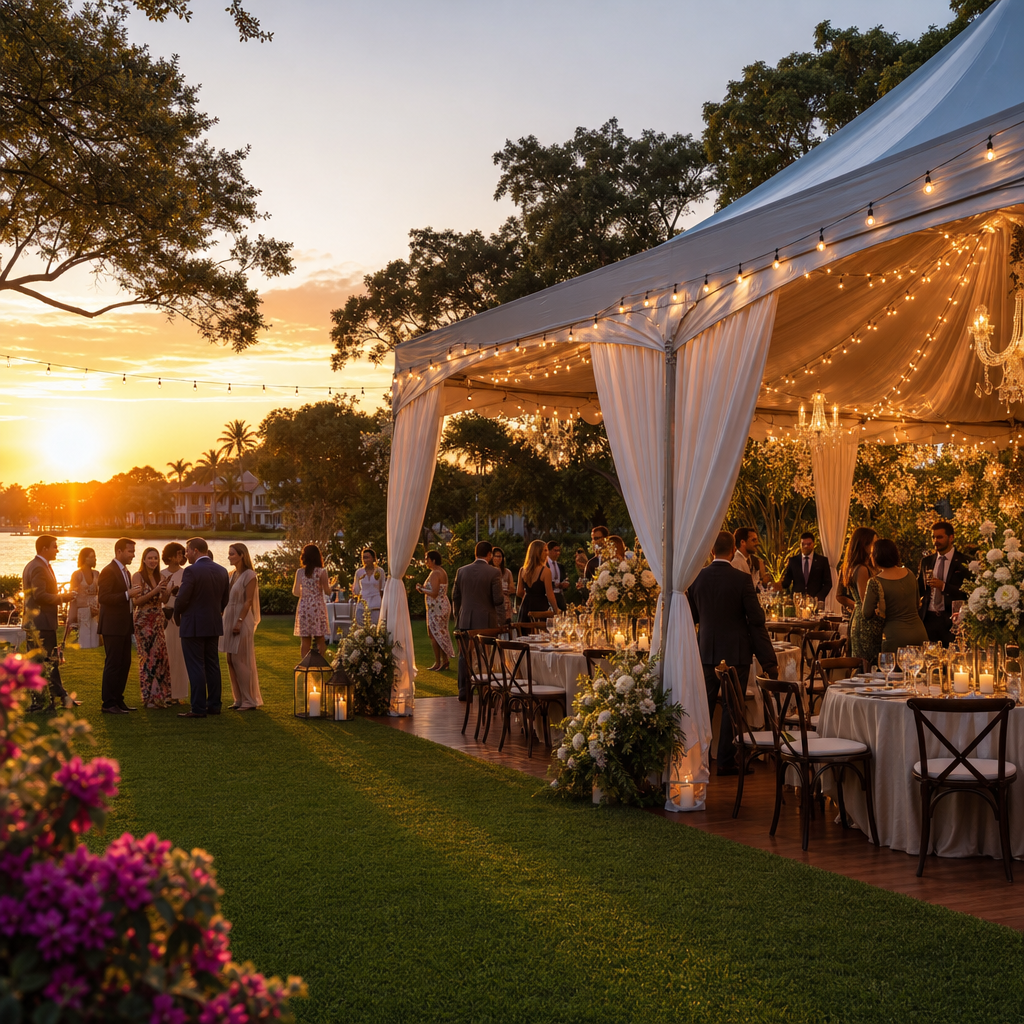
Party Tent: The Complete Guide to Choosing, Setting Up, and Using One for Any Event
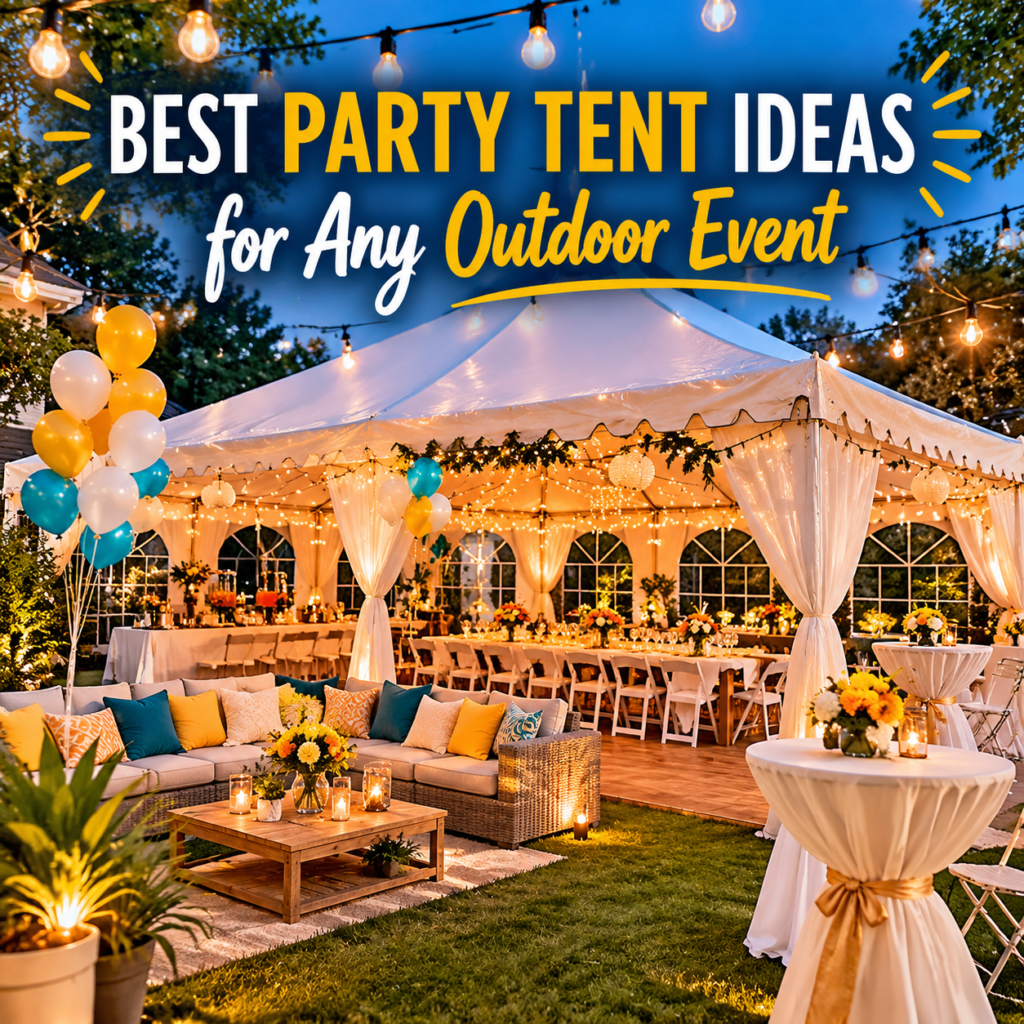
A party tent can transform an ordinary gathering into a comfortable, polished, and memorable event. Whether you are hosting a backyard birthday party, a wedding reception, a company picnic, a graduation celebration, or a seasonal holiday gathering, the right tent gives you a flexible space that protects guests from sun, wind, and rain while creating a defined atmosphere for the occasion.
Unlike permanent event venues, party tents offer freedom. You can install them almost anywhere with enough space, shape the layout to match your guest count, and customize the look to fit the theme of the event. They also provide a practical solution for events where indoor space is limited or unavailable.
This guide walks through everything you need to know about party tents, including types, sizes, materials, planning tips, setup advice, and decoration ideas. By the end, you will have a clear understanding of how to choose the best tent for your event and make it work beautifully.
What Is a Party Tent?
A party tent is a temporary outdoor shelter designed to host social or formal events. It typically includes a frame or pole structure covered by fabric or vinyl. Some tents are simple and lightweight, while others are more durable and suitable for larger events or longer installations.
Party tents serve several important purposes:
- They protect guests and equipment from weather
- They create a separate event area
- They improve comfort by adding shade and shelter
- They make outdoor events feel more organized and elegant
- They can support lighting, décor, tables, and entertainment setups
While some people use the term broadly, party tents can range from small pop-up canopy tents to large frame tents that accommodate dozens or even hundreds of guests.
Why Use a Party Tent?
There are many reasons people choose to use a party tent instead of relying on indoor space or open-air settings.
Weather Protection
The most obvious benefit is protection from the elements. A tent helps shield guests from:
- Strong sunlight
- Light rain
- Wind
- Cooler temperatures when combined with sidewalls or heaters
This makes outdoor events more reliable and less stressful, especially when weather forecasts are uncertain.
Flexible Event Space
A party tent gives you control over the layout. You can create different zones for dining, dancing, food service, gift tables, or socializing. This flexibility is especially helpful for events at home or in spaces without built-in event infrastructure.
Better Guest Comfort
A tent can improve comfort by offering shade, reducing glare, and making the atmosphere feel more contained. Guests are often more relaxed when they know they have a sheltered area to gather.
Improved Aesthetic Appeal
With the right décor, a tent can look elegant, festive, or casual depending on the occasion. Draping, lighting, flooring, and furniture can completely change the look of the space.
Useful for Many Event Types
Party tents are popular for:
- Weddings
- Birthday parties
- Anniversaries
- Graduation celebrations
- Corporate events
- Community festivals
- Backyard barbecues
- Holiday parties
- Fundraisers
Types of Party Tents
Not all party tents are the same. The best choice depends on the size of your event, the location, your budget, and how long you need the tent installed.
Pop-Up Canopy Tents
Pop-up canopy tents are small, portable, and easy to assemble. They are ideal for:
- Backyard parties
- Food stations
- Small vendor booths
- Shade at informal events
These tents usually have a collapsible frame and a fabric top. They are quick to set up, but they are not ideal for large groups or long-term use.
Frame Tents
Frame tents use an aluminum or steel frame to support the structure, which means they do not require center poles. This creates open interior space, making them a strong choice for events with tables, chairs, or dancing areas.
Benefits of frame tents include:
- Clear interior layout
- Better use of space
- Suitable for hard surfaces like pavement or patios
- Good for medium to large gatherings
Pole Tents
Pole tents are supported by center poles and tensioned edges. They are often more visually elegant and are common for weddings and traditional outdoor events.
They usually require staking into the ground, so they work best on grass or other soft surfaces. Pole tents often have a classic peaked look that many people find attractive.
High-Peak Tents
High-peak tents are known for their pointed, dramatic roofline. They can be frame-style or pole-style and are frequently used for upscale events, formal gatherings, and wedding receptions.
They combine style and functionality, offering good weather protection with a refined appearance.
Clear-Top Tents
Clear-top tents use transparent roofing to allow natural light and outdoor views. These are especially popular for evening events, scenic locations, or weddings where guests want to see the sky while still remaining sheltered.
They create a striking visual effect, but they may heat up more quickly in direct sunlight, so climate control should be considered.
How to Choose the Right Party Tent Size
Selecting the correct tent size is one of the most important steps in planning a successful event. A tent that is too small will feel crowded, while one that is too large may feel empty and cost more than necessary.
Consider the Guest Count
Start with the number of guests you expect. Then think about how they will use the tent:
- Standing only
- Seated dining
- Cocktail reception
- Ceremony seating
- Mixed activities
A standing-only event requires less space than a seated dinner with tables and a dance floor.
Factor in Furniture and Features
Do not forget space for:
- Tables and chairs
- Buffet lines
- A bar
- A stage or DJ booth
- Dance floor
- Gift or sign-in table
- Catering equipment
These items can significantly increase the total tent size needed.
Leave Room for Movement
Comfort matters. Guests need enough space to walk around without bumping into chairs or service stations. Good layout planning prevents congestion and makes the event more enjoyable.
Common Tent Size Considerations
While exact requirements vary, here are general planning examples:
- 10×10 feet: Small shade or food station
- 20×20 feet: Small backyard gathering
- 20×40 feet: Medium party with tables and seating
- 30×60 feet: Larger event with dining and activity zones
- 40×80 feet and up: Large weddings, corporate functions, or community events
These are only starting points. A detailed floor plan is always better than estimating based on guest count alone.
Materials Matter: What Makes a Good Party Tent?
The quality of a party tent depends heavily on its materials and construction.
Tent Fabric
Most party tents are made from one of the following:
- Polyethylene: Affordable, lightweight, and common for casual use
- PVC/vinyl: More durable, weather-resistant, and often used for larger or longer-term rentals
- Canvas: Less common today but still valued for a more traditional appearance
If your event may encounter wind or rain, choose a material designed for outdoor durability and water resistance.
Frame Materials
Tent frames are commonly made from:
- Steel: Strong and durable, but heavier
- Aluminum: Lightweight, rust-resistant, and easier to handle
For larger setups or frequent use, aluminum often provides an excellent balance of strength and convenience.
Sidewalls
Sidewalls are optional panels that attach to the tent’s edges. They provide extra protection against weather and help define the event space. Some sidewalls are solid, while others are clear, windowed, or open with decorative drapes.
Flooring
Not all tents come with flooring, but flooring can make a major difference in comfort and appearance. Options include:
- Portable event flooring
- Dance floors
- Carpet
- Wood platforms
- Interlocking tiles
Flooring is especially useful on uneven ground or soft grass.
Planning a Party Tent Event
Successful tent events begin with thoughtful planning. A tent solves many problems, but it still requires coordination.
Choose the Right Location
The site should be:
- Large enough for the tent and surrounding activity
- Level or workable with flooring adjustments
- Accessible for guests, vendors, and emergency services
- Suitable for staking, anchoring, or frame setup
- Free from overhead hazards like branches or power lines
If the ground is soft and uneven, installation may require special attention.
Check Local Rules and Permits
Some locations require permits for temporary structures, especially for large tents, public events, or events with amplified music, food service, or alcohol. Regulations may also apply to fire exits, occupancy limits, and electrical safety.
It is best to check with local authorities early in the planning process.
Think About Weather
Weather planning should include more than rain. Consider:
- Sun exposure
- Temperature changes during the event
- Wind conditions
- Humidity
- Evening cool-down
A tent with sidewalls may be better for cold evenings, while a lighter open-sided tent may be ideal in hot weather with a breeze.
Plan for Utilities
If the tent will include lights, sound equipment, catering gear, or climate control, you may need:
- Electrical access
- Extension cords rated for outdoor use
- Generators
- Safe cable covers
- Backup power options
Good utility planning prevents disruptions during the event.
Setting Up a Party Tent Safely
Safety should always be a top priority when installing a tent.
Use Proper Anchoring
A tent must be securely anchored to withstand wind and movement. Depending on the surface, anchoring may involve:
- Stakes into the ground
- Weighted systems
- Ballasts
- Sandbags
- Water barrels
The anchoring method should match both the tent type and the site conditions.
Avoid Fire Hazards
If using candles, heaters, cooking equipment, or open flames, make sure they are safe and permitted under local regulations. Keep combustible materials away from heat sources and maintain clear access to exits.
Ensure Proper Clearance
Do not install a tent too close to trees, fences, buildings, or overhead utilities. Leave enough room for ventilation, access, and safe movement around the structure.
Inspect Before Use
Before guests arrive, check for:
- Loose connections
- Tears in the fabric
- Uneven tension
- Water pooling
- Slippery surfaces
- Blocked entrances
A quick inspection can prevent bigger problems later.
Decorating a Party Tent
One of the best things about a party tent is how customizable it is. With the right décor, even a simple tent can feel elegant and inviting.
Lighting
Lighting shapes the mood of the event. Popular options include:
- String lights
- Chandeliers
- Lanterns
- LED uplights
- Spotlights
- Battery-powered candles
Warm lighting works especially well for evening celebrations and adds a soft, welcoming atmosphere.
Draping
Fabric draping can soften the tent interior and make it feel more refined. It can be used on:
- Ceilings
- Tent legs
- Sidewalls
- Entrances
White draping is classic and versatile, but colored or themed drapes can create a bold look.
Table Settings
Table linens, centerpieces, glassware, and chair covers can elevate the entire event. A tent gives you a blank canvas, so your table design can set the tone.
Flowers and Greenery
Natural elements add life and texture. Consider:
- Floral arrangements
- Hanging greenery
- Garland along beams
- Potted plants at entrances
These details help the tent feel less temporary and more like a thoughtfully designed venue.
Themed Décor
For casual parties, you can match the tent décor to the event theme:
- Tropical for summer parties
- Rustic for outdoor weddings
- Bright colors for birthdays
- Elegant neutrals for formal dinners
- Seasonal décor for holidays
Common Uses for a Party Tent
Party tents are versatile enough to support a wide range of occasions.
Weddings
Wedding tents are often designed with elegance in mind. Couples may use them for ceremonies, receptions, or both. Additions like draping, flooring, lighting, and clear panels can create a romantic setting.
Birthdays
For birthdays, tents provide shade and a designated area for food, gifts, entertainment, and seating. Children’s parties especially benefit from the added protection and organization.
Corporate Events
Businesses use tents for product launches, employee appreciation events, outdoor meetings, and brand activations. A tent can provide a professional and branded environment in an outdoor setting.
Community Events and Festivals
Tents are useful for organizing vendors, food stations, ticket booths, information desks, and performance areas at large public events.
Family Gatherings
For reunions, anniversaries, or holiday celebrations, a party tent keeps everyone together and adds structure to the event space.
Renting vs. Buying a Party Tent
Whether to rent or buy depends on how often you plan to use the tent.
Renting a Tent
Renting is ideal if:
- You only need it once or occasionally
- You want access to larger professional-grade tents
- You need setup and takedown services
- You do not want to store bulky equipment
Rental companies often handle delivery, installation, and removal, which reduces stress.
Buying a Tent
Buying may make sense if:
- You host events frequently
- You want long-term control over setup
- You need a smaller tent for repeated casual use
- You prefer to customize accessories and components over time
Keep in mind that owning a tent also means responsibility for storage, maintenance, and transport.
Maintenance and Storage Tips
A good party tent can last a long time with proper care.
Clean After Each Use
Remove dirt, leaves, and debris. If the fabric is wet, allow it to dry completely before storing to prevent mold and mildew.
Inspect for Damage
Look for:
- Tears or punctures
- Bent frame pieces
- Broken connectors
- Rust or corrosion
- Worn straps or fasteners
Repair small issues before they become larger ones.
Store Properly
Keep tent parts in a dry, cool space away from direct sunlight. Organize poles, stakes, and fabric covers so they are easy to find later.
Follow Manufacturer Instructions
Each tent type may have unique care requirements. Following the manufacturer’s guidelines can extend the life of the tent and reduce safety risks.
Party Tent Ideas by Event Type
A party tent can look and function differently depending on the event.
Backyard Birthday Party
Use a simple frame tent or pop-up setup with colorful decorations, balloon arches, and a food table. Add picnic tables or folding chairs for a relaxed feel.
Elegant Wedding Reception
Choose a high-peak or clear-top tent with draping, chandeliers, and a dance floor. Use flooring and coordinated linens to create a polished appearance.
Corporate Mixer
A frame tent with branded signage, lounge seating, and lighting can create a professional atmosphere. Include a bar or refreshment station to encourage networking.
Graduation Celebration
A medium-size tent with open sides, casual seating, and buffet tables offers comfort and plenty of room for family and friends.
Holiday Party
Use sidewalls, warm lighting, and seasonal décor to create a cozy environment. Tent heating may be useful for colder months.
How to Avoid Common Party Tent Mistakes
Many event problems can be prevented with careful planning.
Underestimating Space
One of the biggest mistakes is choosing a tent that is too small. Always account for furniture, movement, and service areas.
Ignoring Weather Conditions
A tent is helpful, but it is not invincible. Wind, rain, and heat all affect comfort and safety. Choose features that match the season and location.
Forgetting Accessories
A tent alone is not always enough. Consider whether you need:
- Lighting
- Flooring
- Sidewalls
- Heating or cooling
- Electrical support
- Tables and chairs
Poor Site Preparation
Uneven ground, muddy surfaces, and blocked access can make installation difficult. Prepare the site early and verify that vehicles and equipment can reach it.
Skipping Safety Checks
Do not assume everything is secure just because the tent is standing. Inspect all components and anchoring before the event begins.
Conclusion
A party tent is more than a shelter. It is the foundation of a successful outdoor event, offering protection, flexibility, and the chance to create a space that feels both practical and special. From small backyard gatherings to large formal celebrations, the right tent helps you control the environment, improve guest comfort, and bring your event vision to life.
Choosing the right type, size, and accessories takes planning, but the payoff is significant. With careful setup, thoughtful décor, and attention to safety, a party tent can turn almost any outdoor location into a welcoming and memorable venue.






Add comment