
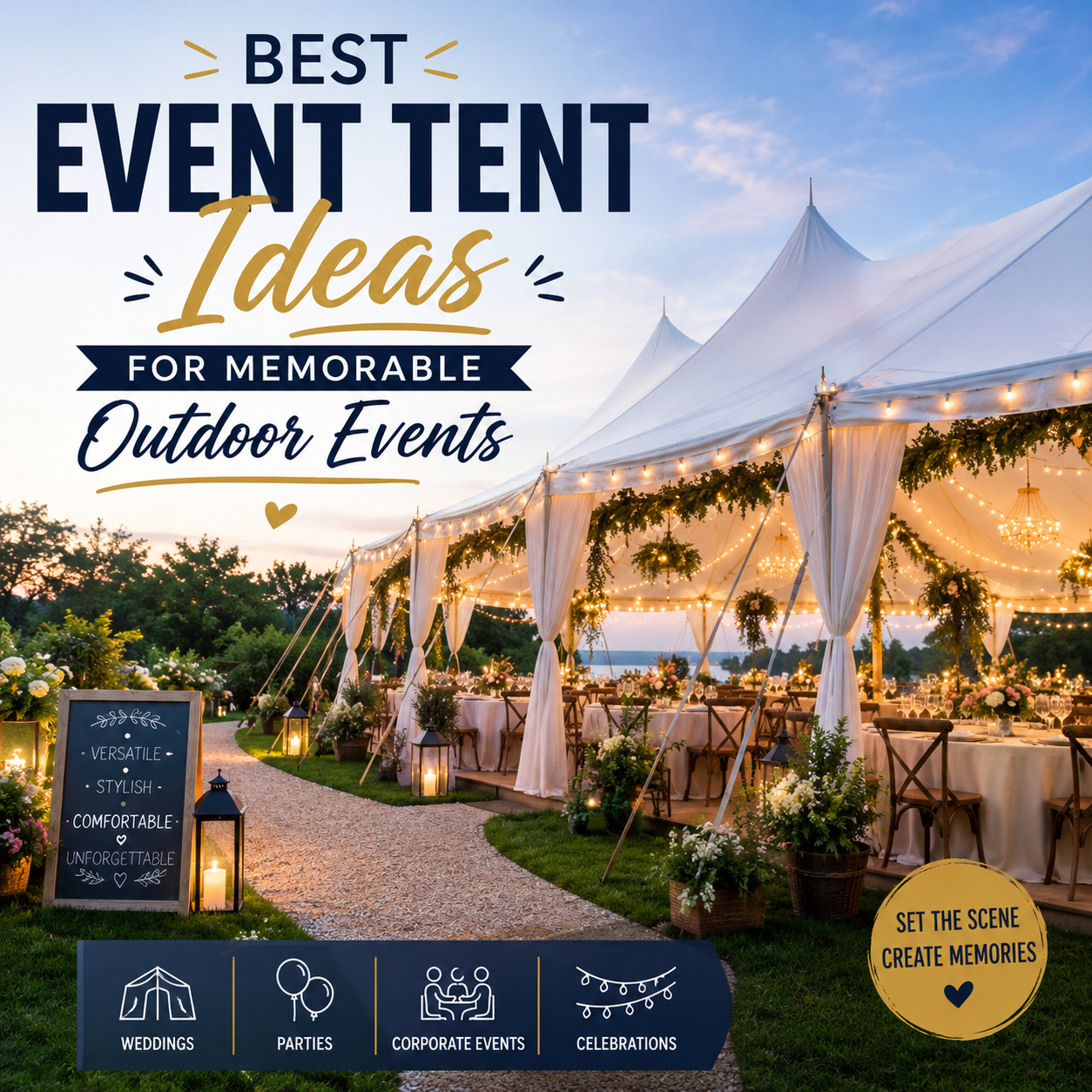
Event Tent: The Complete Guide to Choosing, Planning, and Using the Right Tent
An event tent can transform an ordinary outdoor space into a polished, weather-ready venue. Whether you are organizing a wedding, corporate gathering, festival, fundraiser, exhibition, or private celebration, the right tent creates structure, comfort, and visual appeal while protecting guests from sun, wind, and rain.
But choosing an event tent is not as simple as picking a size and placing an order. There are many styles, materials, layout options, and planning details to consider. The tent needs to fit your guest count, support your event design, comply with safety requirements, and work with the site conditions.
This guide covers everything you need to know about event tents, from types and sizes to setup planning, accessories, and practical tips that help make your event run smoothly.
What Is an Event Tent?
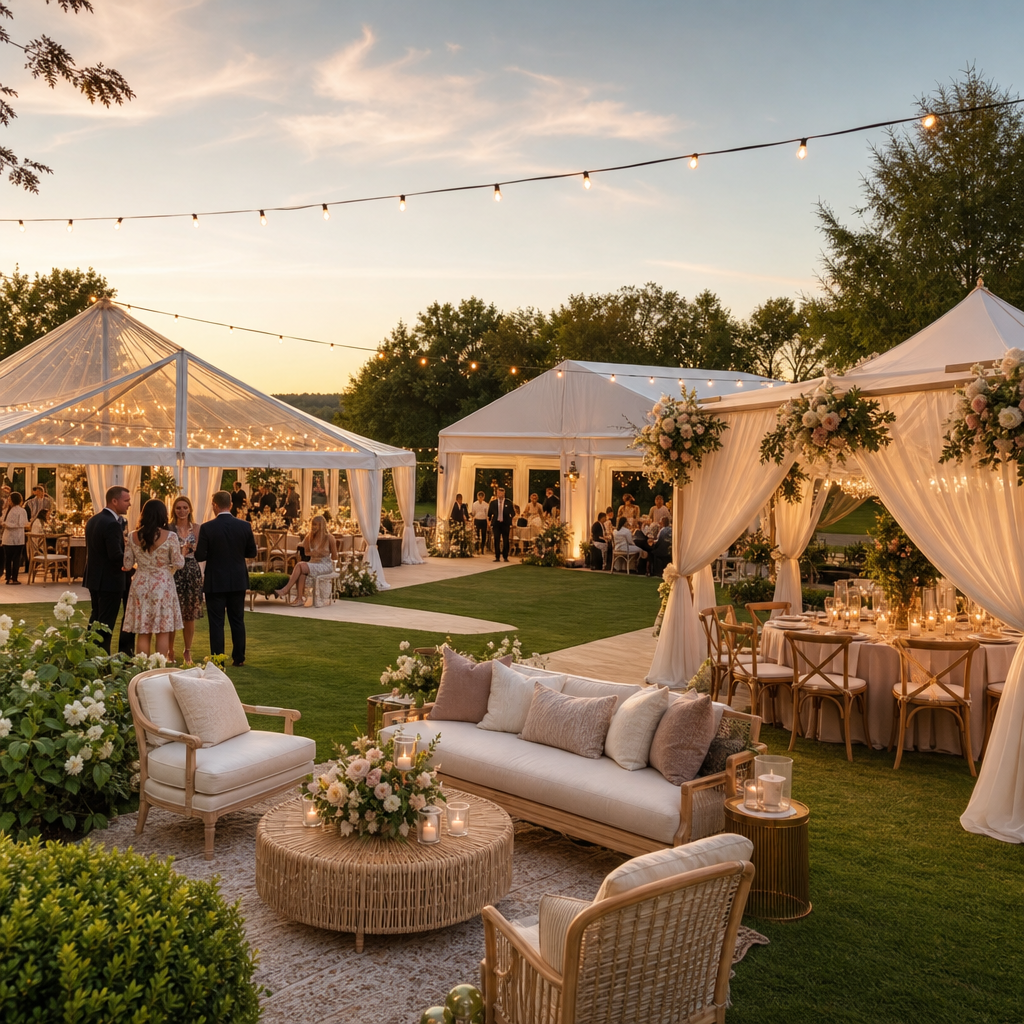
An event tent is a temporary structure used to host gatherings outdoors. Unlike a basic canopy or shade cover, an event tent is typically designed to accommodate people, furnishings, lighting, flooring, décor, and sometimes catering or staging equipment.
Event tents are used for many occasions, including:
- Weddings
- Corporate meetings and brand activations
- Birthday parties and private celebrations
- Festivals and fairs
- Community events
- Fundraisers and galas
- Trade shows and exhibitions
- Sporting events and hospitality lounges
A well-chosen tent does more than provide shelter. It defines the event space, improves guest comfort, and creates a controlled environment that can be customized to match the occasion.
Why Event Tents Matter
Outdoor events offer flexibility and atmosphere, but they also come with challenges. Weather changes, uneven ground, lighting limitations, and limited infrastructure can all create problems. An event tent helps solve these issues.
Key benefits of using an event tent
- Weather protection: Shields guests and equipment from sun, rain, and light wind
- Space control: Creates a defined venue in open outdoor areas
- Design flexibility: Can be customized with lighting, draping, flooring, and décor
- Guest comfort: Helps regulate shade, airflow, and protected seating
- Professional appearance: Gives events a more organized and upscale feel
- Multi-use capability: Works for small private gatherings or large public events
For planners, a tent also offers more freedom. You are not limited by a permanent venue’s layout, decor, or schedule. You can build the event environment from the ground up.
Common Types of Event Tents
There are several tent styles available, each with its own strengths. The best choice depends on the type of event, the site, the budget, and the overall look you want to achieve.
Pole tents
Pole tents use center poles and tensioned fabric supported by stakes. They are popular for weddings and elegant outdoor events because of their high peaks and classic shape.
Pros:
- Attractive, traditional appearance
- Good for large open areas
- Often more affordable than frame tents
Cons:
- Requires staking into the ground
- Center poles can interrupt interior layout
- Needs enough open space for installation
Frame tents
Frame tents are supported by a rigid metal frame rather than center poles. They can be installed on grass, pavement, or other surfaces, making them highly versatile.
Pros:
- No center poles inside the tent
- Can be installed on many surface types
- Flexible layout for furniture and staging
Cons:
- May cost more than simpler tent styles
- Requires more setup labor and hardware
Clear-top tents
Clear-top tents use transparent or semi-transparent roof panels that allow natural light to enter and create a dramatic look.
Pros:
- Elegant, modern appearance
- Beautiful for evening events with lighting
- Lets in daylight during daytime events
Cons:
- Can heat up more quickly in direct sun
- Shows dirt and condensation more easily
- Often more expensive
Sailcloth tents
Sailcloth tents are known for their soft curves and translucent fabric. They are especially popular for upscale weddings and luxury outdoor gatherings.
Pros:
- Beautiful aesthetic
- Natural light filters through softly
- Works well with scenic outdoor settings
Cons:
- Typically higher cost
- Best suited to premium events
- May offer less flexibility for certain layouts
High peak tents
High peak tents feature tall, pointed peaks that create a striking visual statement. They are often used for formal events, festivals, and brand activations.
Pros:
- Eye-catching design
- Strong visual height
- Suitable for branding and decorative lighting
Cons:
- Layout depends on pole placement in some versions
- May require more vertical clearance
Canopy tents
Canopy tents are simpler structures often used for casual gatherings, vendor booths, or small events.
Pros:
- Budget-friendly
- Quick to set up
- Good for short-term use
Cons:
- Less weather protection
- Usually not ideal for upscale events
- Limited capacity and customization
How to Choose the Right Event Tent
Selecting the right event tent starts with understanding your event goals and site requirements. A tent should support both the practical and aesthetic side of the event.
1. Consider the type of event
The nature of the event determines the structure you need.
- Wedding: Often calls for elegant styles like sailcloth, pole, or clear-top tents
- Corporate event: May require a frame tent or clear-top tent with room for branding, presentations, and networking
- Festival or fair: Needs a durable, scalable tent with flexible entry points and vendor coverage
- Private party: Smaller frame or canopy tents may be sufficient
- Fundraiser or gala: May benefit from a premium tent with flooring, lighting, and climate control
2. Estimate your guest count
Guest count is one of the biggest factors in tent selection. You need enough room for seating, walkways, tables, entertainment, and service areas.
A rough planning approach:
- Standing reception: less space per guest
- Seated dinner: more space per guest
- Event with stage or dance floor: even more room needed
- Mixed-use event: requires flexible zoning inside the tent
Do not forget to account for extras such as buffet tables, bars, speakers, AV equipment, gift tables, or lounge furniture.
3. Evaluate the site
Before choosing a tent, review the event location carefully.
Ask:
- Is the ground level or sloped?
- Is the surface grass, asphalt, concrete, gravel, or sand?
- Are there trees, power lines, buildings, or underground utilities?
- Is there enough space for installation, access, and anchoring?
- Will vehicles or delivery trucks need access?
The site determines whether you need staking, weighted anchoring, flooring, or special permits.
4. Think about weather conditions
Weather is a major reason for renting or buying an event tent. However, not all tents handle every condition equally.
Consider:
- Sun exposure and heat
- Rain and drainage
- Wind exposure
- Evening temperature drops
- Seasonal conditions
- Humidity and ventilation
A tent alone may not be enough. You may also need sidewalls, fans, heaters, or climate control systems depending on the weather and event timing.
5. Match the tent to your budget
The tent style, size, and accessories all affect cost. A simple canopy may be affordable, while a large clear-top tent with flooring and lighting can be significantly more expensive.
Your budget should include:
- Tent rental or purchase
- Delivery and installation
- Permits
- Flooring
- Lighting
- Sidewalls
- Heating or cooling
- Décor and furniture
- Cleanup and removal
A well-planned budget helps you choose the most effective tent without overspending on unnecessary extras.
Understanding Event Tent Sizes
Choosing the correct size is essential. A tent that is too small feels crowded and uncomfortable. A tent that is too large may look empty and increase costs unnecessarily.
Space planning basics
You need to plan for more than just guest seating. A complete tent layout may include:
- Entry and exit space
- Dining tables and chairs
- Buffet or catering areas
- Dance floor
- Stage or podium
- Bar area
- Lounge seating
- Restroom access zones
- Vendor or display space
- Aisles and walkways
General sizing considerations
The amount of space required depends on the event format:
- Cocktail-style event: less seating, more standing space
- Seated dinner: more space per person
- Theater-style setup: rows of chairs only
- Conference or training: tables plus aisle access
- Mixed-use event: multiple functional zones
Always allow a buffer for movement and service. Guests should be able to walk comfortably without bumping into chairs, tables, or walls.
Essential Event Tent Accessories
An event tent becomes much more functional when paired with the right accessories. These extras can improve comfort, appearance, and safety.
Flooring
Flooring creates a stable, level surface that improves comfort and protects shoes, furniture, and equipment. It is especially important on uneven ground or soft terrain.
Types include:
- Interlocking panels
- Temporary wood floors
- Carpeted flooring
- Dance floors
Sidewalls
Sidewalls help protect against wind, rain, and sun while adding privacy. They can be solid, clear, or windowed.
Common uses:
- Weather protection
- Temperature control
- Event privacy
- Visual framing
Lighting
Lighting is one of the most important event tent accessories. It sets the mood and ensures safety after dark.
Popular options:
- String lights
- Chandeliers
- Lanterns
- Uplighting
- Spotlights
- LED fixtures
Heating and cooling
Depending on the season, your guests may need more than shade or shelter.
Options include:
- Patio heaters
- Forced-air heaters
- Fans
- Misting systems
- Portable air conditioning
Entrance features
Entry points help make the tent feel more polished and functional.
Examples include:
- Fabric draping
- Decorated entry arches
- Clear doors
- Welcome signage
- Flooring transitions
Furniture and décor
The tent should support the event’s visual style and use. Furniture and décor help define the mood.
Examples:
- Banquet tables
- Cocktail tables
- Lounge seating
- Bars
- Stage risers
- Floral arrangements
- Linens and drapery
Event Tent Setup Planning
A successful event tent installation starts long before the tent arrives. Planning ahead reduces delays and helps avoid costly mistakes.
Start with a site visit
Inspect the venue in person if possible. Take measurements, photos, and notes on terrain, access routes, and utilities. This helps with planning the tent layout and identifying potential issues early.
Check permit and safety requirements
Many locations require permits for temporary structures. Rules may apply to:
- Tent size
- Occupancy limits
- Fire safety
- Emergency exits
- Electrical setup
- Anchoring methods
If the event is large, local authorities may also require inspections or emergency plans.
Plan for power needs
Lighting, sound systems, catering equipment, heaters, and AV gear all require power. Determine in advance:
- How much power is needed
- Where power will come from
- Whether generators are necessary
- How cables will be routed safely
Power planning is one of the most common oversights in event tent setups.
Create a floor plan
A floor plan helps you visualize how guests and vendors will move through the tent. Include:
- Tables and seating
- Buffet or food service area
- Bar placement
- Stage or speaker area
- Dance floor
- Entrance and exit paths
- Emergency access
A clear layout prevents bottlenecks and improves the guest experience.
Safety Considerations for Event Tents
Safety should always be a top priority when using an event tent. Temporary structures must be installed correctly and monitored throughout the event.
Anchoring matters
A tent must be secured according to site conditions and manufacturer or rental company standards. Improper anchoring can lead to instability, especially in windy conditions.
Fire safety
If guests will be inside the tent, consider fire safety requirements such as:
- Flame-retardant tent fabric
- Safe placement of heaters and cooking equipment
- Clearly marked exits
- Fire extinguishers
- Proper wiring for lights and electronics
Weather monitoring
Outdoor conditions can change quickly. Assign someone to monitor the weather before and during the event.
Watch for:
- Wind
- Heavy rain
- Lightning
- Heat stress
- Flooding risks
Clear exits and pathways
Emergency exits and guest walkways must stay unobstructed. Avoid placing décor, cables, or furniture in areas that could create trip hazards or block movement.
Event Tent Design Tips
A tent does not need to look plain or temporary. With thoughtful design, it can become an impressive focal point for the event.
Use lighting to set the mood
Lighting can completely change the atmosphere. Warm bulbs create a romantic look, while brighter white lights support corporate or exhibition settings.
Layer textures and materials
Draping, linens, rugs, and furniture upholstery help soften the tent interior and create depth.
Match the tent to the event theme
For example:
- A wedding tent might use soft draping, floral centerpieces, and chandeliers
- A brand event might use bold signage, accent lighting, and clean modern furniture
- A festival tent might focus on durable, functional layout and visible wayfinding
Keep circulation in mind
Beautiful design should never interfere with guest movement. Make sure décor enhances the tent rather than crowding it.
Renting vs. Buying an Event Tent
Some organizations rent event tents for occasional use, while others buy them for repeated events.
Renting an event tent
Best for:
- Weddings
- Seasonal events
- One-time gatherings
- Limited storage space
Advantages:
- Lower upfront cost
- Professional installation included
- Access to many tent styles
- No long-term storage concerns
Buying an event tent
Best for:
- Event companies
- Festivals
- Venue operators
- Businesses that host repeated outdoor functions
Advantages:
- Long-term investment
- More control over availability
- Potential savings over time
Challenges:
- Storage requirements
- Maintenance responsibilities
- Transport and setup logistics
If you host events regularly, ownership may make sense. If your events are infrequent or vary widely in size, renting is often the better choice.
How to Work With a Tent Rental Company
A good rental company can simplify the process and help you avoid common problems.
Ask the right questions
Before booking, ask:
- What tent sizes and styles do you offer?
- Is installation included?
- What surfaces can the tent be installed on?
- Do you provide flooring, lighting, and sidewalls?
- What weather conditions are the tents rated for?
- Do you handle permits or inspections?
- What is the cancellation or weather policy?
Share complete event details
The more information you provide, the better the rental company can recommend the right setup. Be ready to share:
- Guest count
- Event type
- Venue address
- Event date and timeline
- Layout needs
- Power access
- Surface type
- Weather concerns
Review the contract carefully
Make sure you understand:
- Pricing
- Setup and breakdown times
- Damage policies
- Insurance requirements
- Overages or late fees
- Cancellation terms
Clear communication helps prevent surprises on event day.
Common Mistakes to Avoid
Even experienced planners can run into issues with event tents. Avoid these common mistakes:
- Choosing a tent that is too small
- Forgetting to account for furniture and walkways
- Ignoring wind, heat, or rain conditions
- Failing to plan power and lighting
- Overlooking permits or safety requirements
- Not checking ground conditions
- Skipping a detailed floor plan
- Waiting too long to book during peak season
The best way to avoid problems is to plan early and work from a complete checklist.
Final Thoughts
An event tent is much more than a temporary cover. It is the foundation of a flexible, comfortable, and visually appealing outdoor event. The right tent helps define the space, protect guests from the elements, and support everything from dining and entertainment to branding and ambiance.
By considering the event type, guest count, site conditions, weather, and budget, you can select a tent that fits both practical needs and design goals. Add the right accessories, create a thoughtful floor plan, and prioritize safety, and your event will be set up for success.
Whether you are planning an intimate celebration or a large-scale public gathering, the right event tent can turn an open area into a memorable venue.





Add comment