
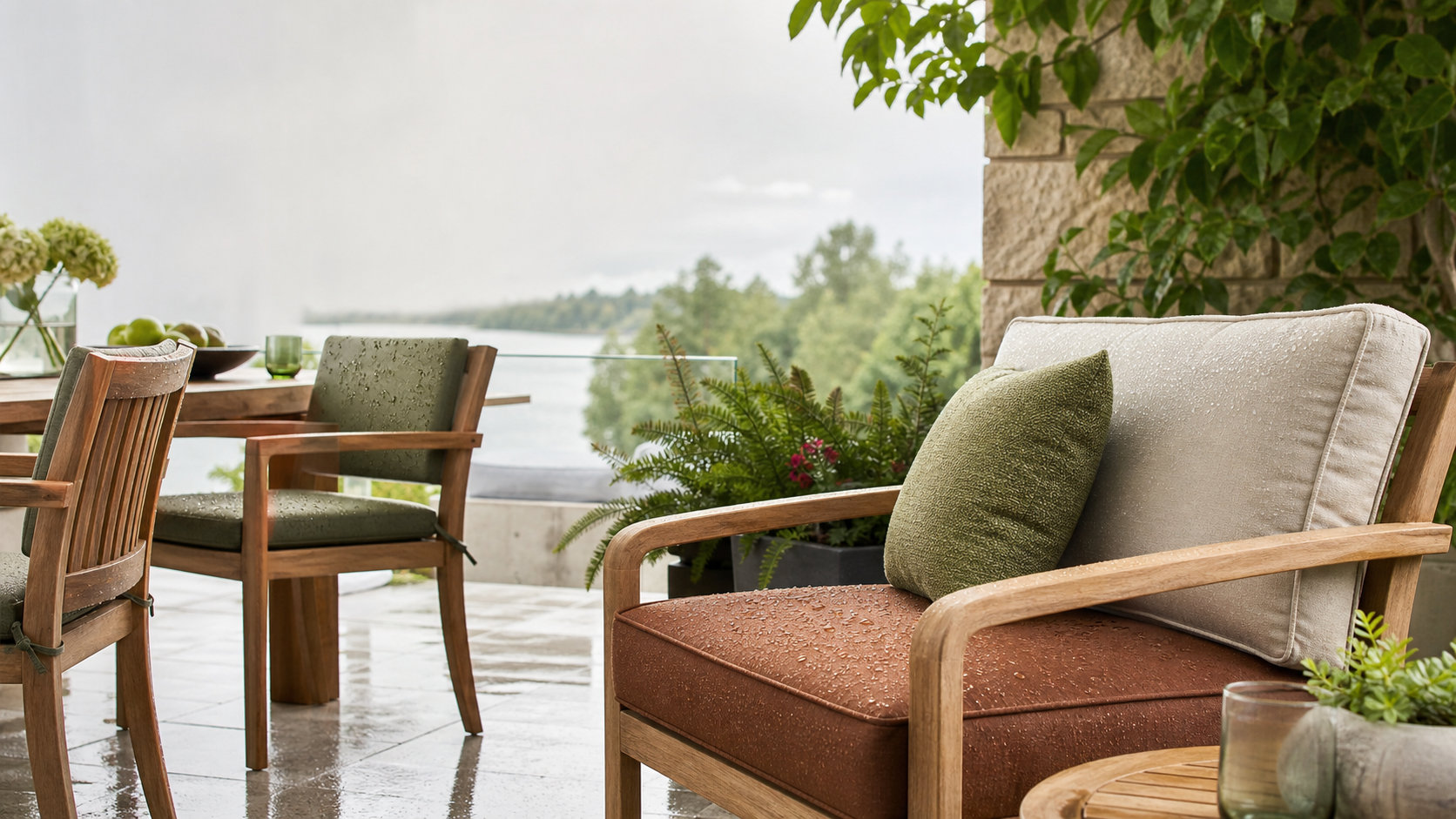
Outdoor Seat Cushion Waterproof performance is all about how the cover, seams, and inner filling work together to resist moisture from rain, spills, and humid air. A cushion can be labeled “waterproof,” yet still let water in through zippers, weak seams, or absorbent foam. In this guide, you’ll learn what to look for, how to choose the right style for your patio setup, and how to care for outdoor cushions so they dry properly between uses.
Table of Contents
- What Is a Waterproof Outdoor Seat Cushion?
- Why Choose a Waterproof Outdoor Seat Cushion?
- What Makes an Outdoor Seat Cushion Truly Waterproof?
- How to Choose the Right Waterproof Outdoor Seat Cushion
- Are Waterproof Outdoor Cushions Completely Rainproof?
- How to Keep a Waterproof Outdoor Seat Cushion Dry
- How to Clean a Waterproof Outdoor Seat Cushion
- How Can You Prevent Mold and Mildew?
- Waterproof Versus Water-Resistant: Which Should You Buy?
- Common Mistakes to Avoid
- Frequently Asked Questions
- Final Buying Checklist
What Is a Waterproof Outdoor Seat Cushion?
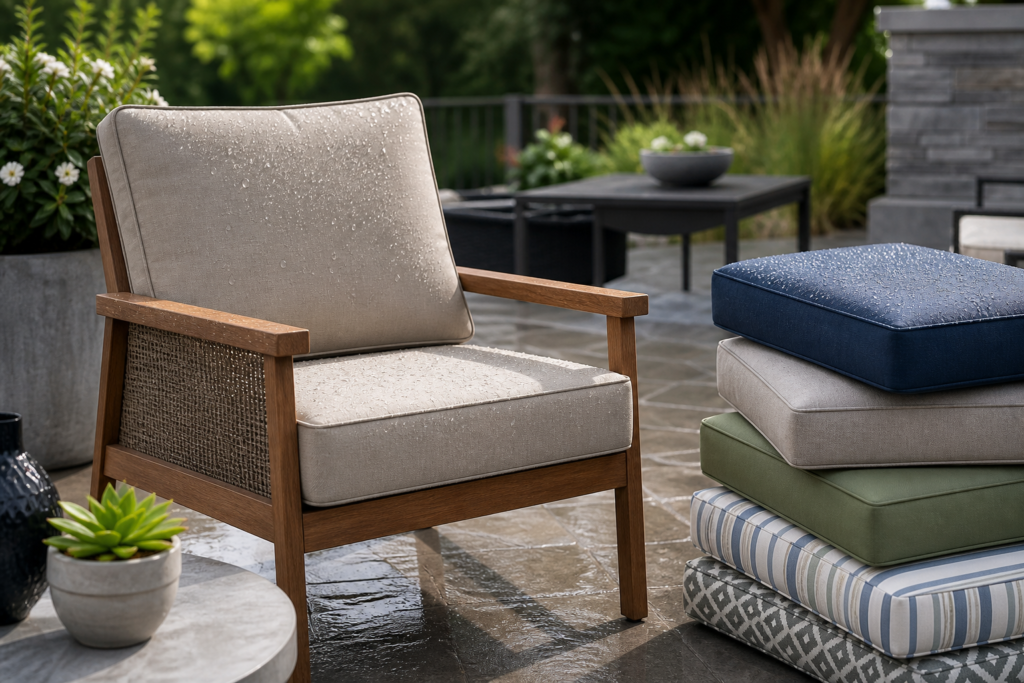
A waterproof outdoor seat cushion is designed to prevent water from soaking through the cover and reaching the inner filling. It typically uses water-resistant or waterproof fabric, sealed seams, protective coatings, and moisture-resistant foam.
It is important to understand the difference between these terms:
- Water-resistant: Repels some moisture but may eventually absorb water during heavy rain or prolonged exposure.
- Water-repellent: Causes water to bead and roll off the surface, usually through a fabric treatment.
- Waterproof: Provides a higher level of protection against water penetration, especially when the cover has sealed seams and a waterproof backing.
- Quick-drying: Allows water to drain or evaporate rapidly, reducing dampness even if the cushion becomes wet.
For most patios and gardens, the best option is a cushion with a waterproof or highly water-resistant cover combined with quick-drying filling.
Why Choose a Waterproof Outdoor Seat Cushion?
Outdoor furniture is exposed to changing weather conditions, including rain, humidity, morning dew, and accidental spills. A waterproof outdoor seat cushion offers several practical benefits, especially when you want consistent comfort across seasons.
Protection From Rain and Spills with Outdoor Seat Cushion Waterproof Features
A waterproof cover helps stop rain, drinks, food, and pool water from soaking into the cushion. This can reduce stains, odors, mildew, and premature wear—common issues when an outdoor seat cushion waterproof design isn’t matched to the actual exposure level.
Improved Outdoor Comfort
Hard metal, plastic, or wooden seats can become uncomfortable during extended use. A padded outdoor seat cushion provides support and makes patios, porches, balconies, and garden seating more inviting.
Easier Cleaning
Most outdoor cushions use fabrics that can be wiped clean with mild soap and water. Removable covers are especially convenient because they can often be machine-washed according to the care instructions.
Longer Furniture Life
A cushion can also protect the original surface of a chair or bench from scratches, dirt, and moisture. This is useful for both new and older outdoor furniture.
What Makes an Outdoor Seat Cushion Truly Waterproof?
Several construction features determine how well a cushion handles wet weather. If you want reliable outdoor seat cushion waterproof performance, focus on the following details instead of the label alone.
Waterproof or Coated Fabric
Common outdoor cushion fabrics include polyester, acrylic, olefin, and solution-dyed fabrics. A waterproof coating or laminated backing provides additional protection that helps prevent water from reaching the inner layers.
A good outdoor cushion cover should resist fading as well as moisture. UV-resistant fabric is especially important for furniture placed in direct sunlight.
Sealed or Reinforced Seams
Water can enter through stitching even when the main fabric is waterproof. Look for reinforced seams, water-resistant thread, or seam sealing if the cushion will be exposed to frequent rain.
Water-Resistant Zippers
A zipper can become a weak point in an otherwise waterproof cushion. Covered, protected, or water-resistant zippers help prevent moisture from entering through the closure—an important detail for outdoor seat cushion waterproof designs with removable covers.
Quick-Drying Filling
The inner material affects comfort and drying time. Common choices include:
- Polyester fiberfill: Lightweight and soft, but may retain water if heavily saturated.
- Polyurethane foam: Comfortable and supportive, but standard foam can take a long time to dry.
- Open-cell foam: Allows air and water to move through more easily, making it suitable for wet environments.
- Reticulated foam: A highly breathable, quick-draining foam often used in premium outdoor cushions.
For locations with frequent rain, quick-drying foam is usually a better choice than ordinary indoor cushion foam.
Secure Fasteners
Ties, straps, hook-and-loop fasteners, and non-slip backing keep the cushion in place during wind and daily use. Secure fasteners also help prevent the cushion from sliding on smooth plastic or metal chairs. When the cushion stays correctly positioned, water doesn’t pool in corners as easily.
Ventilation and Drainage Pathways
Even the best outdoor seat cushion waterproof materials work better when water can move away from the cushion. Look for construction that reduces trapped moisture, such as breathable linings, drainage-friendly foam designs, and covers that don’t hold water against the filling.
How to Choose the Right Waterproof Outdoor Seat Cushion
The best cushion depends on your furniture, climate, and maintenance preferences. Use these steps to match your outdoor seating needs with true waterproof outdoor seat cushion performance.
Measure the Seat Carefully
Before buying, measure the chair or bench seat. Check:
- Width
- Depth
- Cushion thickness
- Corner shape
- Backrest clearance
- Tie or strap placement
A cushion that is too large may fold or slide, while one that is too small can leave uncomfortable gaps. For bench cushions, measure the complete seating area rather than relying only on the furniture’s listed dimensions.
Consider the Weather Exposure
Think about where the cushion will be used:
- Covered porch: Water-resistant fabric may be sufficient.
- Open patio: Choose waterproof fabric, durable seams, and quick-drying filling for stronger outdoor seat cushion waterproof protection.
- Poolside: Look for chlorine-resistant, mildew-resistant, and fast-drying materials.
- Coastal area: Select UV-resistant and corrosion-conscious materials that can handle salt air.
- Cold or wet climate: Prioritize drainage, removable covers, and storage options.
No cushion should be expected to remain fully dry indefinitely in severe weather. Even high-quality outdoor seat cushion waterproof cushions last longer when stored or covered during extended rain.
Select an Appropriate Thickness
A thicker cushion may provide greater comfort, but thickness is not the only factor. Supportive foam often feels better than a very thick cushion made from low-density filling.
For dining chairs, a cushion around 2 to 4 inches thick is often comfortable without raising the seating height too much. Lounge chairs and deep seats may require thicker padding.
Look for UV and Mildew Resistance
Moisture is only one outdoor concern. Sunlight can fade or weaken fabric, while trapped humidity can encourage mildew. Look for descriptions such as:
- UV resistant
- Fade resistant
- Mildew resistant
- Mold resistant
- Solution dyed
- Outdoor rated
These features are particularly valuable when cushions remain outside for long periods and when your outdoor seat cushion waterproof needs include day-to-day sunlight exposure.
Choose a Style That Suits the Furniture
Waterproof outdoor seat cushions are available in many colors, patterns, and shapes. Neutral colors can hide light dirt and coordinate with most furniture, while brighter patterns can add visual interest to a patio.
For a polished appearance, match the cushion shape to the seat. Square cushions suit many dining chairs, while rounded corners or contoured cushions may fit Adirondack chairs and curved benches more comfortably.
For more ideas on enhancing outdoor seating comfort, check our Outdoor Patio Cushions That Instantly Upgrade Comfort guide.
Are Waterproof Outdoor Cushions Completely Rainproof?
Not always. The word “waterproof” can describe the outer fabric without guaranteeing that the entire cushion is designed for continuous outdoor exposure. Even an outdoor seat cushion waterproof setup can get wet if water finds an entry point.
A cushion may still become wet when:
- Rain enters through the zipper or seams
- Water collects underneath the cushion
- The fabric coating wears away
- The cushion remains outside during heavy storms
- The inner filling absorbs moisture
- The cushion is placed directly on wet ground
For better protection, select a cushion with a waterproof cover, sealed or reinforced seams, quick-drying filling, and proper ventilation. Store cushions upright or in a dry storage box when severe weather is expected.
How to Keep a Waterproof Outdoor Seat Cushion Dry
Proper handling can significantly extend cushion life, even for the best outdoor seat cushion waterproof options.
Remove Standing Water
After rain, tilt the cushion so water can drain rather than allowing it to sit flat. Avoid using the cushion while the inner filling is still damp.
Air-Dry Thoroughly
Place the cushion in a well-ventilated area and allow both sides to dry. Do not store it in a closed container while damp, as trapped moisture can cause odors and mildew.
Use a Protective Cover
A weatherproof furniture cover adds an extra layer of protection. Make sure air can circulate underneath the cover to reduce condensation. A cover helps reduce how often your outdoor seat cushion waterproof material is directly exposed to wet conditions.
Store During Long Periods of Bad Weather
If possible, move cushions to a shed, garage, deck box, or indoor storage area during extended rain, snow, or freezing temperatures. Treat your outdoor seat cushion waterproof cushions like performance gear: storage between storms prevents unnecessary saturation.
Avoid Placing Cushions on Wet Surfaces
Even waterproof covers can be overwhelmed if the cushion sits on puddles or damp deck boards. Use a dry surface, or elevate cushions slightly using breathable covers or placement mats.
Keep Furniture Legs and Supports Dry
Water often transfers from chair legs and frames onto cushions. Wipe down contact points, and check that frame hardware isn’t holding water that can drip onto the seat.
How to Clean a Waterproof Outdoor Seat Cushion
Always check the manufacturer’s care label first. In general, regular cleaning can be done with the following steps:
- Remove loose dirt with a brush or vacuum.
- Mix mild soap with lukewarm water.
- Wipe or gently scrub the fabric.
- Rinse with clean water without saturating the cushion unnecessarily.
- Allow the cushion to dry completely in a ventilated place.
Avoid bleach, harsh solvents, and abrasive brushes unless the manufacturer specifically allows them. Strong chemicals may damage waterproof coatings or cause fabric discoloration.
For removable covers, follow the washing instructions carefully. Do not put a cover in a dryer unless the care label permits it, because high heat can shrink fabric or damage protective treatments. When you protect the outdoor seat cushion waterproof layer, you help maintain its water repellency over time.
How Can You Prevent Mold and Mildew?
Mold and mildew usually develop when moisture remains trapped inside the cushion. To reduce the risk—especially if your outdoor seat cushion waterproof design gets damp—follow these habits.
- Dry cushions promptly after rain.
- Do not place wet cushions in plastic bags.
- Keep cushions elevated from damp surfaces.
- Clean dirt and organic debris regularly.
- Improve ventilation in storage areas.
- Use a breathable storage container or cushion bag.
- Treat small mildew spots according to the manufacturer’s instructions.
A mildew-resistant fabric helps, but it does not eliminate the need for proper drying and storage.
If you notice musty odors after damp weather, thoroughly air-dry the cushion before storing it again. That drying step often matters more than the product you use.
Waterproof Versus Water-Resistant: Which Should You Buy?
The right choice depends on how much exposure the cushion will receive.
Choose a water-resistant cushion when:
- The seating is under a roof or awning.
- The cushion is removed after use.
- Your area receives limited rainfall.
- You prefer a lighter, more breathable fabric.
Choose a waterproof outdoor seat cushion when:
- The furniture is fully exposed.
- Rain and spills are common.
- The cushion will be used near a pool.
- You need stronger protection and easier maintenance.
- The cushion may remain outdoors for several hours or days.
For maximum performance, combine waterproof fabric with quick-drying interior foam rather than relying on the cover alone. This approach supports better outdoor seat cushion waterproof results in real-world use.
Common Mistakes to Avoid
Buying Without Measuring
A cushion that does not fit correctly may slide, bunch up, or leave parts of the seat exposed.
Assuming Every “Outdoor” Cushion Is Waterproof
Some outdoor cushions resist UV damage but are only water-resistant. Read the product specifications carefully, especially if your goal is reliable outdoor seat cushion waterproof protection.
Ignoring the Filling
A waterproof cover cannot prevent long drying times if the inner material absorbs a lot of water.
Leaving Cushions in Standing Water
Even durable outdoor cushions can deteriorate when constantly exposed to pooled moisture. That kind of exposure can overwhelm any outdoor seat cushion waterproof design.
Storing Cushions While Damp
This is one of the fastest ways to create musty smells and mildew. Drying fully before storage is essential for preventing long-term damage.
Using Indoor Cushions Outside
Indoor fabrics and foam are generally not designed for UV exposure, rain, or fluctuating humidity. They can fade, break down, and develop odors quickly.
Frequently Asked Questions
Can a waterproof outdoor seat cushion stay outside all year?
Some can tolerate regular outdoor use, but year-round exposure will shorten the life of any cushion. Storing or covering it during heavy rain, snow, freezing weather, and long periods of non-use provides better protection for your outdoor seat cushion waterproof setup.
Are waterproof cushions comfortable?
Yes. Waterproof cushions can be highly comfortable when they use supportive foam, adequate thickness, and breathable construction. Waterproofing affects the cover and moisture protection, not necessarily softness.
Do waterproof cushions prevent mildew?
They help reduce moisture absorption, but they do not guarantee mildew prevention. Mildew can still develop if water becomes trapped inside or the cushion is stored while damp.
Can waterproof cushion covers be washed?
Many removable covers can be washed, but care instructions vary. Check the label before machine washing, drying, ironing, or using cleaning chemicals.
What is the best filling for a rainy climate?
Open-cell or reticulated quick-drying foam is often the best option for wet climates. These materials allow water and air to pass through more easily than conventional foam, which supports outdoor seat cushion waterproof performance after storms.
How do I stop an outdoor cushion from sliding?
Use attached ties, straps, non-slip backing, or a cushion designed specifically for your furniture. Correct sizing also helps keep the cushion stable.
Can I waterproof an existing outdoor cushion?
You can apply a fabric water-repellent treatment to some outdoor fabrics, but this may not make the entire cushion waterproof. It cannot fully protect weak seams, zippers, or absorbent filling.
Final Buying Checklist
Before purchasing an outdoor seat cushion waterproof option, confirm that it includes:
- Correct dimensions for the furniture
- Waterproof or highly water-resistant fabric
- UV and fade resistance
- Mildew-resistant materials
- Reinforced or sealed seams
- Protected zippers
- Quick-drying filling
- Secure ties or non-slip backing
- Removable, washable cover
- A care and storage plan
The best outdoor seat cushion waterproof cushions combine reliable moisture protection with comfortable support, durable fabric, and easy maintenance. By choosing the right materials and keeping the cushion dry between uses, you can enjoy comfortable outdoor seating for many seasons.
For additional guidance on selecting cushions that enhance your outdoor space, visit our detailed Outdoor Patio Seat Cushions: Best Comfort & Style Guide for Patios.
For more information on protecting outdoor furniture materials and reducing the impact of moisture, the EPA’s guide on environmentally friendly outdoor furniture offers helpful background.
If you want a quick starting point for different styles and comfort needs, browse Best Outdoor Cushions and Pillows for Instant Comfort.





Add comment