
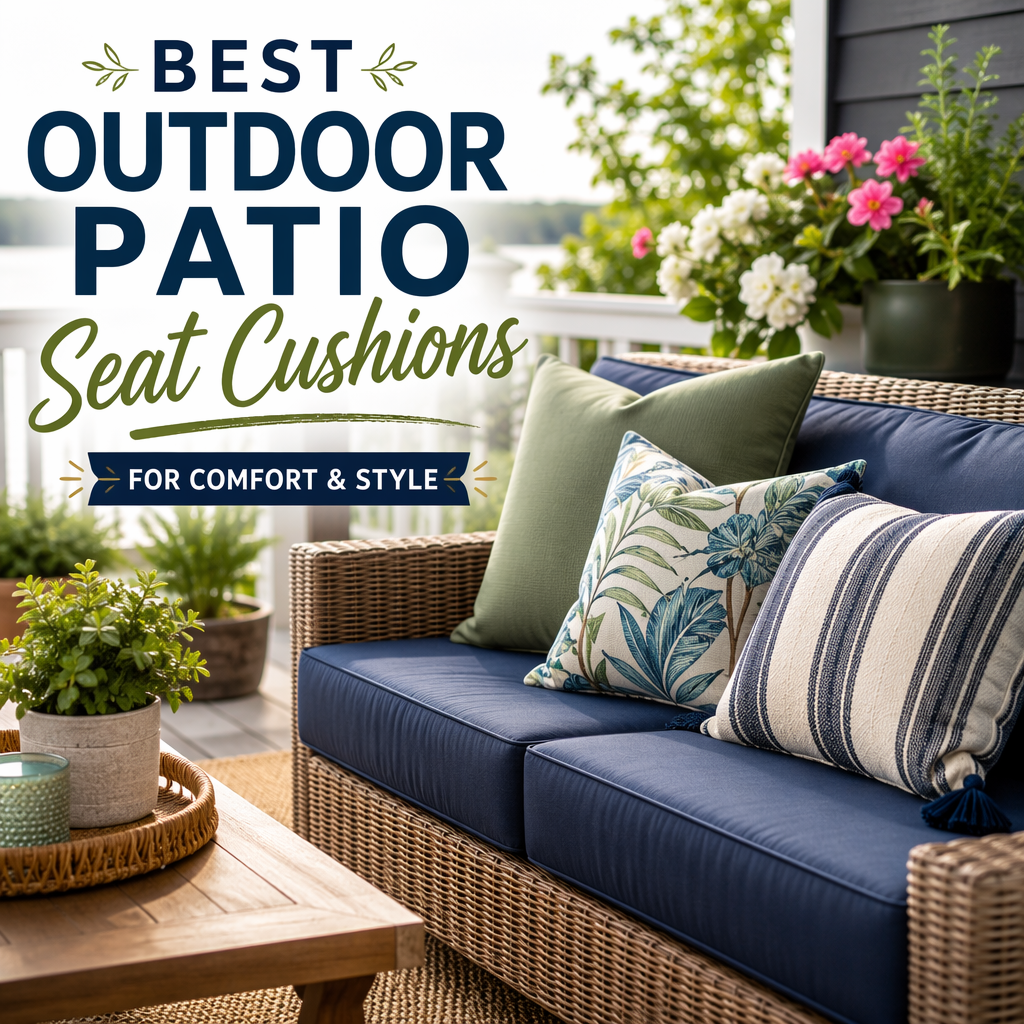
Outdoor Patio Seat Cushions can transform hard outdoor seating into a comfortable spot for everyday meals, weekend lounging, and entertaining. The right cushion materials, size, and care features help cushions resist sunlight, moisture, temperature changes, and regular use—so they stay supportive instead of flattening, fading, or developing mildew.
This guide walks you through choosing outdoor patio seat cushions for dining chairs, lounge seating, benches, and custom patio setups. You’ll learn what to look for in thickness, filling, fabrics, weather protection, and cleaning routines—plus practical tips to keep cushions from sliding and to extend their lifespan.
- What Are Outdoor Patio Seat Cushions?
- How to Choose the Best Outdoor Patio Seat Cushions
- Which Fabrics Are Best for Outdoor Patio Seat Cushions?
- Water-Resistant vs. Waterproof Patio Cushions
- How to Keep Outdoor Patio Seat Cushions from Sliding
- How to Clean Outdoor Patio Seat Cushions
- How to Protect Outdoor Patio Seat Cushions
- What Colors Work Best Outdoors?
- Custom vs. Ready-Made Outdoor Patio Seat Cushions
- Are Expensive Outdoor Cushions Worth It?
- How Long Do Outdoor Patio Seat Cushions Last?
- Frequently Asked Questions
- Final Buying Checklist
What Are Outdoor Patio Seat Cushions?
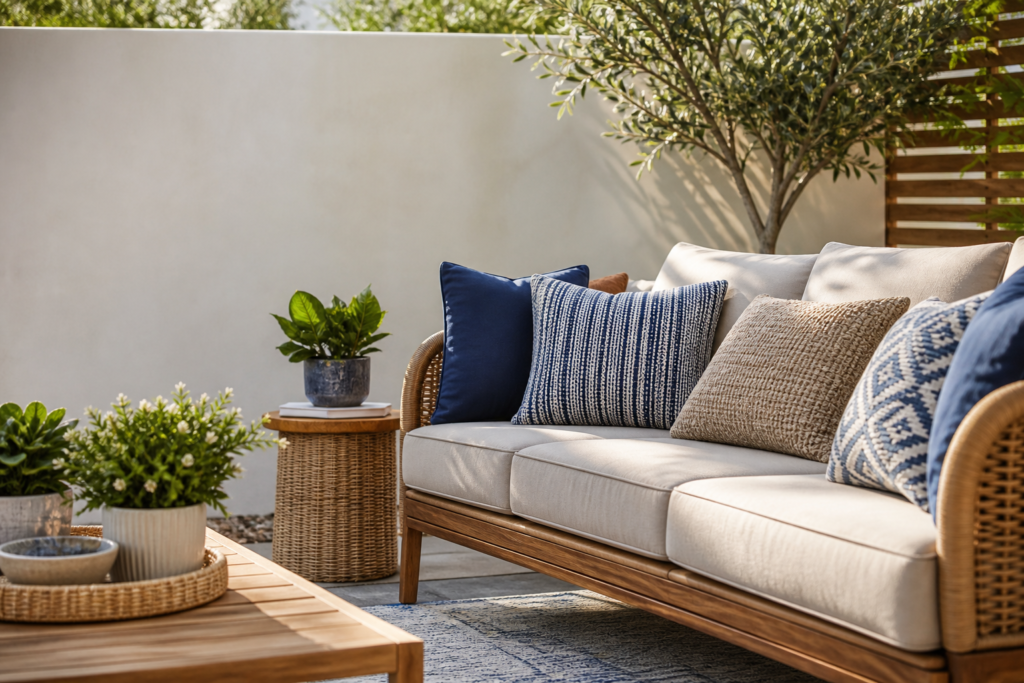
Outdoor Patio Seat Cushions are padded cushions made specifically for exterior furniture. They’re commonly used on patio dining chairs, lounge chairs, benches, bistro sets, and other outdoor seating.
Unlike many indoor cushions, outdoor patio seat cushions typically feature:
- Weather-resistant fabrics
- UV-resistant color treatments
- Quick-drying foam or polyester filling
- Water-resistant or water-repellent covers
- Durable stitching and reinforced seams
- Removable covers for easier cleaning
Even the best outdoor patio seat cushions are rarely “set-it-and-forget-it” waterproof. Most are built to handle normal exposure and drying time, but storing them during heavy rain or extreme weather can significantly extend their lifespan.
When you’re upgrading your patio, it also helps to consider the full look: matching seat cushions with coordinating outdoor pillows and cushions can make the entire seating area feel cohesive. For more style ideas, explore Outdoor Pillows and Cushions for Any Patio.
How to Choose the Best Outdoor Patio Seat Cushions
The best choice in outdoor patio seat cushions fits your furniture correctly, provides supportive comfort, and matches your local conditions—like how much sun exposure you get, how often it rains, and how humid your seasons are. Use the factors below to narrow down your best match.
Measure Your Patio Furniture
Accurate measurements are the first step to buying outdoor patio seat cushions that sit flat, don’t bunch up, and don’t interfere with chair movement.
Measure the seat from side to side, front to back, and (if you’re replacing a combined seat/back cushion) from the seat surface to the top of the backrest.
For benches, measure the full bench length and consider whether the cushion needs to accommodate armrests. Also check the cushion thickness to avoid raising the seating height too much.
A cushion that’s too small may slide around. One that’s too large can bunch, create gaps, or prevent furniture from folding properly.
Choose the Right Cushion Thickness
Cushion thickness affects comfort and appearance—especially if you often sit for meals or long conversations.
- About 2 to 3 inches thick is usually suitable for patio dining chairs and shorter sitting sessions.
- About 4 to 5 inches thick provides more comfort for lounge chairs and extended use.
- Thicker cushions can feel softer, but they may require more storage space and can change the overall seating height.
The best outdoor patio seat cushion thickness depends on your furniture frame, how long you typically sit, and whether you prefer firm or plush support.
If you want a quick “comfort check,” sit on the chair you already have and note whether you feel the frame through the cushion. That helps you decide how much extra height and padding you actually need.
Consider the Cushion Filling
Outdoor Patio Seat Cushions use several filling types, and your choice affects both comfort and moisture performance. Here’s what to know before you decide.
Polyester Fiberfill
Polyester fiberfill is lightweight and affordable. It provides a soft feel and dries relatively quickly, but it may flatten or shift with frequent use. Fiberfill cushions are a practical option for occasional seating.
Foam
Foam typically offers more consistent support and tends to hold its shape better than loose fiberfill. However, standard foam can absorb moisture, which may make it less ideal for areas with frequent rain unless you choose a highly protective cover and good ventilation.
Quick-Dry Foam
Quick-dry foam uses an open-cell structure designed to let water drain and air circulate. It’s one of the best choices for outdoor seating in wet or humid climates, though it can cost more than conventional foam.
Polyurethane Foam
Polyurethane foam is common in outdoor cushions because it generally provides firm support and good shape retention. Outdoor performance depends on the cover fabric, but it’s often a strong fit for patios where cushions are regularly exposed.
If your cushions get wet often, prioritize quick-drying construction and breathable covers so moisture doesn’t linger inside the cushion.
For a step beyond basic comfort, pay attention to how the fill behaves after getting damp. Cushions that dry quickly usually feel better over time, because the material is less likely to hold lingering odors or degrade prematurely.
Which Fabrics Are Best for Outdoor Patio Seat Cushions?
Fabric is one of the most important parts of any outdoor cushion system. Look for materials that resist fading, moisture, stains, and mildew—especially if your patio is uncovered or receives strong sun.
Solution-Dyed Acrylic
Solution-dyed acrylic is a popular premium fabric for outdoor patio seat cushions. Color is added during the fiber-manufacturing process, which helps the fabric resist fading from sunlight. Many acrylic outdoor fabrics are also breathable and durable for frequent use.
Polyester
Polyester is budget-friendly and available in many colors and patterns. Outdoor polyester fabrics sometimes include water-resistant and UV-resistant treatments, but lower-quality options may fade faster than solution-dyed acrylic.
Olefin
Olefin is known for resistance to moisture, mildew, and sunlight. It’s often comfortable, colorfast, and may cost less than premium acrylic. Olefin cushions can be a good fit for patios that see regular sun and moderate moisture.
Cotton and Indoor Fabrics
Standard cotton and indoor upholstery fabrics are generally not suitable for uncovered outdoor furniture. They can absorb water, fade quickly, and create conditions that encourage mildew growth. If you use an indoor fabric outdoors temporarily, keep it in a protected location and move it indoors during wet weather.
If you’re matching cushions across your patio, it’s helpful to choose fabrics with a consistent look. A set of well-coordinated patio cushions can also make it easier to keep styling cohesive from dining to lounging—see Patio Cushions for Outdoor Comfort & Style.
Water-Resistant vs. Waterproof Patio Cushions
These terms are often used interchangeably, but they describe different levels of protection—so it’s important to match the rating to your real weather exposure.
Water-resistant cushions can repel light moisture and resist brief exposure to rain. Over time, water can penetrate the cover or seams, especially under heavy rainfall or constant dampness.
Waterproof cushions are designed to prevent water from passing through the fabric. Even then, moisture may still get in through zippers, stitching, exposed edges, or small gaps. The cushion filling can also hold water if it isn’t designed to drain.
For uncovered patios, choose outdoor patio seat cushions that include:
- Water-resistant or waterproof covers
- Quick-drying filling
- Breathable construction
- Drainage openings (when applicable)
- Secure seams and strong zippers
Whenever possible, move cushions under cover during storms rather than relying entirely on a water-resistant claim.
If you’re focused on long-term outdoor performance, you may also want to explore waterproof cushion and cover options like Waterproof Outdoor Cushions: Best All-Weather Comfort Guide.
How to Keep Outdoor Patio Seat Cushions from Sliding
Sliding cushions are uncomfortable and can wear faster when they constantly shift against chair frames. Many outdoor patio seat cushions include ties that attach to chair backs or frames.
Other useful anti-slip options include:
- Non-slip cushion pads
- Velcro straps
- Built-in ties
- Textured undersides
- Custom-fit cushion shapes
- Furniture frames with recessed seats that hold the cushion in place
Proper sizing is usually the simplest fix. Avoid adhesive products that can damage fabric or leave residue on outdoor furniture.
If your cushions slide even after sizing, consider checking the underside. Textured fabric or anti-slip materials can improve grip, especially on smooth metal or glass surfaces.
How to Clean Outdoor Patio Seat Cushions
Regular cleaning helps prevent stains, mildew, and permanent discoloration. Always check the manufacturer’s care label before using cleaning products.
For routine cleaning:
- Remove loose dirt with a soft brush or vacuum attachment.
- Mix mild soap with lukewarm water.
- Test the solution on a hidden area first.
- Gently scrub the fabric using a soft brush or sponge.
- Rinse thoroughly with clean water.
- Stand the cushions upright and allow them to dry completely.
Do not store cushions while they’re damp. Trapped moisture can create mildew odors and damage the filling over time.
Removing Mildew
For mildew spots, use a cleaner approved for your specific fabric type. Some manufacturers recommend a diluted bleach solution, while others advise against bleach because it can weaken fibers or alter colors.
Never mix bleach with ammonia, vinegar, or other household cleaners. Test any solution in an inconspicuous location and rinse thoroughly after cleaning.
For general guidance on safe cleaning practices and chemical use, see the U.S. Environmental Protection Agency’s information on Safer Choice and cleaning safety recommendations.
Spot Cleaning Between Deep Cleans
For daily patio life—spills, sunscreen, and food residue—spot cleaning can prevent stains from setting. Blot excess liquid first, then use a mild soap-and-water solution and rinse lightly. Let the area dry fully before sitting on the cushion again.
How to Protect Outdoor Patio Seat Cushions
Outdoor Patio Seat Cushions last much longer when you reduce their exposure to water pooling and prolonged sun damage.
- Use a waterproof storage box or cushion storage bag during off-season weather.
- Bring cushions indoors during storms and winter.
- Keep cushions elevated from wet ground.
- Rotate cushions to distribute wear evenly.
- Clean spills as soon as possible.
- Avoid leaving cushions in standing water.
- Use a breathable cover rather than tightly wrapping damp cushions.
- Store cushions only when they’re completely dry.
A covered patio reduces exposure to rain and direct sunlight, but it doesn’t eliminate the need for seasonal storage and routine cleaning.
For homeowners who frequently replace worn cushions due to water damage, it can help to understand replacement materials, fit, and care—see Waterproof Outdoor Cushions Replacement: Materials, Fit & Care Guide.
If you’re working with a specific seating style, the same protection principles apply. For pallet seating, for example, you’ll often want cushions that handle moisture and drying cycles well—browse Outdoor Pallet Cushions: 7 Best Pallet Pillow Outdoor Ideas for Cozy Seating.
What Colors Work Best Outdoors?
The best color depends on your furniture style, your patio surroundings, and how much maintenance you’re willing to do. Neutral shades like gray, beige, navy, and taupe blend well with many outdoor design styles.
Dark colors can help hide small stains, but they may absorb more heat in direct sunlight. Bright colors and bold patterns can make an outdoor seating area feel more inviting.
For better fade resistance, choose outdoor fabrics labeled UV-resistant or solution-dyed rather than relying only on the color itself. Patterns can also help conceal light dirt and everyday wear, which is especially useful for families with kids or pets.
Custom vs. Ready-Made Outdoor Patio Seat Cushions
Ready-made cushions are usually more affordable and easier to shop. They work best when your patio furniture has standard dimensions and you want a fast update.
Custom cushions help when your furniture has unusual shapes, curved edges, extra-long bench lengths, or specific comfort requirements. With custom outdoor seat cushions, you can often select the fabric, thickness, foam type, piping, ties, and overall finish.
Choose ready-made outdoor patio seat cushions when:
- Your furniture has standard dimensions.
- You want a lower-cost option.
- You prefer faster delivery.
- You’re replacing cushions with similar sizes.
Choose custom cushions when:
- Your furniture has unusual dimensions.
- Standard cushions don’t fit properly.
- You need special foam or fabric choices.
- You want a coordinated, built-in appearance.
Are Expensive Outdoor Cushions Worth It?
Higher-priced outdoor patio seat cushions can be worth considering if they include fade-resistant fabrics, quick-dry foam, reinforced seams, and removable covers. These features often improve comfort and reduce how often you’ll need to replace cushions.
That said, price alone doesn’t guarantee quality. Before buying, compare materials and construction:
- Fabric type and outdoor rating
- Cushion dimensions and fit
- Filling type and drainage/airflow features
- Care instructions and cleaning expectations
- Warranty terms
A moderately priced outdoor cushion made with durable materials can outperform a more expensive option that uses indoor-grade fabric.
As a general rule, spend more when your cushions get direct sun, frequent rain, or heavy daily use—those are the conditions that reveal quality differences fastest.
How Long Do Outdoor Patio Seat Cushions Last?
Outdoor cushions often last several years, but lifespan varies based on material quality, weather exposure, how often they’re used, and how well they’re stored during seasonal changes.
Cushions tend to last longer when they have:
- UV-resistant fabric
- High-quality filling
- Strong stitching and seam reinforcement
- Removable, washable covers
- Protection from direct rain
- Proper off-season storage
Constant exposure to intense sunlight, heavy rain, snow, and humidity can shorten the life of even premium cushions. The single best upgrade you can make is consistent protection and drying—don’t let moisture sit for long periods.
Frequently Asked Questions
Can outdoor patio seat cushions stay outside in the rain?
Some cushions can remain outside during light rain, particularly if they have water-resistant covers and quick-drying filling. However, move cushions to a covered location during heavy or prolonged rain and allow them to dry completely before storage.
Are outdoor patio cushions machine washable?
Some outdoor cushions have removable covers that are machine washable. Others require spot cleaning. Follow the care label, use a gentle cycle only when permitted, and avoid high heat unless the manufacturer specifically recommends it.
How do I know what size patio cushions to buy?
Measure the width, depth, and thickness of the furniture seat, then compare those measurements with the cushion’s listed dimensions. Account for armrests, seat curves, and back angles before ordering.
Can I use indoor cushions on a patio?
Indoor cushions are not designed to resist UV rays, moisture, or mildew. They may work temporarily on covered patios in dry conditions, but outdoor-rated cushions are a better long-term choice.
What is the best filling for rainy climates?
Quick-dry foam is often the best option in rainy or humid areas because it allows water to drain and improves airflow. A water-resistant, breathable cover is also essential.
How can I stop cushions from fading?
Choose UV-resistant or solution-dyed fabric, place cushions in shaded areas when possible, use furniture covers, and store cushions away from direct sun when not in use.
Final Buying Checklist
Before purchasing outdoor patio seat cushions, confirm they include the features that match your patio conditions:
- Correct measurements for your furniture
- Appropriate thickness and supportive filling
- Outdoor-rated fabric that resists fading and moisture
- UV and fade resistance (look for solution-dyed or UV-rated materials)
- Water-resistant or waterproof construction
- Quick-drying or moisture-resistant filling
- Secure ties, straps, or non-slip features
- Removable covers when possible
- Clear cleaning instructions
- Storage options for severe weather
With the right outdoor patio seat cushions—properly sized, made for outdoor conditions, and supported by an easy maintenance routine—you can turn hard outdoor seating into a comfortable place for dining, relaxing, and entertaining. Prioritize durable outdoor fabrics, breathable construction, supportive filling, and consistent care, and your cushions can stay attractive season after season.





Add comment