
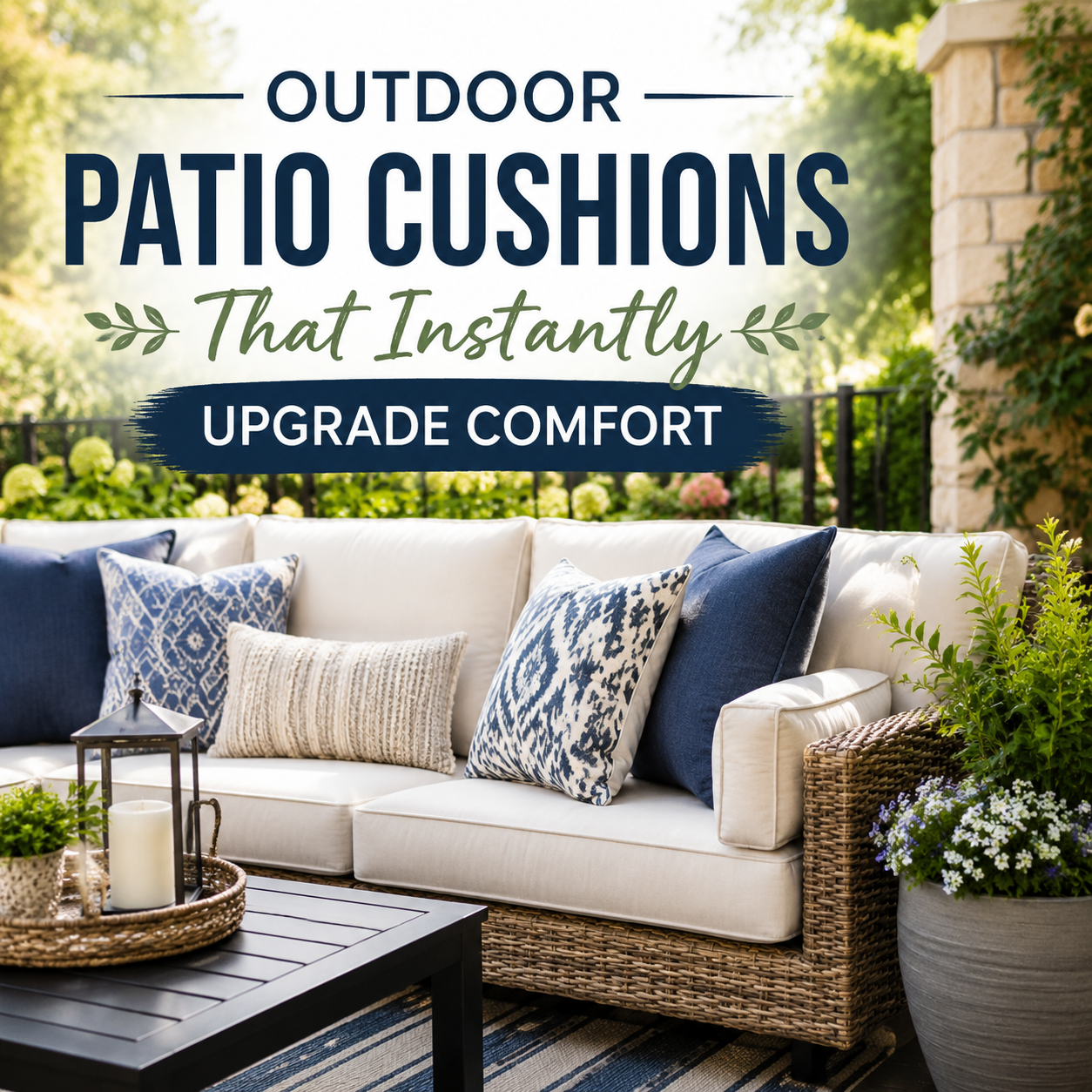
Outdoor Patio Cushions are one of the easiest ways to make an outdoor seating area more comfortable, attractive, and inviting. Whether you have a small balcony, a backyard dining set, or a full patio lounge space, the right cushions can completely change how your furniture looks and feels. They add softness for better support, bring in color and style, and help turn hard outdoor chairs and benches into spaces you actually want to relax in.
If you are wondering what outdoor patio cushions are, how to choose the right ones, and how to keep them looking good, this guide covers everything you need to know. It also helps if you are comparing cushion styles for different furniture types, from dining chairs to sectionals and loungers.
Table of Contents
- What Are Outdoor Patio Cushions?
- Why Outdoor Patio Cushions Matter
- How to Choose the Right Outdoor Patio Cushions
- Best Types of Outdoor Patio Cushions
- What Makes a Cushion Weather-Resistant?
- How to Clean Outdoor Patio Cushions
- How to Store Outdoor Patio Cushions
- How Long Do Outdoor Patio Cushions Last?
- Common Questions About Outdoor Patio Cushions
- Choosing the Best Outdoor Patio Cushions for Your Space
What Are Outdoor Patio Cushions?

Outdoor Patio Cushions are specially designed cushions made for use on outdoor furniture such as chairs, benches, loungers, sectionals, and dining sets. Unlike indoor cushions, they are built to handle weather exposure, including sunlight, moisture, and dirt.
Most outdoor patio cushions are made with:
- Water-resistant or quick-drying fabrics
- Fade-resistant materials
- Mold- and mildew-resistant treatments
- Durable foam or fiber filling
These features help the cushions last longer outdoors and stay more comfortable in changing weather conditions. For homeowners comparing options across a full seating area, it can also help to look at broader outdoor furniture cushions for comfort and durability so each piece feels consistent.
In addition to protecting the cushion itself, the right construction also helps keep your seating experience comfortable. A well-made outdoor cushion stays supportive instead of quickly flattening, and it maintains its shape enough to make outdoor meals, reading, and relaxing more enjoyable.
Why Outdoor Patio Cushions Matter
Outdoor furniture is often stylish but not always comfortable on its own. Cushions solve that problem by adding support and softness. They also help your patio feel more finished and welcoming.
Some of the biggest benefits include:
- Better comfort for sitting longer
- Improved support for backs and seats
- Added style and color to outdoor spaces
- Protection for furniture surfaces
- Easier seasonal updates without replacing furniture
A simple cushion update can make an older patio set look refreshed and more modern. If you are updating multiple seating areas, pairing cushions with coordinating decor can help the whole space feel intentional. For more styling ideas, see outdoor pillows decorating ideas for easy patio updates.
Comfort, posture, and everyday use
Think about how you actually use your space. If you enjoy long dinners outdoors, supportive seat cushioning makes a noticeable difference. For lounging, thicker cushions and better back support help you sit comfortably for longer periods. Even small seating areas benefit when the cushions provide even pressure distribution instead of leaving you to “sink in” unevenly.
When cushions match the furniture frame and fit properly, they also reduce shifting. That makes outdoor seating feel more stable, safer, and easier to use—especially when you have guests or kids who move around a lot.
Style that holds up in real weather
Outdoor spaces experience more than just sunlight. Dust, pollen, and occasional spills are normal. Patio cushions should be chosen with both appearance and practicality in mind, so the color you love still looks good after weeks of use and exposure.
How to Choose the Right Outdoor Patio Cushions
Choosing the right cushions depends on your furniture, your climate, and how you plan to use the space. The best outdoor patio cushions should fit well, feel comfortable, and hold up to regular use.
1. Measure Your Furniture First
Fit matters more than most people realize. Cushions that are too small may slide around, while cushions that are too large can look bulky and uncomfortable.
Before buying, measure:
- Seat width
- Seat depth
- Backrest height, if needed
- Bench or chaise dimensions
For the best result, compare your measurements to the product size chart and check whether the cushion is designed for a chair, bench, loveseat, or lounge chair.
Also consider whether the cushion needs to sit flush with armrests or match the height of adjacent pieces. When cushions are slightly off, the seating height can change enough to feel awkward during meals or conversations.
2. Choose the Right Fabric
The fabric is one of the most important parts of outdoor patio cushions. Outdoor fabrics should be able to handle sun exposure and moisture better than indoor fabrics.
Popular outdoor cushion fabrics include:
- Polyester: Affordable, durable, and widely used
- Acrylic: Often more fade-resistant and soft
- Olefin: Strong, quick-drying, and resistant to stains
- Sunbrella-style performance fabrics: Known for excellent fade resistance and durability
If your patio gets a lot of direct sun, look for fade-resistant fabric. If your area gets regular rain or humidity, quick-drying and mildew-resistant materials are especially important.
When comparing options, pay attention to how the fabric is described. Terms like “performance,” “solution-dyed,” or “colorfast” can indicate better fade resistance compared to basic outdoor blends. Even so, all fabrics benefit from protection and proper maintenance.
3. Look at Cushion Filling
The filling affects comfort, shape, and how well the cushion holds up over time.
Common filling options include:
- Polyester fiberfill: Soft and lightweight
- Foam core: Offers firmer support and better structure
- Quick-dry foam: Ideal for damp climates or poolside areas
If you want a plush seat, softer filling may work best. If you need more support for dining or extended sitting, firmer foam is a better choice.
It also helps to consider your comfort preferences. Some people prefer a “cradling” feel, while others want a firmer surface that stays supportive. Choosing a cushion with the right balance of softness and structure can prevent early flattening and sagging.
4. Consider Ties and Fasteners
Outdoor cushions can shift around, especially on metal or smooth furniture. Ties, non-slip bottoms, or Velcro fasteners help keep them in place.
This is especially useful for:
- Dining chairs
- Porch swings
- Bench seats
- Wicker furniture
A secure cushion stays neater and is more comfortable to use.
If you have windy conditions, securing cushions can also protect fabric edges from rubbing and wearing out prematurely.
5. Match Style With Your Outdoor Space
Outdoor Patio Cushions are not just practical. They are also a design feature. The color and pattern you choose can change the mood of your patio.
For a calm, classic look, choose:
- Neutral colors
- Solid tones
- Subtle textures
For a bright, energetic look, choose:
- Bold colors
- Tropical prints
- Geometric patterns
- Stripes
If you already have colorful plants, rugs, or furniture, a neutral cushion can balance the space. If your outdoor area feels plain, patterned cushions can add personality. For shoppers focused on soft seating and finishing details, patio cushions for outdoor comfort and style can be a useful next step when comparing options.
6. Plan for seasonal changes
Even if you choose all-weather cushions, your outdoor space may still have seasonal differences—more sun in summer, cooler temps in fall, and heavier moisture at other times. Picking cushions that can handle typical seasonal conditions makes your setup feel consistent and helps prevent damage caused by long exposure.
If you swap styles seasonally, storing cushions properly between changes becomes even more important. A simple routine can keep the fabric and filling in better shape for years.
Best Types of Outdoor Patio Cushions
There are different cushion styles depending on the type of furniture you have. Matching the cushion shape to the frame improves both comfort and appearance.
Chair Cushions
These are designed for dining chairs, bistro chairs, and other upright seating. They are usually smaller and thinner than lounge cushions.
For dining chairs, a stable fit and secure attachment matter most. When cushions stay in place, guests and family can sit down quickly without readjusting.
Bench Cushions
Bench cushions are longer and often used for garden benches, porch seating, and built-in seating areas. They provide comfort across a wider surface.
Because benches cover more seating area, filling quality becomes especially important. Durable stitching and supportive filling help maintain comfort even after regular use.
Loveseat and Sofa Cushions
These cushions are made for larger outdoor seating sets. They often come with both seat and back cushions for a more complete look.
For outdoor sofas and loveseats, choose cushions based on overall thickness and how you like to sit. Back cushions with sufficient support can help reduce fatigue during longer conversations.
Chaise Lounge Cushions
Chaise cushions are long and shaped to fit reclining lounge chairs. They are ideal for poolside or sunbathing areas.
Look for quick-drying performance materials if your chaise sits near water. That helps cushions feel fresh and comfortable after splashes, morning dew, or humid weather.
Adirondack Cushions
These cushions are shaped to fit the sloped seat and back of Adirondack chairs. They add comfort without changing the chair’s signature style.
Because Adirondack chairs have unique angles, using the right cushion shape helps maintain the chair’s comfort. The wrong cushion profile can cause poor support or uneven pressure.
For a broader selection of styles and use cases, you may also want to compare the best outdoor cushions and pillows for instant comfort to narrow the right fit for your setup.
What Makes a Cushion Weather-Resistant?
Many shoppers search for outdoor patio cushions that can stay outside, but it is important to understand what weather-resistant really means.
Weather-resistant does not always mean waterproof. It usually means the cushion can handle light exposure to moisture, sun, and everyday outdoor conditions better than indoor fabric.
A weather-resistant cushion may offer:
- Water resistance
- UV protection
- Stain resistance
- Mildew resistance
- Strong stitching and seams
Even with these features, it is still smart to bring cushions inside during heavy rain or long periods of bad weather. That helps extend their life and keeps them looking cleaner.
If your outdoor area faces frequent storms, pool splashing, or morning dew, it may be worth reviewing a dedicated guide to waterproof outdoor cushions and all-weather comfort before buying.
Fabric vs. filling: what matters most
Weather protection isn’t only about the fabric cover. The filling also affects drying time, odor resistance, and how the cushion bounces back after moisture exposure. If your climate is humid or rainy, prioritize cushions described as quick-drying and mildew-resistant.
Seams and construction also play a role. High-quality seams help prevent water from penetrating and reaching the inner filling. When cushions are less well-constructed, water can work its way in over time, even if the exterior seems to repel moisture at first.
UV fading and long-term color
Sun exposure is one of the fastest ways colors fade. Performance fabrics designed for outdoor use often resist UV fading better than basic materials. Still, using shades, umbrellas, or cushion covers can help your cushions maintain their color longer.
For extra protection, store cushions during extended periods of intense summer sun or when you know you won’t be using the space for a while.
How to Clean Outdoor Patio Cushions
Keeping outdoor patio cushions clean is easier when you maintain them regularly. Dirt, pollen, food spills, and moisture can build up quickly outdoors.
Basic Cleaning Steps
- Shake off loose dirt and debris.
- Vacuum or brush the surface.
- Spot clean with mild soap and water.
- Rinse gently if the care instructions allow it.
- Air dry completely before placing them back outside.
Tips for Better Maintenance
- Check care labels before cleaning
- Avoid harsh bleach unless the manufacturer allows it
- Dry cushions fully to prevent mildew
- Store them in a dry place when not in use for long periods
Regular cleaning not only improves appearance but also helps prevent odors and fabric damage. If you want a clearer picture of durability and cleaning-friendly materials, this overview of outdoor furniture cushions can help you compare fabric and construction choices.
How to handle common stains
Outdoor messes happen. The key is acting early and using gentle cleaning methods.
- Food and drink spills: Blot first, then spot clean with mild soap and water. Avoid scrubbing aggressively, which can push stains deeper into the fibers.
- Grease marks: Use a gentle cleaner designed for fabrics (as approved by the cushion manufacturer) and repeat spot cleaning as needed. Always test a small hidden area first.
- Mildew or musty odors: Remove cushions from storage, clean according to the care label, and let them fully dry in a well-ventilated area.
If your cushions have removable covers, washing and reattaching them can make ongoing maintenance easier. When covers aren’t removable, careful spot cleaning and thorough drying help keep the cushion in better shape.
Cleaning schedule that actually works
Instead of waiting until cushions look dirty, set a simple routine:
- Quick clean and brush after dusty weather
- Spot clean after spills immediately
- Deep clean and dry before storing for colder seasons
This approach keeps cushions fresh and reduces the chances of stains setting in permanently.
How to Store Outdoor Patio Cushions
Proper storage is one of the best ways to make cushions last longer. When the weather turns wet, cold, or extremely sunny, storage protects the fabric and filling.
Good storage options include:
- A deck box
- A patio storage bench
- A garage or shed
- A waterproof storage bag
Before storing, make sure cushions are clean and completely dry. Storing damp cushions can lead to mold and unpleasant smells.
For long-term care, rotate cushions occasionally if they remain in one spot all season. This helps them wear more evenly and can reduce flattening in high-use areas.
Preventing compression and shape loss
Even when cushions are stored in a dry place, heavy items stacked on top can compress the filling. If possible, store cushions without heavy pressure on top, or separate stacks with breathable padding so air can circulate.
If cushions come with covers, keep them on during storage to protect against dust. For cushions without covers, a breathable fabric bag or a fitted storage bag can reduce dust buildup while still helping cushions stay ventilated.
Seasonal storage checklist
- Clean cushions and let them dry completely
- Check for loose seams or damage before storing
- Keep cushions in a dry, ventilated area
- Cover cushions to reduce dust and debris
A quick check before and after storage helps you catch issues early, so cushions stay ready for use.
How Long Do Outdoor Patio Cushions Last?
The lifespan of outdoor patio cushions depends on the fabric quality, filling, weather exposure, and how well they are maintained. On average, well-made cushions can last several seasons or longer.
Factors that affect durability include:
- Sun exposure
- Rain and humidity
- Frequency of use
- Quality of stitching
- Cleaning and storage habits
If cushions fade quickly, flatten easily, or develop mildew, it may be time to replace them. In many cases, swapping only the cushions is enough to refresh the look of the furniture without replacing the full set.
Some homeowners also prefer to build a full outdoor comfort plan by combining cushions with pillows and shade. For a related category that focuses on comfort and support, outdoor pillows and cushions for any patio is another helpful reference.
Signs it’s time to replace cushions
Watch for common wear patterns that affect comfort and appearance:
- Filling that no longer springs back after sitting
- Stains that do not improve with spot cleaning
- Torn seams or damaged fabric edges
- Persistent musty odor even after cleaning
Replacing cushions before they fail fully helps keep your seating setup looking great and prevents discomfort caused by uneven support.
Common Questions About Outdoor Patio Cushions
Are outdoor patio cushions waterproof?
Not always. Many are water-resistant, which means they can handle light moisture, but they are not fully waterproof. If you need stronger protection, look for cushions made with quick-dry foam and performance fabrics.
Can outdoor patio cushions stay outside all year?
Some can handle year-round exposure, but it is usually better to bring them inside during harsh weather or long periods of rain, snow, or intense sun. This helps them last longer.
How do I keep patio cushions from blowing away?
Use cushions with ties, Velcro, or non-slip backing. In windy areas, storing cushions when not in use is the safest option.
What is the best fabric for outdoor cushions?
The best fabric depends on your needs, but fade-resistant performance fabrics such as acrylic or olefin are popular because they hold up well in sun and outdoor conditions. For a deeper breakdown of comfort, durability, and common fabric choices, you can also review the official Sunbrella fabric resource as a general reference point.
How often should I replace outdoor cushions?
Replace them when they become flat, faded, torn, stained beyond cleaning, or uncomfortable to use.
Do removable covers help?
Removable covers can make routine cleaning easier and may extend the overall life of the cushion by letting you refresh the outer layer. If you frequently deal with spills, this feature can be especially useful.
Is thicker always better?
Not necessarily. Thicker cushions can be more comfortable, but the right thickness depends on how you sit and the furniture design. For dining chairs, moderate thickness with firm support can work better than extra-soft cushioning that makes posture feel unstable.
Choosing the Best Outdoor Patio Cushions for Your Space
The best outdoor patio cushions are the ones that fit your furniture, suit your weather conditions, and match your style. A good cushion should feel comfortable, stay in place, and hold up to everyday outdoor use.
When shopping, focus on:
- Correct size and shape
- Durable outdoor fabric
- Comfortable filling
- Easy cleaning
- Secure attachment
- Style that fits your patio design
If you want a more polished and comfortable outdoor space, cushions are one of the smartest upgrades you can make. They work especially well when paired with coordinated pillows, matching textures, and a layout that supports the way you actually use the space.
For a simple, practical approach, start with the furniture you use most, choose materials that suit your climate, and then add color or pattern with confidence. That makes the finished setup feel intentional rather than temporary.
And if you are shopping across multiple seating areas, it can help to standardize materials and colors so the patio feels cohesive. Using matching cushion styles also makes it easier to maintain everything at the same time during seasonal cleanups.
Final Thoughts
Outdoor Patio Cushions do more than add color. They improve comfort, support, and the overall look of your outdoor living area. By choosing the right size, fabric, and filling, and by cleaning and storing them properly, you can enjoy a more attractive and comfortable patio for years.
Whether you are refreshing a dining set, updating a lounge area, or creating a cozy porch retreat, the right outdoor patio cushions can make all the difference. When the fit is right and the materials are built for the weather you live with, the result is a space that feels easier to use every day.






Add comment