
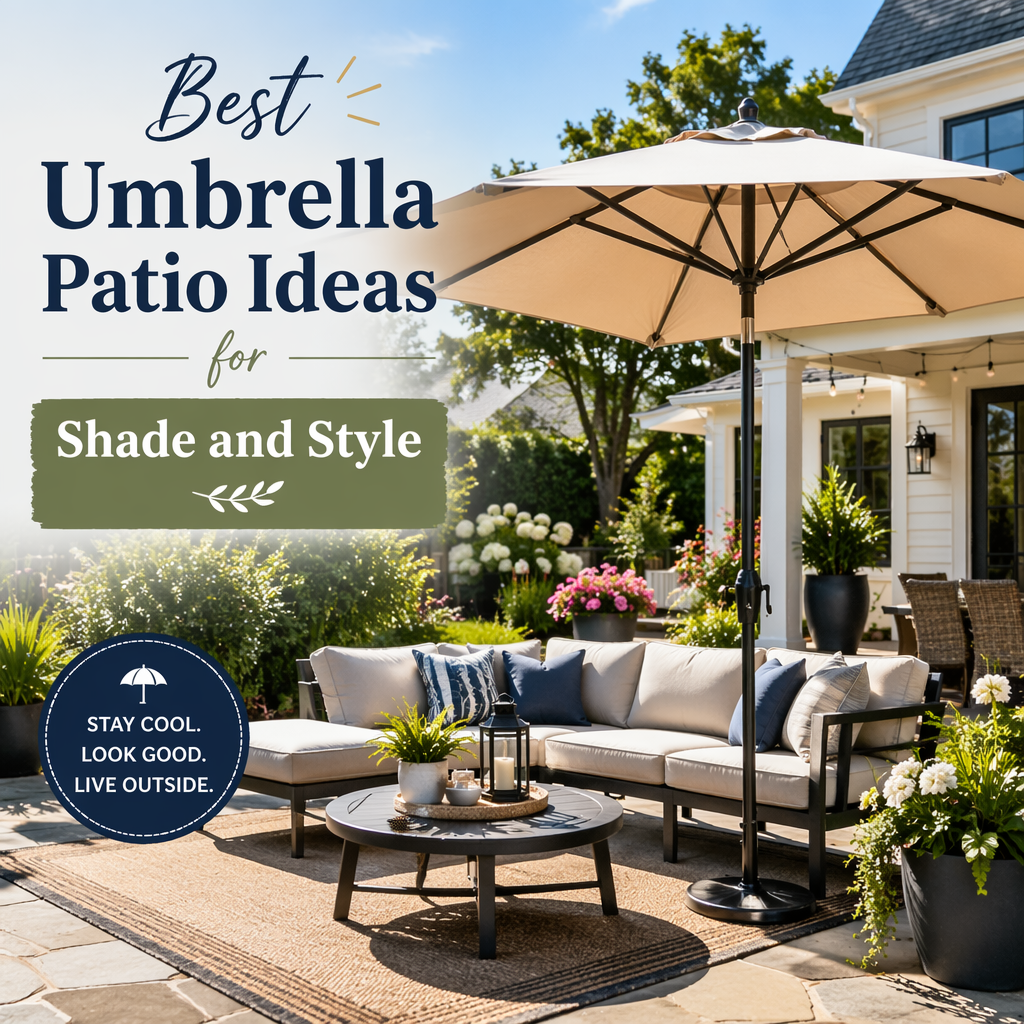
An umbrella patio setup is one of the easiest ways to make an outdoor space more comfortable, functional, and inviting. Whether you have a small balcony, a backyard dining area, or a full patio lounge, a patio umbrella provides shade, improves comfort, and helps protect furniture from sun exposure. If you’re looking for umbrella patio ideas that balance performance and style, this guide walks you through what to buy, how to choose it, and how to place it for the best results. For a broader overview of outdoor shade options, you can also review this outdoor patio umbrella guide.
- What Is an Umbrella Patio Setup?
- Why an Umbrella Patio Is Worth It
- How to Choose the Right Patio Umbrella
- Best Patio Umbrella Types for Different Needs
- How to Position an Umbrella Patio Setup
- Common Questions About Patio Umbrellas
- Patio Umbrella Buying Tips
- Design Ideas for a Stylish Umbrella Patio
- When a Patio Umbrella Is Not Enough
- Final Thoughts on Choosing the Best Umbrella Patio Option
What Is an Umbrella Patio Setup?
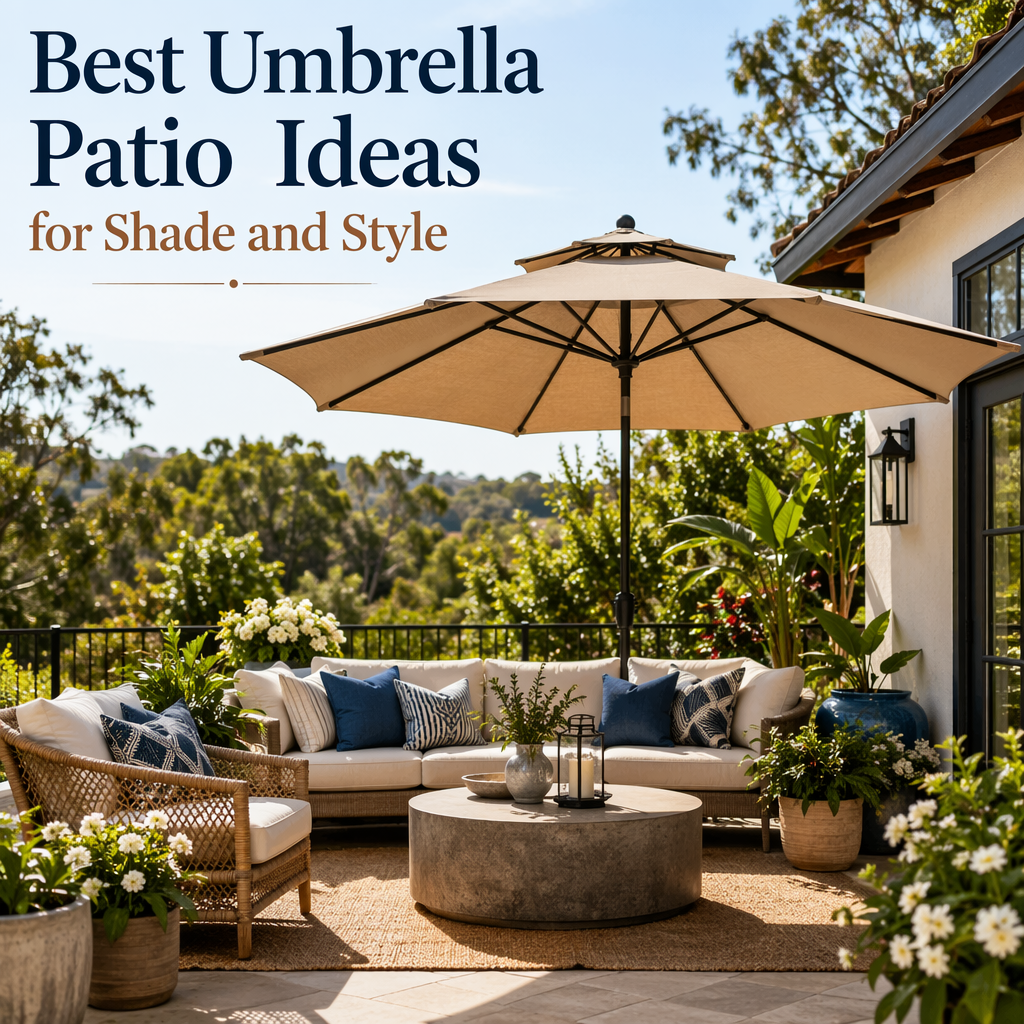
An umbrella patio setup usually refers to using an outdoor patio umbrella to create shade over outdoor seating, dining tables, or lounging areas. These umbrellas are designed for everyday outdoor conditions and are typically built with weather-resistant fabric, sturdy frames, and a weighted base or mounting system.
Unlike indoor umbrellas or purely decorative parasols, patio umbrellas are made to handle sunlight, wind, and frequent outdoor exposure. You’ll find many styles, each suited for different layouts:
- Market umbrellas
- Offset or cantilever umbrellas
- Tilting umbrellas
- Table umbrellas
- Large commercial patio umbrellas
The best choice depends on your space, how much shade you need, and how you plan to use the area throughout the day. In many cases, the right patio umbrella is the simplest way to make a patio feel more usable right away.
Why an Umbrella Patio Is Worth It
Adding an umbrella to your patio does more than block the sun. A well-selected patio umbrella can improve your outdoor space in several practical ways—while also enhancing the look of your yard.
1. Provides Shade and Comfort
The main benefit is obvious: shade. A patio umbrella reduces direct sunlight, making outdoor seating more comfortable during hot days. It can also help lower the surface temperature of tables, chairs, and flooring.
2. Extends Outdoor Living Time
With proper shade, you can use your patio earlier in the morning, during peak afternoon heat, and later in the day. That means more comfortable dinners, longer hangouts, and better usability during the hottest months. A shaded patio often becomes the place people naturally choose to gather.
3. Protects Outdoor Furniture
UV rays can fade fabrics, discolor cushions, and gradually wear down finishes. While you still need routine cleaning and care, adding shade can help limit direct sun exposure and extend the life of your outdoor furnishings.
4. Improves Outdoor Dining
If your patio includes a dining table, an umbrella makes meals more enjoyable by reducing glare and heat. The result is a more comfortable dining environment and a layout that feels more intentional.
5. Adds Style to the Space
Umbrella patio designs come in many colors, shapes, and materials. The right canopy can complement your décor and become a focal point that ties the seating, rugs, planters, and lighting together.
6. Adds Flexibility Compared to Permanent Shade
Unlike a fixed awning, a patio umbrella is often easier to adjust and reposition as your needs change—such as when you rearrange furniture, add a grill zone, or change how the patio is used. That flexibility is one reason many homeowners prefer a patio umbrella for seasonal outdoor living.
How to Choose the Right Patio Umbrella
Choosing the right umbrella patio setup starts with understanding your space, your sun exposure, and how you move through the area day to day. Use the factors below as your checklist.
Size
Size is one of the first things to evaluate. A small umbrella may work for a bistro set or a compact balcony, while a larger patio needs broader coverage.
A simple rule is to choose a canopy that extends far enough beyond the seating or table edges to create meaningful shade. For dining tables, the canopy should generally be wider than the tabletop so guests stay shaded while seated.
- Bistro sets: smaller umbrellas with easy closure and storage
- Outdoor dining: wider canopies that cover the seating, not just the table
- Lounge zones: larger coverage for sofas, chairs, and side areas
Shape
Patio umbrellas come in different shapes, and each one suits certain spaces better.
- Round umbrellas: versatile and common for tables and casual seating.
- Square umbrellas: a clean modern look, often ideal for rectangular layouts.
- Rectangular umbrellas: helpful for long tables or seating arrangements that need broader coverage.
If your furniture is arranged in a straight line, a shape that matches the layout can improve both shade coverage and visual balance.
Style (Center Pole vs. Offset)
The main styles include:
- Market umbrella: a classic center-pole option typically used with dining tables.
- Offset umbrella: the pole sits to the side, leaving the shaded area open and unobstructed.
- Tilting umbrella: lets you angle the canopy as the sun moves.
- Cantilever umbrella: a premium offset design with flexible positioning and wider shade control.
If you want shade over a dining table, a center-pole market umbrella may be enough. If you want open space under the canopy, an offset or cantilever umbrella is usually better—especially for lounge setups or mixed seating.
Material
The frame and canopy material affect durability, appearance, and maintenance. When evaluating a patio umbrella, look for materials designed for outdoor use, including UV resistance and weather resistance.
Frame Materials
- Aluminum: lightweight, rust-resistant, and easy to move.
- Steel: durable, but may be heavier and more prone to corrosion if not properly treated.
- Wood: attractive and classic, though typically needs more maintenance to stay looking great.
Canopy Materials
Look for UV-resistant, weather-resistant fabrics such as:
- Polyester
- Olefin
- Acrylic
Higher-quality canopy fabrics typically hold color better and last longer in direct sun.
Base and Stability
A patio umbrella must stay secure. A stable base is essential, especially for larger or offset umbrellas. In general, the heavier and larger the canopy, the more support it needs.
Some umbrellas are designed to attach through a table opening, while others require a separate weighted base or a permanent mount. For freestanding umbrella setups, check that the base size matches the umbrella size and style. A patio umbrella with the right base is safer, easier to use, and less likely to shift in breezy conditions.
Tilt and Rotation Features
Tilt features let you adjust the shade angle as the sun moves. Rotation is especially useful for offset umbrellas, enabling you to direct shade where it’s needed most.
If your patio gets strong afternoon sun at shifting angles, these adjustment features can significantly improve comfort without constantly changing furniture position.
Wind Considerations
No umbrella is completely windproof, but the right construction helps. Consider vented canopies and a well-matched base. If you live in an area with frequent storms, prioritize sturdier frames, reliable opening/closing hardware, and care routines like closing and covering during harsh weather.
For reference on outdoor heat and sun exposure, the CDC/NIOSH heat stress guidance is a useful educational resource when planning comfortable outdoor spaces.
Best Patio Umbrella Types for Different Needs
Different outdoor spaces call for different umbrella styles. Use this quick guide to narrow your choices based on how you plan to use the patio.
For Small Patios or Balconies
A compact market umbrella or a small tilting umbrella is often enough. Focus on easy storage, stable placement, and a canopy size that shades the seating area without overwhelming the space.
For Dining Tables
A center-pole market umbrella is a popular option for dining. Make sure the umbrella fits the table opening (if applicable) and provides enough shaded area for everyone seated.
Also think about where the sun hits most during mealtimes. A tilting canopy can help reduce glare and improve comfort.
For Lounge Areas
An offset or cantilever umbrella works well for lounge spaces because it keeps the pole out of the way. That creates more open seating circulation and better usability for foot traffic, side tables, and conversation zones.
For Large Patios
A large cantilever umbrella or multiple umbrellas may be needed to cover a wide area. For very large spaces, combining umbrella coverage with pergolas, awnings, or shade sails can create more complete shade and improve the overall design.
If you’re planning an outdoor living layout (dining + lounge), consider different umbrella sizes to match each zone instead of relying on a single canopy. A layered shade plan often makes the entire patio feel more balanced.
For Windier Areas
Look for a sturdy frame, vented canopy, and a heavy base. While you should still close umbrellas during strong storms, these features can help the umbrella handle breezier conditions more confidently.
For more comfort in evening outdoor time, some homeowners also explore lighting options like LED patio umbrellas for stylish night shade.
How to Position an Umbrella Patio Setup
Proper placement matters as much as the umbrella itself. A poorly placed canopy can create uneven shade, awkward seating, or glare that ruins the experience.
Over a Table
If the umbrella is for a dining table, center it through the table opening. Then verify that the canopy opens wide enough to shade the full seating area—especially the chairs at the edges.
Next to Seating
For lounge spaces, position an offset umbrella so the canopy extends over the seating without placing the pole in a “high traffic” spot. The goal is to create a defined shade zone while maintaining easy movement.
Based on Sun Direction
Think about where the sun hits your patio at different times of day. Morning and afternoon light angles may require a tilting or rotating canopy for better coverage.
- Morning sun: angle shade to reduce early glare
- Afternoon sun: adjust canopy position as the sun moves
- Late-day sun: use tilt/rotation to keep the seating shaded
Plan for Shade “Drift” Throughout the Day
Even with the right size canopy, shade can move as the sun changes position. If you host gatherings, aim for coverage during your most common hangout time—then use tilt/rotation to fine-tune comfort.
Common Questions About Patio Umbrellas
How big should my patio umbrella be?
The ideal size depends on the area you want to shade. For a small table, a standard umbrella may work. For a larger seating or dining area, you may need a wider canopy or multiple umbrellas. A good goal is to select a size that shades beyond the furniture edges so guests aren’t exposed when they move or lean back.
What is the best patio umbrella material?
Many homeowners choose aluminum frames and UV-resistant canopy fabrics like polyester, olefin, or acrylic. These options often provide a strong balance of durability and convenience. Wood can look great, but it typically requires more maintenance to keep it in top condition.
Do I need a weighted base?
In most cases, yes. A weighted base helps keep the umbrella stable and reduces the risk of tipping. Larger umbrellas—especially offset models—usually need a heavier base than smaller table umbrellas.
Can I leave my patio umbrella outside all year?
It depends on the umbrella and your climate. Many umbrellas are designed for seasonal outdoor use, but long-term exposure to rain, snow, and strong wind can shorten their lifespan. In harsh weather, close the umbrella, cover it, or store it indoors when possible.
How do I clean a patio umbrella?
Most umbrellas can be cleaned with mild soap, water, and a soft cloth or brush. Always follow the manufacturer’s care instructions. Let the canopy dry fully before closing it to help prevent mildew.
Are offset umbrellas better than center-pole umbrellas?
Neither is always better. Offset umbrellas are ideal for open seating areas because the pole stays out of the way. Center-pole umbrellas are often more affordable and work well with dining tables. The best option depends on your layout and how you use the space.
Patio Umbrella Buying Tips
Before you buy, keep these practical tips in mind. They help you avoid common mistakes and improve long-term value.
- Measure your patio space before choosing a size.
- Check whether your table has a center hole (if you’re using a center-pole umbrella).
- Match the umbrella style to your furniture layout.
- Choose fade-resistant fabric for longer color life.
- Look for vented canopies for better airflow.
- Make sure the base is strong enough for the umbrella size and style.
- Consider storage solutions for off-season protection.
These details can help you select a canopy that’s comfortable, stable, and attractive—season after season. A patio umbrella is often easiest to enjoy when the size, style, and base all work together.
Design Ideas for a Stylish Umbrella Patio
A patio umbrella doesn’t have to be purely functional. With the right choices, it can elevate the look of your outdoor living area and make the space feel complete.
Coordinate Colors
Choose a canopy color that complements your cushions, flooring, or planters. Neutral shades feel classic and easy to style, while bold colors can create a vibrant focal point.
Layer With Outdoor Lighting
String lights, lanterns, or path lighting can make a shaded patio area feel inviting after dark. If you want illumination integrated into the canopy, consider exploring an LED patio umbrella designed for day and night use.
Add Comfortable Seating
Shade works best when paired with comfortable outdoor seating. Choose weather-resistant chairs, durable cushions, and side tables to create a space people want to use for meals and relaxation.
To help with comfort, you can also pair your umbrella patio with high-quality outdoor cushions like an outdoor pillow: best all-weather comfort for patios and porches.
Use Multiple Shade Sources
For larger patios, a single umbrella may not provide enough coverage for every seating spot. Combine umbrella shade with pergolas, awnings, or additional umbrellas of different sizes for more complete comfort.
This approach also helps your patio look layered and intentional rather than under-shaded.
Create Defined Zones
Umbrella patio ideas often work best when you divide the area into “zones.” Use the canopy over dining for meal time comfort, then add lounge shade for relaxation. When each zone has the right coverage, the patio feels cohesive and welcoming.
When a Patio Umbrella Is Not Enough
A patio umbrella is an excellent solution for many outdoor spaces, but it isn’t always the best choice for every situation. If your patio is extremely large, exposed to strong winds, or you plan to use it year-round in harsh weather, a more permanent shade structure may make more sense.
In those cases, consider:
- Pergolas
- Retractable awnings
- Shade sails
- Permanent canopies
Even then, a patio umbrella can remain a smart option for flexibility and easy adjustments—especially if you want a solution that can move with your furniture. For many homes, the patio umbrella remains the most practical first step toward better shade.
Final Thoughts on Choosing the Best Umbrella Patio Option
The right umbrella patio setup can transform an outdoor space by adding shade, comfort, and style. To choose wisely, focus on size, shape, material, base stability, and how you plan to use the area across the day.
A well-chosen patio umbrella makes dining easier, lounging more comfortable, and your patio more enjoyable throughout the season. If you want the best mix of function and appearance, start with the layout you already have and choose the umbrella that supports it best.
For additional guidance on outdoor shade safety and weather considerations, review the OSHA safety resources when planning equipment use near pedestrians, grills, and outdoor traffic areas.



Add comment