
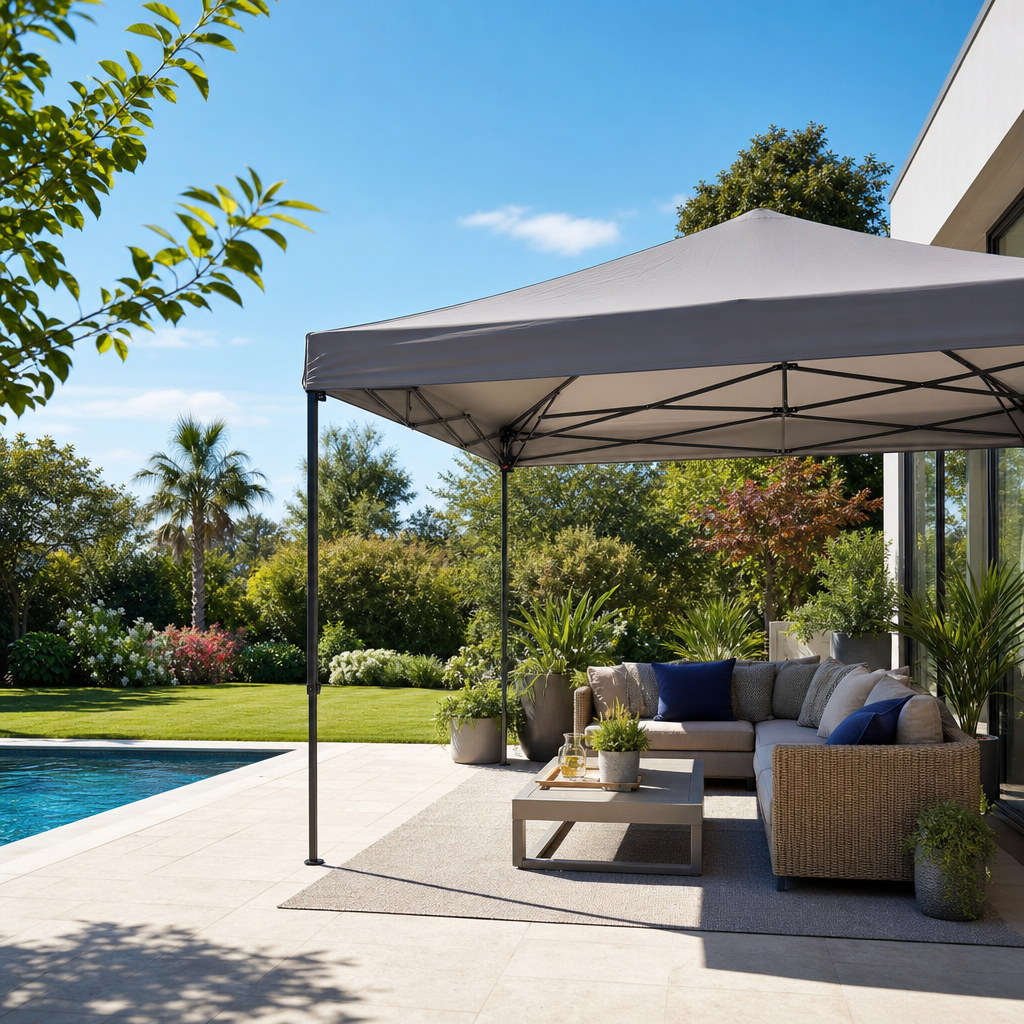
A quick shade canopy is one of the simplest ways to create instant shade and shelter outdoors. Whether you are heading to a weekend market, planning a backyard gathering, setting up a tailgate, or organizing a youth sports event, a quick shade canopy gives you a reliable covered space in minutes. Unlike permanent structures, it is portable, easy to store, and available in a wide range of sizes and materials.
Table of Contents
- What Is a Quick Shade Canopy?
- Why Quick Shade Canopies Are So Popular
- Types of Quick Shade Canopies
- How to Choose the Right Quick Shade Canopy
- Key Features to Look For
- Setting Up a Quick Shade Canopy Safely
- How to Use a Quick Shade Canopy in Different Settings
- Maintenance Tips for Longer Canopy Life
- Common Mistakes to Avoid
- Is a Quick Shade Canopy Worth It?
This guide explains what a quick shade canopy is, how to choose the right one, what features matter most, and how to use it safely and effectively. If you are trying to decide whether a canopy is worth the investment, or you want to choose the best one for your needs, this article will help you make a smart decision.
What Is a Quick Shade Canopy?
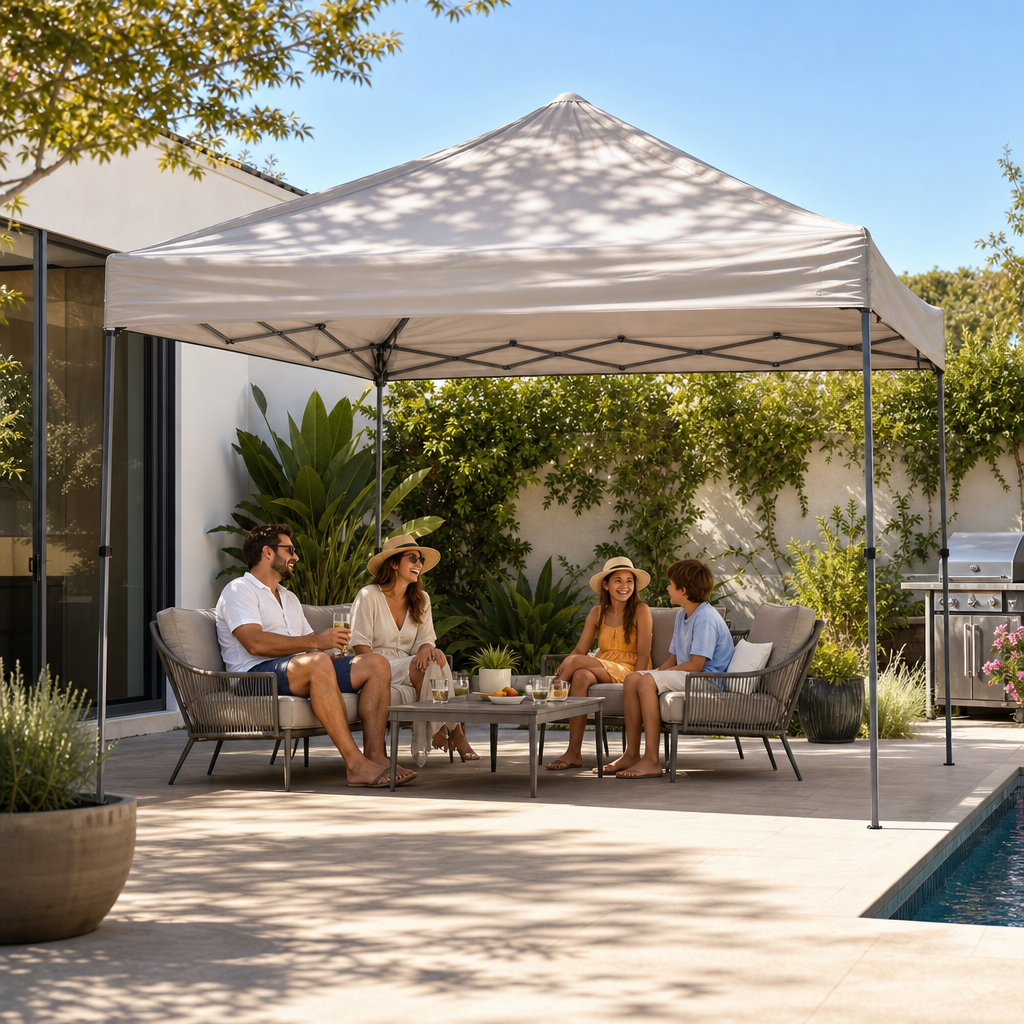
A quick shade canopy is a portable outdoor shelter designed to be set up quickly, usually with a collapsible frame and a fabric top. It is commonly used for temporary shade, rain protection, and event coverage. Most models fold down into a compact size, making them convenient to transport and store.
The term “quick shade” usually refers to ease of setup and immediate protection from sun or light rain. These canopies are popular because they combine practicality with portability. In many cases, a single person can set one up in just a few minutes, although larger models may require two people.
For broader canopy options, you can also compare an outdoor canopy buying guide before deciding on a style.
Common uses include:
- Backyard parties and family gatherings
- Outdoor markets and craft fairs
- Sporting events and team sidelines
- Camping and beach trips
- Tailgates and festivals
- Temporary workstations or outdoor service areas
A quick shade canopy is not just about comfort. It can also protect people, food, merchandise, and equipment from direct sunlight and unexpected weather changes.
Why Quick Shade Canopies Are So Popular
The popularity of a quick shade canopy comes down to convenience. Outdoor plans often need flexibility, and a canopy provides shelter without requiring permanent installation. You can bring it out when needed and pack it away when finished.
Here are the main reasons people choose them:
1. Fast setup
Many quick shade canopies use a pop-up or accordion-style frame. This allows them to be opened and locked into place quickly, saving time and effort.
2. Portability
Most models are designed to fit in a carry bag or wheeled case. This makes them easy to transport in a car, truck, or SUV.
3. Versatility
They can be used for all kinds of events and activities, from casual backyard use to commercial setups at fairs and markets.
4. Cost-effectiveness
Compared with permanent shade structures, a canopy is generally much more affordable. It offers seasonal or occasional coverage without major expense.
5. Protection
A good quick shade canopy helps reduce exposure to UV rays, keeps people cooler, and provides a dry spot during light rain.
Types of Quick Shade Canopies
Not all canopies are built the same. Understanding the different types can help you choose the right one for your purpose.
Pop-up canopies
These are the most common quick shade canopy designs. The frame expands outward and upward, creating a covered area in a short time. They are ideal for events, markets, and general recreational use.
Best for:
- Backyard parties
- Tailgating
- Vendor booths
- Community events
Instant canopies
Instant canopies are a type of pop-up canopy designed for especially fast setup. They often feature pre-attached frames and tops, reducing assembly time.
Best for:
- Users who want maximum convenience
- Frequent setup and takedown
- Quick event preparation
Straight-leg canopies
These provide a square or rectangular usable area from the ground to the top. The legs are vertical, which maximizes floor space.
Best for:
- Vendors
- Food service stations
- Workspaces
- Activities requiring more room inside
Slant-leg canopies
These are often lighter and more compact, but the slanted legs reduce usable interior space. They can be a good budget-friendly option for casual use.
Best for:
- Light recreational use
- Small gatherings
- Occasional shade needs
Heavy-duty canopies
These models feature stronger frames, thicker fabric, and better weather resistance. They are often used for commercial or frequent outdoor use.
Best for:
- Long-term outdoor events
- Market vendors
- Repeated professional use
- Areas with more wind exposure, when properly anchored
How to Choose the Right Quick Shade Canopy
Choosing the right canopy depends on how and where you plan to use it. A model that works well for occasional backyard use may not be suitable for professional event setups. Consider the following factors before buying.
Size
Canopies come in a variety of sizes, often measured in feet. Common dimensions include:
- 8×8 feet
- 10×10 feet
- 10×15 feet
- 10×20 feet
A 10×10 canopy is one of the most popular choices because it is compact, easy to transport, and suitable for many uses. Larger sizes offer more coverage but are heavier and may take more effort to set up.
Think about:
- How many people need shade?
- Will you be covering tables, chairs, or products?
- Do you need room for movement and storage?
Frame material
The frame is the backbone of the canopy. Common frame materials include:
- Steel: Strong and affordable, but heavier
- Aluminum: Lightweight and resistant to rust, though sometimes more expensive
For casual use, steel may be perfectly suitable. For frequent transport or outdoor exposure, aluminum can be a better option due to its lighter weight and corrosion resistance.
Fabric quality
The canopy top is usually made from polyester, nylon, or other synthetic fabrics with a protective coating.
Look for:
- UV resistance
- Water resistance or waterproofing
- Tear resistance
- Reinforced seams
A durable top can make a big difference in how well the canopy performs and how long it lasts.
Ease of setup
If speed matters, choose a design with an intuitive frame system and clear instructions. Some canopies have push-button leg adjustments, pinch-free mechanisms, and pre-attached tops that simplify assembly.
Weight and portability
If you plan to carry the canopy often, check the total weight. A heavier canopy may be more stable, but it can be difficult to move alone. A wheeled carry bag can be a major advantage.
Stability features
A canopy should stand securely in normal conditions. Look for:
- Strong locking joints
- Adjustable legs
- Anchor points
- Included stakes, ropes, or weights
Even a well-built canopy needs proper securing to prevent movement in wind.
Sidewalls and accessories
Some canopies come with optional or included sidewalls, mesh panels, sandbags, or additional attachments. These can improve privacy, wind protection, and weather coverage.
Key Features to Look For
When comparing quick shade canopy models, a few details can make a big difference in real-world use.
Adjustable height
Height adjustment lets you raise or lower the canopy to match your needs. This is helpful when you want more headroom or need to reduce wind resistance.
Reinforced corners
The corners of the canopy top experience a lot of stress. Reinforced stitching and stronger attachment points improve durability.
Weather-resistant coating
A water-resistant or UV-coated canopy top will perform better in sun and light rain. While no canopy is ideal for severe weather, a quality coating adds useful protection.
Ventilated top
Some canopies have a vented roof that allows hot air to escape. This can reduce heat buildup and help the canopy remain more stable in light breezes.
Roll-up walls or zippered panels
These accessories can transform a simple shade structure into a more enclosed shelter. They are useful for changing weather, privacy, or merchandise protection.
Wheeled storage bag
A canopy can be bulky, especially after use. A durable storage bag with wheels makes transportation much easier.
Setting Up a Quick Shade Canopy Safely
Setup is often simple, but safety matters. Even a temporary canopy can be hazardous if assembled incorrectly or left unsecured.
Step-by-step setup basics
-
Clear the area
Make sure the ground is level and free from sharp objects, rocks, or debris. -
Unpack the canopy
Remove all parts from the storage bag and check for damage. -
Open the frame gradually
Expand the frame carefully without forcing any joints. -
Attach or extend the top
Secure the fabric top properly according to the manufacturer’s instructions. -
Raise the legs
Lift the structure evenly and lock each leg into position. -
Adjust the height
Set the canopy to the desired level. -
Anchor the canopy
Use stakes, ropes, sandbags, or weights to secure it.
Safety tips
- Never set up a canopy in strong winds
- Always secure all four legs
- Keep children away during assembly
- Do not place the canopy under power lines or near hazards
- Check local rules for event setups or public spaces
- Remove the canopy if severe weather is approaching
A quick shade canopy is designed for temporary use, not extreme conditions. Proper anchoring and common sense are essential.
For weather and safety guidance, review the National Weather Service safety resources before using any temporary outdoor shelter in changing conditions.
How to Use a Quick Shade Canopy in Different Settings
One reason these canopies are so useful is that they adapt to many situations. Here are a few examples of how they can be used effectively.
Backyard gatherings
A quick shade canopy can create a shaded dining area, a beverage station, or a place for guests to relax. It is especially useful during summer cookouts and birthday parties.
Example:
Place a 10×10 quick shade canopy near the patio and add folding tables underneath for food and drinks. This keeps guests comfortable and helps protect food from direct sun.
Markets and vendor booths
For craft fairs, farmers markets, and outdoor sales, a quick shade canopy helps define your space while protecting products and customers from the elements.
Example:
A vendor selling handmade candles may use a straight-leg canopy with sidewalls to create a professional, weather-protected booth.
Sporting events
Families and teams often use quick shade canopy setups on sidelines for shade and gear storage.
Example:
At a youth soccer game, a canopy can provide a cooler place for players to rest and a shaded area for coaches and spectators.
Camping and outdoor recreation
Canopies can serve as a central gathering point at campsites, offering shade for cooking, eating, or socializing.
Example:
A group camping trip may use a canopy over a picnic table to keep the area usable during hot afternoons.
Tailgating
Tailgate parties often benefit from portable shelter for food prep, seating, and general comfort.
Example:
A canopy set up beside a vehicle can turn a parking lot into a shaded hangout space before the big game.
Maintenance Tips for Longer Canopy Life
A quick shade canopy can last much longer if you care for it properly. Since it is exposed to weather, dirt, and repeated folding, a little maintenance goes a long way.
Clean after use
Wipe down the frame and fabric after outdoor use, especially if the canopy has been exposed to dust, mud, salt, or food spills. Allow it to dry completely before storing.
Inspect for damage
Check for:
- Bent frame parts
- Loose bolts or joints
- Torn fabric
- Worn stitching
- Missing hardware
Catching minor issues early can prevent bigger problems later.
Store it dry
Never pack away a wet canopy if you can avoid it. Moisture can lead to mildew, unpleasant odors, and fabric damage.
Avoid unnecessary stress
Do not drag the frame across rough surfaces. Open and close it carefully to reduce wear on the hinges and joints.
Replace worn parts
Some manufacturers offer replacement tops, sidewalls, or frame components. Replacing a damaged part can be more economical than buying a whole new canopy.
Common Mistakes to Avoid
Even a good quick shade canopy can underperform if used incorrectly. Here are some common mistakes to watch out for.
Choosing the wrong size
A canopy that is too small may feel cramped, while one that is too large may be hard to transport or secure.
Ignoring weather conditions
A canopy is not a substitute for a permanent shelter in dangerous weather. High winds, heavy rain, and storms can damage the structure and create safety risks.
Failing to anchor it
One of the biggest mistakes is assuming the canopy will stay in place on its own. Always use proper weight or ground anchoring.
Overloading the frame
Do not hang heavy items from the frame unless the canopy is specifically designed for that purpose.
Storing it wet or dirty
This shortens the life of the fabric and frame and can create mold or corrosion.
Is a Quick Shade Canopy Worth It?
For most people, the answer is yes. A quick shade canopy offers a strong combination of convenience, versatility, and affordability. It is especially worthwhile if you spend time outdoors and need a temporary shelter you can rely on.
It may be a good purchase if you:
- Attend outdoor events regularly
- Host backyard gatherings
- Run a market stall or mobile business
- Need portable shelter for sports or recreation
- Want a simple way to create shade on demand
If you only need shade once in a while, a basic model may be enough. If you use it often or in professional settings, investing in a higher-quality canopy will likely save money over time.
For a related option with more enclosure and comfort, see our guide to a canopy gazebo.
Conclusion
A quick shade canopy is a practical outdoor solution for anyone who needs fast, portable shelter. It provides shade, comfort, and protection in a wide range of settings, from family parties to vendor booths and sporting events. By choosing the right size, frame, and fabric, and by setting it up safely, you can get years of reliable use from a single canopy.
The best quick shade canopy is the one that fits your needs, travels easily, and holds up well in real-world conditions. With the right model and proper care, you will have a versatile outdoor essential ready whenever you need it.
Quick buying checklist
Before you buy, compare the canopy against this simple checklist. It can help you avoid buyer’s remorse and choose a model that fits your routine.
- Does the size fit your vehicle, storage space, and event needs?
- Is the frame material strong enough for regular use?
- Does the top offer UV protection and water resistance?
- Can one or two people set it up without frustration?
- Does it include a carry bag, stakes, or weights?
- Will you need sidewalls, vents, or adjustable height?
Many shoppers also overlook replacement parts and warranty support. Those details matter more than they first appear. A canopy used for seasonal parties has different needs than one used every weekend.
Best situations for each type
If you are still comparing styles, this quick breakdown may help. The right choice usually depends on how often you set it up and how much coverage you need.
For casual family use
A slant-leg or basic pop-up model often works well for occasional shade and small gatherings. It is easy to move and simple to store.
For regular outdoor selling
A straight-leg canopy is usually better because it gives you more usable space. It also creates a cleaner display area for tables, racks, and signage.
For frequent travel
A lighter aluminum frame and wheeled bag can save effort. That combination is useful if you load and unload your shelter often.
For tougher conditions
Heavy-duty models are the better fit when you need stronger structure and better fabric. Still, they should always be anchored properly and removed before severe weather.
Why setup quality matters
Even the best canopy can disappoint if it is rushed during assembly. Take a few extra minutes to align the frame, lock each joint, and secure every corner. That small effort improves stability and helps the canopy last longer.
It also makes the shelter more comfortable. A well-assembled top sits tighter, sheds water better, and looks more professional. In many situations, that polished appearance matters just as much as shade itself.
In short, a quick shade canopy works best when the product and the setup match your needs. Choose carefully, secure it properly, and maintain it regularly. Those habits turn a simple outdoor shelter into a reliable everyday tool.

Add comment