
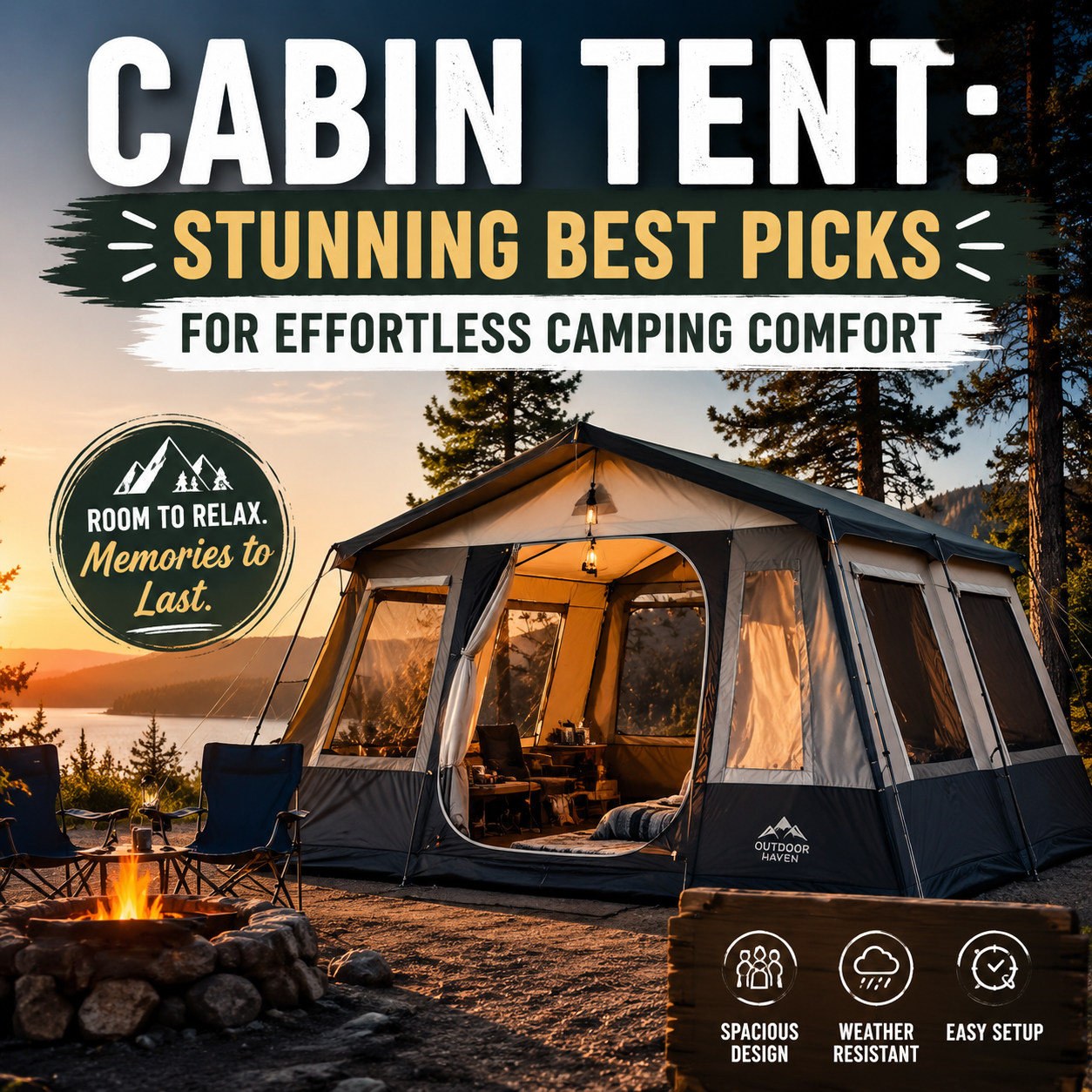
Cabin Tent camping has become a favorite choice for travelers who want the ease of outdoor living without giving up the comfort of a roomy shelter. With near-vertical walls, generous headroom, and layouts designed for convenience, this style of tent feels much more like a portable room than a traditional sloped backpacking tent. Whether you are planning a family getaway, a weekend at the lake, or a long car-camping trip, the right cabin tent can make the whole experience more relaxed, organized, and enjoyable.
A cabin tent stands out because it prioritizes space and livability. Instead of crouching low or constantly bumping into slanted walls, campers can stand up, move around easily, and arrange gear with less frustration. Many models also include multiple rooms, large windows, storage pockets, electrical cord access, and weather-friendly materials that help you stay comfortable in a wide range of conditions. For anyone who values convenience at the campsite, this type of tent is one of the smartest investments you can make.
Why a cabin tent is such a smart camping choice
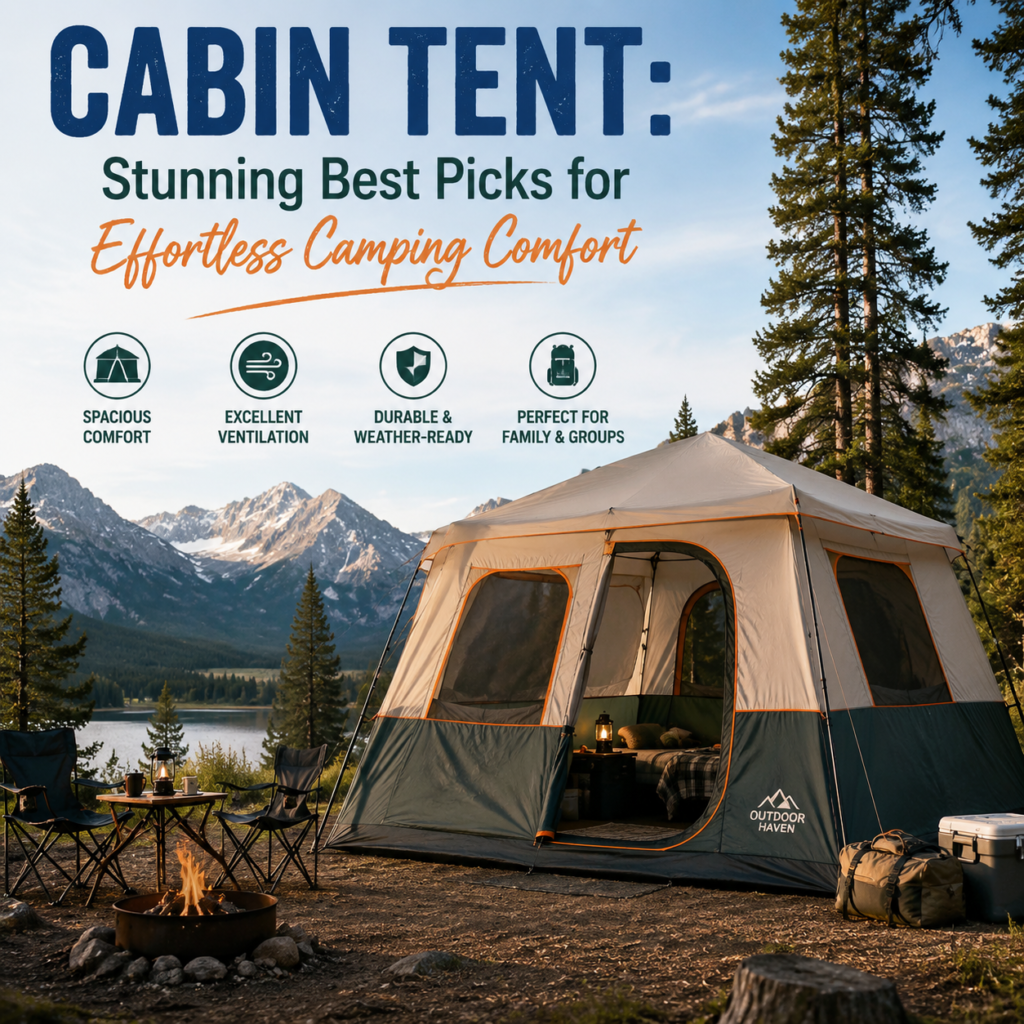
One of the biggest advantages of a cabin tent is the feeling of openness it creates. Traditional dome tents are excellent for lightweight travel, but they often sacrifice interior room for portability. A cabin-style design takes a different approach by maximizing usable space. That makes it ideal for families, groups, and campers who bring a lot of equipment.
The extra room is not just about comfort; it also improves organization. You can keep sleeping bags, clothing, shoes, coolers, and camping accessories from cluttering the same small area. Some cabin tents even include room dividers, allowing for a bit of privacy when multiple people are sharing the tent. For parents traveling with children or groups of friends camping together, that separation can make a huge difference.
Another reason campers love cabin tents is the standing height. Being able to stand up inside the tent makes daily routines much easier, especially when changing clothes or packing up in the morning. This simple feature often turns a basic campsite into a much more pleasant living space.
Cabin-style shelters also make it easier to create a more home-like setup outdoors. You can place a sleeping area on one side and keep bags, shoes, and chairs on the other. As a result, the tent feels less like a cramped shelter and more like a temporary cabin that supports everyday camping tasks. That convenience matters most when weather keeps everyone inside for part of the day.
Cabin Tent vs. other tent styles
If you are deciding between tent types, it helps to compare how each style handles space and comfort. Backpacking tents are built for weight savings, while dome tents usually strike a balance between strength and portability. By contrast, cabin tents focus on livability first. That makes them a better fit for car camping and family trips where interior room matters more than packing size.
Cabin tents also tend to feel more approachable for beginners. Setup is often straightforward, and the layout is easy to understand once the poles are in place. Because they are designed for drive-up camping, you do not need to worry as much about bulk or packed weight. Instead, you can focus on how the tent will function once you arrive at camp.
If you want to see another roomy option for family trips, take a look at our guide to the Best Family Tent for Camping and Outdoor Adventures. It can help you compare layouts and features before you buy.
Key features to look for in a cabin tent
Choosing the best cabin tent means looking beyond the advertised capacity and focusing on real-world comfort. A tent labeled for six or eight people may sound spacious, but actual livability depends on design, not just the number on the box.
It helps to think about how you camp, how long you stay, and how much gear you carry. A weekend trip with light packing has different needs than a week-long family vacation with coolers, cots, and extra clothing. When you match the tent features to the trip, you avoid paying for space or features you will never use.
Interior height and wall design
Cabin tents are known for their tall ceilings and steep walls. When comparing models, pay attention to peak height and how much of that height extends across the tent floor. A high peak is useful, but if the walls slope too sharply, the standing area may still be limited. Look for designs that offer more vertical wall space for better movement and furniture-like setup options.
Floor shape matters too. A roomier floor plan can support cots, duffel bags, and side tables without making the tent feel crowded. In other words, usable space is often more important than total dimensions. If you can stand, turn around, and store gear without constant rearranging, the tent is doing its job well.
Weather protection
Space is important, but so is protection from the elements. The best cabin tents use durable fabric, strong seams, rainflies, and waterproof floors to help keep you dry. Ventilation is equally important, especially in warmer weather. Mesh windows, roof vents, and adjustable airflow panels can reduce condensation and keep the interior cooler.
Weather resistance becomes even more important because larger tents catch more wind. A tall shelter may feel wonderful on a calm day, but it should still include a stable frame and secure stake points. If you plan to camp in places where weather changes quickly, look closely at how the tent handles rain and gusty conditions.
For more detail on keeping moisture out, see this helpful overview from the REI tent buying guide. It explains materials and weather protection in a simple, practical way.
Room layout and storage
A thoughtful layout can make a cabin tent feel much more comfortable. Features like storage pockets, gear lofts, removable room dividers, and multiple doors improve both convenience and accessibility. Multiple entrances are especially helpful for larger groups because they reduce crowding and make it easier to get in and out without disturbing sleeping campers.
Storage features may seem minor at first, but they quickly become valuable after the first night. When flashlights, phones, keys, and water bottles have their own places, the tent stays cleaner and easier to use. That organization also saves time during early mornings and rainy evenings, when nobody wants to dig through a pile of gear.
Setup ease
Since most cabin tents are used for car camping rather than hiking, they can be larger and slightly more complex than compact backpacking tents. Still, setup should not be a struggle. Color-coded poles, freestanding frames, and clear instructions are major advantages. If you want effortless camping comfort, a tent that goes up quickly will save time and stress at the campsite.
It is also worth considering whether one person can set up the tent alone, or whether two people are required. Larger tents are often easier with a partner, especially in windy conditions. However, a well-designed frame can still make the process manageable for solo campers who prefer independence.
Durability details that matter
Small construction details often separate an average tent from a dependable one. Reinforced stress points, strong zippers, taped seams, and sturdy guy-line attachment points all help a large shelter hold up better over time. Because cabin tents catch more wind than lower-profile tents, those details become even more important when the weather changes fast.
The floor material deserves attention as well. A thicker floor can better handle rough ground, and a footprint or ground tarp can add another layer of protection. Over time, those small precautions help preserve the tent and reduce wear in the areas that take the most pressure.
Comfort extras worth having
Some features do not affect the shelter’s core function, but they can still improve the trip. Electrical access ports make it easier to run a cord safely into the tent at campgrounds with hookups. Hanging loops help support lanterns or organizers. Large windows increase airflow and create a brighter interior during the day. These details may sound simple, but they make the tent feel more useful once you start living in it.
Best uses for a cabin tent
A cabin tent is especially well suited to car camping, family vacations, and weekend trips where comfort matters more than ultra-light portability. Because they tend to be bigger and heavier, they are not usually the right choice for long-distance backpackers. But if you can drive close to your campsite, the benefits are hard to beat.
Families appreciate cabin tents because they can often fit multiple sleeping areas and provide enough room for children to play when weather keeps everyone inside. Groups of friends also like the social, open feel. If you are camping in hot weather, the large windows and ventilation options can make the tent much more pleasant during the day and at night.
For campers who want to bring cots, air mattresses, folding chairs, or even a small camp table inside, a cabin tent provides the extra square footage needed to make that possible. This flexibility is one of the main reasons they are so popular with beginners and experienced campers alike.
They also work well for longer stays at a single campground. When you spend several nights in one place, little comforts matter more. A larger tent gives you room to organize your belongings, store wet shoes near the door, and keep sleeping areas separate from everyday gear. That kind of convenience can make a long trip feel much more relaxed.
Great situations for cabin-style camping
- Family trips where kids need extra space
- Weekend car-camping getaways
- Longer stays at a campground with limited indoor shelter
- Trips that require gear storage inside the tent
- Hot-weather camping where airflow matters
If you want a tent that handles rain better during variable weather, you may also want to compare it with our Best Waterproof Tent for Camping in All Weather Conditions guide.
For campers who like to build a larger outdoor setup around the tent, a canopy or gazebo can also add useful shade and gathering space. That can be especially helpful at base camps, family sites, and long summer trips. If you are planning a more complete campsite layout, you may also want to explore the Outdoor Canopy Buying Guide: 7 Best Options or browse these Outdoor Gazebo Ideas for inspiration.
What makes the best cabin tent stand out
The best cabin tent is not always the biggest one. Instead, it balances space, durability, weather resistance, and ease of use. A well-designed tent should feel roomy without being awkward to set up or difficult to manage in windy or rainy conditions.
Durability matters because larger tents naturally face more stress from wind and repeated use. Strong poles, reinforced corners, and quality zippers can extend the life of your tent significantly. The floor should be thick enough to resist rough ground, and the fabric should be treated for water resistance. Even if you only camp a few times per year, a reliable tent makes each trip easier and more enjoyable.
Comfort also depends on small details. Smooth zippers, well-placed vents, and thoughtfully designed pockets may seem minor, but they add up quickly. When you are spending several days inside the tent, those details can turn an average setup into a truly pleasant one.
A strong cabin tent should also manage light and privacy well. Bright daylight is nice in the morning, but campers often want a darker interior for naps and sleep. Window covers, zippered panels, and thoughtful door placement help control that balance. When privacy matters, especially on family trips, those features are just as useful as extra square footage.
How to choose the right size
Manufacturer capacity ratings are often optimistic, so it is smart to size up. A six-person tent may be comfortable for four people with gear, while an eight-person model may work better for families who want elbow room. If you plan to use air mattresses or cots, measure the footprint carefully before buying. A slightly larger tent often feels far more usable in real camping conditions.
As a practical rule, think about the number of sleepers and then add room for gear. If you want a separate space for bags or a changing area, choose a size above your minimum need. That small amount of extra space can make the tent feel much easier to live in.
Pros and trade-offs to keep in mind
Cabin tents offer a clear advantage in comfort, but they do come with trade-offs. They are bulkier to pack, heavier to carry, and often less efficient in strong wind than lower-profile tents. In exchange, you get more headroom, easier movement, and a layout that supports a more comfortable camping routine.
That trade-off is usually worth it for car campers. If you prioritize convenience, the extra size becomes a benefit instead of a burden. On the other hand, if you regularly hike deep into backcountry campsites, a lighter tent style may be a better match.
Tips for getting the most comfort from your cabin tent
To enjoy the full benefits of a cabin tent, it helps to set it up with comfort in mind. Choose a level campsite whenever possible, and use a footprint or ground tarp to protect the floor. Good site selection can also improve ventilation and reduce moisture buildup.
Inside the tent, keep the layout simple. Place sleeping gear on one side and storage items on the other if space allows. Hanging organizers can help reduce clutter, and a battery-powered lantern or soft string lighting can make the tent feel more inviting after dark. If your tent has room dividers, use them to create a sleeping area and a separate space for gear or quiet time.
Be sure to check zippers, seams, and stake points before your trip. Taking a few minutes to inspect and practice setup at home can prevent surprises later. The more familiar you are with your tent, the smoother your camping experience will be.
Ventilation is another simple way to improve comfort. Even when the weather is cool, cracking a vent or window can reduce condensation inside the tent. At the same time, closing the right panels at night can help trap warmth when temperatures drop. Learning how your tent handles airflow makes it easier to adjust quickly once you are at camp.
Simple comfort upgrades
Comfort can improve quickly with a few practical additions. A thick sleeping pad helps with insulation, while a compact rug or mat near the entrance keeps dirt under control. In warm weather, a small fan can improve airflow. In cooler conditions, layered bedding can make the large interior feel much cozier at night.
Consider adding a shoe tray or separate bin near the door, too. That keeps mud and sand from spreading through the sleeping area. Likewise, lightweight organizers or hanging pockets can save space on the floor and make everyday items easier to reach.
If you camp often, it is also smart to test your setup at home before leaving. Practice rolling the tent back into its bag, placing stakes in order, and folding the rainfly neatly. That habit can save time on checkout morning and reduce stress if the weather turns quickly.
Cabin Tent camping made easy and enjoyable
A cabin tent offers one of the most comfortable ways to enjoy the outdoors without sacrificing the convenience many campers value. Its spacious design, upright walls, and practical layout make it a strong choice for families, group outings, and anyone who wants a more relaxed campsite setup. From roomy interiors to easy organization and better standing height, this style of tent is built for effortless camping comfort.
When you choose a cabin tent with durable materials, reliable weather protection, and user-friendly features, you set yourself up for better nights, easier mornings, and a more enjoyable trip overall. For campers who want space and comfort without complicating the adventure, it is a standout option worth considering.
In the end, the best choice comes down to how you like to camp. If you want a shelter that supports real living space, makes organizing gear easier, and keeps everyone more comfortable, this style is hard to beat. With the right setup, a cabin tent can turn even a simple campground stay into a smoother, more enjoyable outdoor experience.
Before you buy, compare size, weather protection, ventilation, and setup time. Then choose a design that matches your camping style, not just the number of sleepers printed on the package. That approach will help you get the most value from your tent for many seasons to come.



Add comment