
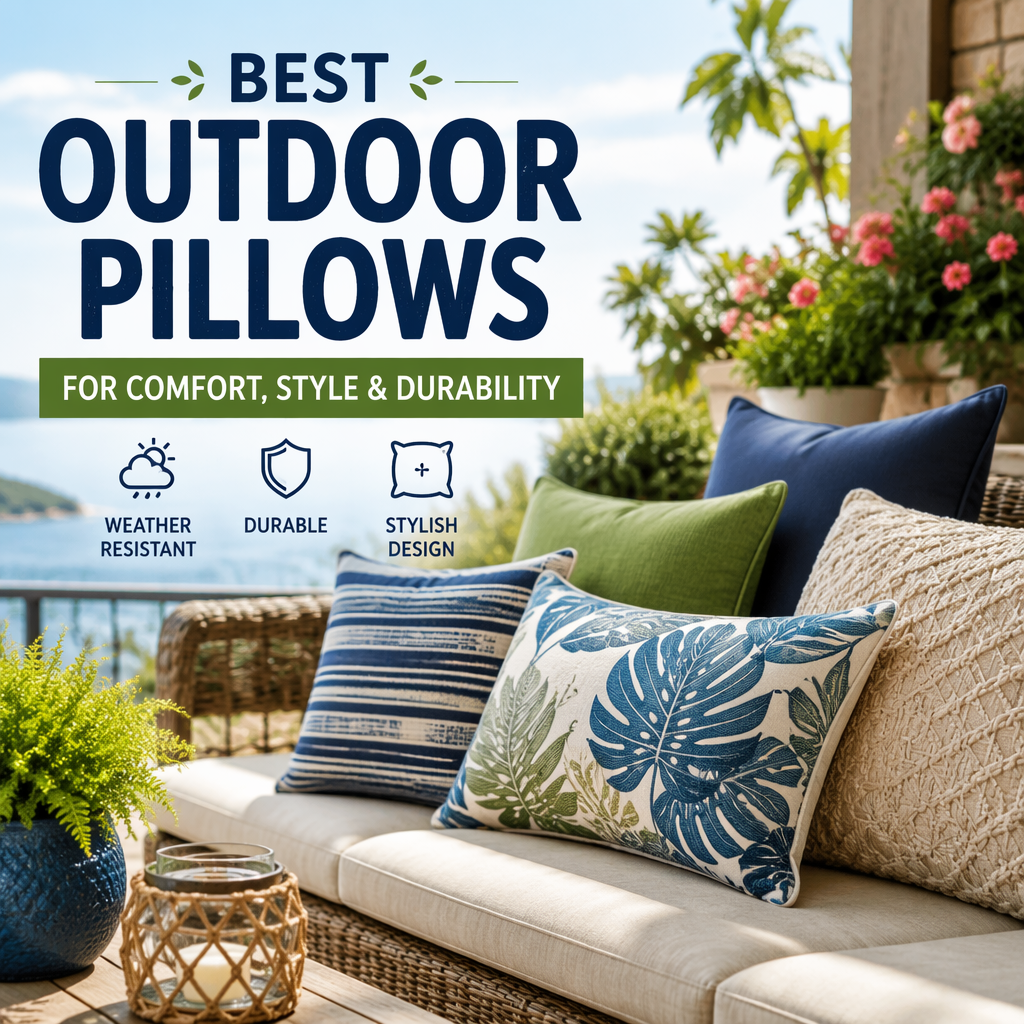
Choosing the right pillow outdoor makes a noticeable difference in comfort and longevity—especially when your patio, balcony, or porch is exposed to sun, moisture, and everyday wear. Unlike standard indoor cushions, outdoor pillows use weather-ready fabrics and quick-drying fillings that help resist fading, mildew, and stains.
- What Is an Outdoor Pillow?
- Outdoor Pillows vs. Indoor Pillows
- How to Choose the Best Outdoor Pillow
- Best Outdoor Pillow Types for Different Spaces
- How to Style Outdoor Pillows
- How to Clean Outdoor Pillows
- How to Keep Outdoor Pillows From Blowing Away
- How to Store Outdoor Pillows
- Can Outdoor Pillows Be Left Outside?
- How Long Do Outdoor Pillows Last?
- Are Expensive Outdoor Pillows Worth It?
- Frequently Asked Questions About Outdoor Pillows
- Final Outdoor Pillow Buying Checklist
If you are searching for the best pillow outdoor options, focus on weather-resistant materials, durable construction, easy cleaning, and the correct size for your furniture. This guide explains what to look for, how outdoor pillows differ from indoor pillows, and how to keep them in good condition.
What Is an Outdoor Pillow?
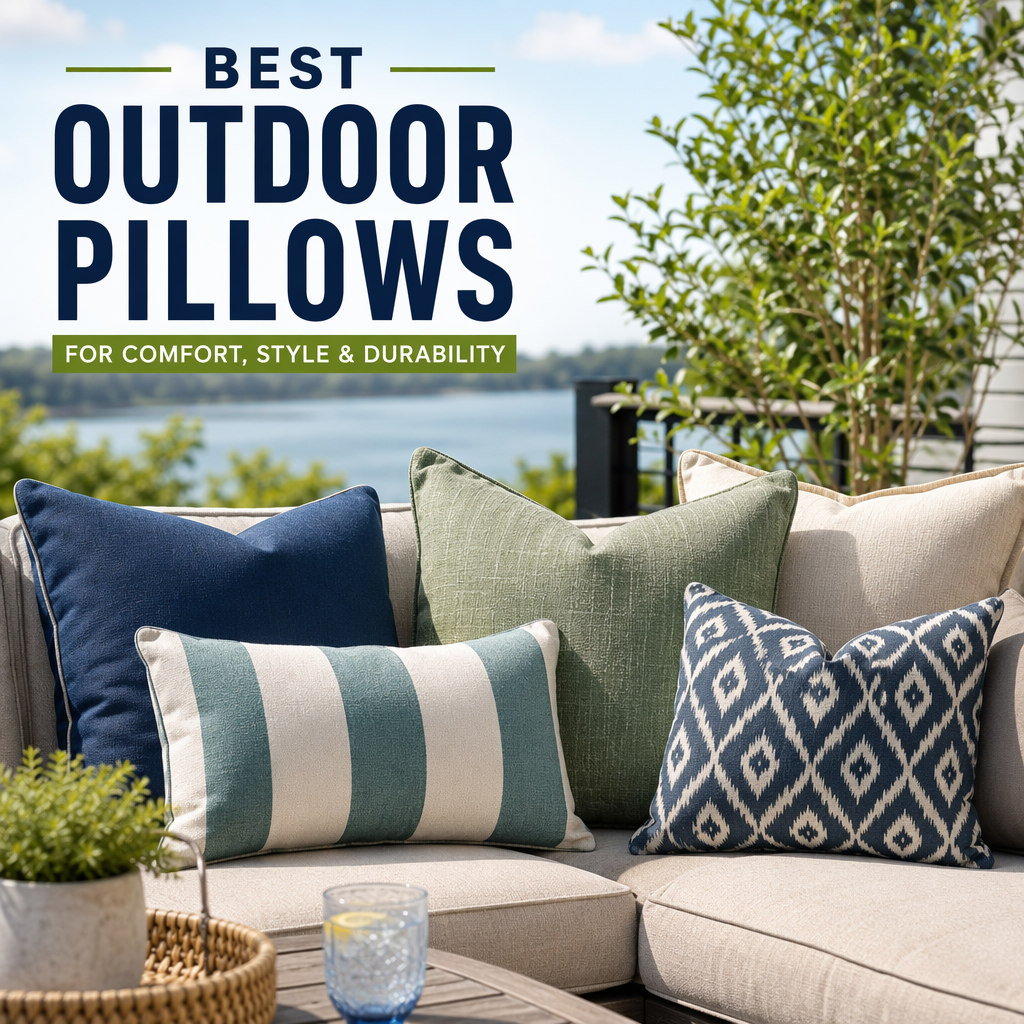
An outdoor pillow is a decorative or supportive cushion designed for exterior living spaces. It can be used on patio chairs, benches, sofas, loungers, swings, and outdoor beds.
Most outdoor pillows have two main components:
- Weather-resistant fabric: The cover is designed to resist fading, moisture, stains, or mildew.
- Outdoor-suitable filling: The insert typically uses polyester fiber or quick-drying foam that absorbs less water than many indoor materials.
Outdoor pillows are available as throw pillows, lumbar pillows, seat cushions, back cushions, bolster pillows, and floor pillows. Some are primarily decorative, while others provide support and improve seating comfort.
Outdoor Pillows vs. Indoor Pillows
Indoor and outdoor pillows may look similar, but their materials perform differently.
Outdoor pillow fabric is usually treated or manufactured to resist ultraviolet rays, moisture, and stains. Indoor materials such as velvet, untreated cotton, down, and standard linen can fade, retain water, or develop mildew when left outside.
Key differences include:
| Feature | Outdoor Pillow | Indoor Pillow |
|---|---|---|
| UV resistance | Often included | Usually limited |
| Water resistance | Moderate to high | Generally low |
| Drying time | Faster | Often slower |
| Mildew resistance | Common | Less common |
| Cleaning | Usually easier | Depends on fabric |
| Outdoor durability | Designed for exterior use | Best kept indoors |
An indoor pillow can be used outside temporarily in dry weather, but it should not remain outdoors overnight or during rain. For long-term patio use, a purpose-made pillow outdoor is the safer choice.
How to Choose the Best Outdoor Pillow
The best outdoor pillow should fit your furniture, climate, comfort needs, and preferred level of maintenance. Consider the following factors before buying a pillow outdoor.
1. Choose Weather-Resistant Fabric
The cover material has the greatest effect on durability. Common outdoor pillow fabrics include polyester, acrylic, olefin, and solution-dyed performance textiles.
Polyester
Polyester is affordable, widely available, and offered in many colors and patterns. Treated polyester can resist water and fading, although lower-cost versions may lose color after prolonged sun exposure.
It works well for covered patios and seasonal outdoor spaces.
Acrylic
Outdoor acrylic fabric is soft, durable, and highly resistant to fading. Solution-dyed acrylic is particularly suitable for sunny areas because color is added to the fibers during manufacturing rather than applied only to the surface.
A pillow outdoor with quality acrylic can feel great and look fresh for more seasons, even with frequent use.
Olefin
Olefin is resistant to moisture, stains, abrasion, and mildew. It dries quickly and performs well near pools or in humid environments. It also offers good value for areas that receive regular use.
Outdoor Canvas
Outdoor canvas provides a sturdy, structured appearance. However, not every canvas fabric is weather-resistant. Check that the product is specifically labeled for outdoor use.
2. Understand Water-Resistant vs. Waterproof
These terms are not interchangeable.
- Water-resistant pillows can repel light rain and minor spills but may absorb water during prolonged exposure.
- Water-repellent pillows have a surface treatment that causes water to bead up temporarily.
- Waterproof pillows use a barrier designed to prevent water from reaching the filling.
Many patio pillows are water-resistant rather than fully waterproof. Even a high-quality pillow outdoor product should be stored during severe weather unless the manufacturer states that it can remain exposed.
If you want extra protection, consider reviewing Waterproof Outdoor Pillow Covers for All Weather (Rain, Spills & Mildew Protection) to help shield your inserts.
3. Look for UV and Fade Resistance
Sunlight can weaken fabric and cause colors to fade. This is especially important for pillows placed on uncovered decks, poolside furniture, or south-facing patios.
Look for labels such as:
- UV-resistant
- Fade-resistant
- Solution-dyed
- Outdoor performance fabric
Dark and highly saturated colors may show fading more clearly over time. Neutral tones, textured designs, and multicolor patterns can help disguise minor sun damage. For a long-lasting pillow outdoor, UV protection is one of the biggest differentiators.
4. Select the Right Filling
Outdoor pillow inserts should be lightweight, resilient, and quick-drying. The right fill is what makes a pillow outdoor feel supportive instead of heavy and soggy.
Common filling materials include:
- Polyester fiberfill: Soft, affordable, and suitable for decorative throw pillows.
- Shredded polyester: Flexible and comfortable, with a fuller appearance.
- Quick-drying foam: Supportive and designed to allow water and air to pass through.
- Polyurethane foam: Often used in seat or back cushions but should have proper drainage and a protective cover.
Avoid down and feather inserts for permanent outdoor use. They can retain moisture, dry slowly, and develop odors or mildew.
5. Choose the Correct Size
Outdoor throw pillows commonly measure:
- 16 x 16 inches
- 18 x 18 inches
- 20 x 20 inches
- 22 x 22 inches
- 12 x 20 inches for lumbar pillows
Small chairs generally work well with 16- or 18-inch pillow outdoor options. Deep outdoor sofas can accommodate 20- to 24-inch pillows. Lumbar pillows are useful on dining chairs, benches, and upright seating where lower-back support is needed.
Measure the width and depth of your furniture before ordering. A pillow that is too large can reduce usable seat space, while one that is too small may provide little support.
6. Check the Construction
Well-made outdoor pillows generally last longer and maintain their shape better. Useful features include:
- Reinforced seams
- Durable outdoor thread
- Hidden or covered zippers
- Removable covers
- Secure closures
- Double-stitched edges
- Piping or welted trim
- Drainage-friendly inserts
A removable cover makes deep cleaning and replacement much easier. However, zipperless designs can also perform well if the entire pillow outdoor is washable.
Best Outdoor Pillow Types for Different Spaces
Different exterior areas require different levels of durability and support.
Patio and Deck Pillows
For open patios and decks, prioritize strong UV resistance and fast-drying materials. Solution-dyed acrylic or olefin covers are often appropriate for these high-exposure locations.
Covered Porch Pillows
A covered porch offers greater protection from direct rain and sunlight. Treated polyester pillows may be sufficient, especially if they are stored during windy or wet weather.
Poolside Pillows
Poolside pillows should resist chlorine, moisture, mildew, and fading. Olefin and performance acrylic fabrics are good options. Avoid highly absorbent covers and fillings to keep your pillow outdoor fresh around water.
Balcony Pillows
Balconies often have limited space, so use a small number of appropriately sized pillows. Lumbar designs can add comfort without occupying too much seating area. Secure or store lightweight pillows during strong winds.
Outdoor Dining Pillows
Dining chairs benefit from slim lumbar pillows or compact back cushions. Choose stain-resistant covers that can be wiped down after meals for easier maintenance of your pillow outdoor.
Outdoor Floor Pillows
Outdoor floor pillows create casual seating for gatherings, picnics, or covered lounges. Look for thick, abrasion-resistant fabric and supportive filling. They should be kept off wet ground and stored when not in use.
How to Style Outdoor Pillows
Outdoor pillows can connect patio furniture with the surrounding architecture, landscaping, and accessories. A well-chosen pillow outdoor set can also make small spaces feel more inviting.
Build a Simple Color Palette
Choose two or three main colors based on existing elements such as furniture frames, rugs, umbrellas, planters, or exterior paint.
For example:
- Beige furniture with navy and white pillows
- Black metal seating with green botanical prints
- Natural wood furniture with rust, cream, and olive accents
- Gray wicker with blue, teal, and neutral patterns
Mix Patterns Carefully
Combining patterns creates depth, but the designs should share at least one color. A balanced arrangement might include:
- One large botanical or geometric print
- One medium-scale stripe
- One small repeated pattern
- One or two solid-color pillows
Varying the scale of the patterns prevents the arrangement from looking overly busy.
Use Different Shapes
Square pillows provide fullness, while rectangular lumbar pillows add support and visual contrast. Bolster pillows can work well on daybeds, benches, and deep sofas.
Avoid Overcrowding
Outdoor seating should remain functional. On a standard patio sofa, three to five throw pillows are often enough. A chair usually needs only one decorative or lumbar pillow.
How to Clean Outdoor Pillows
Cleaning instructions vary by manufacturer, so always check the care label first.
For routine maintenance:
- Shake or brush away loose dirt.
- Vacuum seams and textured areas using an upholstery attachment.
- Mix mild soap with lukewarm water.
- Apply the solution with a soft cloth or sponge.
- Gently clean stained areas without aggressive scrubbing.
- Rinse thoroughly if the care instructions permit it.
- Allow the pillow to air-dry completely.
Do not place a damp pillow into a storage box. Trapped moisture can encourage mildew and unpleasant odors—one reason proper drying matters for any pillow outdoor setup.
Cleaning Removable Covers
If a cover is machine washable, close the zipper before washing and use a gentle cycle. Avoid bleach, high heat, and strong detergents unless the manufacturer specifically allows them.
Air-drying is generally safer than tumble-drying because high temperatures can shrink the fabric or damage water-repellent treatments.
Removing Mildew
Mildew should be treated as soon as possible.
Begin by brushing loose growth outdoors. Clean the affected area with a manufacturer-approved solution. Mild soap and water may be sufficient for light surface mildew, while some performance fabrics can tolerate diluted bleach.
Never use bleach without checking the care instructions, as it can weaken fibers or alter color.
For additional guidance on mildew and cleaning practices, see the Centers for Disease Control and Prevention (CDC).
How to Keep Outdoor Pillows From Blowing Away
Lightweight patio pillows can move during windy weather. Several methods can help keep them secure:
- Use pillows with ties or straps.
- Add hook-and-loop fasteners designed for outdoor textiles.
- Place non-slip material between the pillow and furniture.
- Choose heavier or denser inserts.
- Store pillows when high winds are expected.
- Position seating near a windbreak, where appropriate.
Avoid permanent adhesives that may damage the furniture or make the covers difficult to clean.
How to Store Outdoor Pillows
Proper storage can extend the life of any pillow outdoor collection.
Before storing pillows:
- Clean off dirt, pollen, and food residue.
- Make sure every pillow is completely dry.
- Place the pillows in a ventilated deck box, storage bench, cabinet, or indoor closet.
- Keep them away from direct floor moisture and pests.
- Avoid compressing them for long periods, as this can damage the filling.
During winter or extended periods of non-use, indoor storage is preferable. A deck box is convenient for daily use, but it should be weather-resistant and positioned where water cannot collect inside.
Can Outdoor Pillows Be Left Outside?
Some outdoor pillows can tolerate occasional rain, but leaving them outside continuously will usually shorten their lifespan. Constant exposure to sunlight, moisture, pollen, dirt, and temperature changes can affect even durable performance fabrics.
Bring pillow outdoor pieces inside or place them in covered storage during:
- Heavy rain
- Storms or high winds
- Freezing weather
- Extended periods of non-use
- Winter months
- Prolonged humid conditions
If a pillow becomes soaked, stand it on its edge in a well-ventilated location. This allows water to drain and air to circulate around both sides.
How Long Do Outdoor Pillows Last?
Outdoor pillows often last between two and five seasons, although durability depends on material quality, exposure, climate, and maintenance. With good care, a pillow outdoor purchase can stay comfortable and presentable for multiple seasons.
Pillows may last longer when they are:
- Made with solution-dyed performance fabric
- Protected from intense afternoon sun
- Stored during storms and winter
- Cleaned regularly
- Dried thoroughly after getting wet
- Rotated to distribute wear
Replacement may be necessary when the fabric tears, stains cannot be removed, the filling loses its shape, or mildew penetrates the insert.
Are Expensive Outdoor Pillows Worth It?
Higher-priced outdoor pillows may be worthwhile in spaces that receive intense sunlight or frequent use. Premium options often provide better fade resistance, stronger stitching, removable covers, and higher-quality inserts. For many buyers, a durable pillow outdoor option pays off by reducing seasonal replacements.
Budget-friendly pillows can still work well on a covered porch or in a seasonal seating area. Rather than considering price alone, compare:
- Fabric type
- UV protection
- Water resistance
- Seam quality
- Insert material
- Cleaning instructions
- Warranty coverage
A moderately priced pillow outdoor with a removable performance-fabric cover may provide better long-term value than a cheaper pillow that must be replaced every season.
Frequently Asked Questions About Outdoor Pillows
Are outdoor pillows completely waterproof?
Most are not completely waterproof. They are usually water-resistant or water-repellent. Check the product specifications if you need a pillow for an uncovered or poolside area.
Can outdoor pillows go in the washing machine?
Some removable covers and full pillows are machine washable, but others require spot cleaning. Follow the care label to avoid damaging the fabric, coating, or filling.
Can outdoor pillows stay outside in winter?
It is better to store them indoors during winter. Freezing temperatures, snow, moisture, and repeated thawing can damage fabric and filling.
How can I make outdoor pillows more comfortable?
Choose a fuller insert, add a supportive lumbar pillow, or use quick-drying foam for firmer support. The pillow outdoor should complement the depth and angle of the seat rather than push the user too far forward.
Can I use regular pillow inserts in outdoor covers?
A standard insert can be used temporarily in a protected area, but outdoor-rated polyester or quick-drying inserts are better for moisture management. Indoor down or feather inserts should not be left outside.
How do I prevent outdoor pillows from fading?
Choose UV-resistant, solution-dyed fabric and limit direct sun exposure when possible. Store pillow outdoor pieces when they are not being used and rotate them regularly so all sides receive similar exposure.
What color outdoor pillow hides dirt best?
Medium-tone neutrals, textured fabrics, and multicolor patterns tend to hide dust and minor marks better than solid white or very dark colors. However, performance fabric and stain resistance are more important than color alone.
Final Outdoor Pillow Buying Checklist
Before purchasing an outdoor pillow, confirm that it offers:
- Outdoor-rated fabric
- UV and fade resistance
- Water- or moisture-resistant construction
- Quick-drying filling
- A suitable size for the furniture
- Durable seams and closures
- Clear cleaning instructions
- A removable cover, if preferred
- Colors and patterns that suit the space
- Appropriate performance for the local climate
The right pillow outdoor combines comfort, durability, and visual appeal. By choosing weather-resistant materials, measuring carefully, and storing pillows during harsh conditions, you can create an outdoor seating area that remains attractive and comfortable across multiple seasons.
If you’re building a coordinated outdoor look, browse more ideas in our guide to Outdoor Pillows Decorating: Easy Ideas to Transform Your Space.




Add comment