
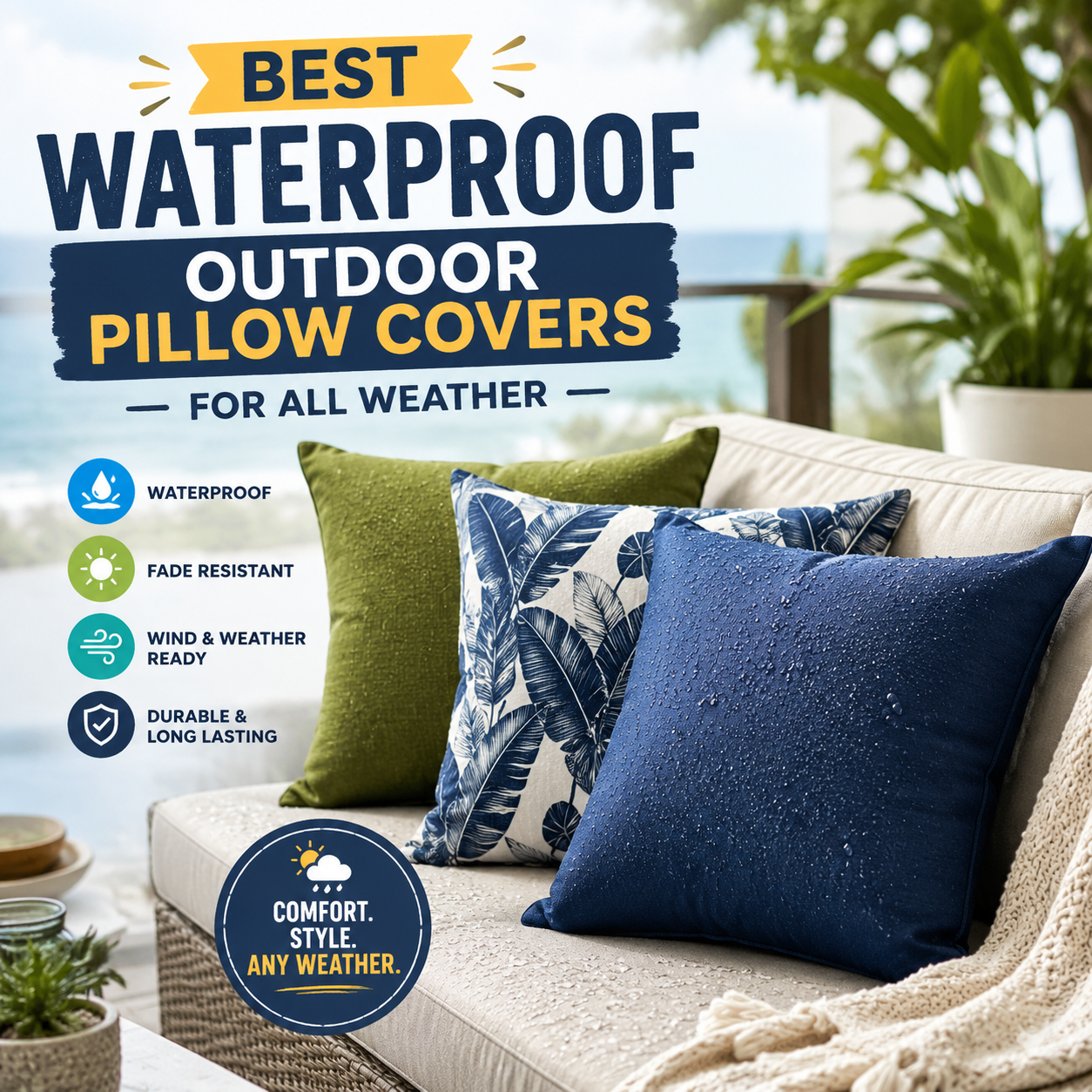
Waterproof Outdoor Pillow Covers are a practical way to protect patio cushions from the everyday mess that comes with outdoor living—rain showers, morning dew, spills, dust, and even pollen. When your covers are built for wet weather, your outdoor pillows stay looking fresher and your seating area remains more comfortable and welcoming, season after season.
In this guide, you’ll learn how waterproof outdoor pillow covers work, how they differ from water-resistant options, what materials and features matter most, and how to choose the right fit for your pillow inserts. You’ll also find cleaning and storage tips to help the covers last longer and perform better outdoors.
Table of Contents
What Are Waterproof Outdoor Pillow Covers?
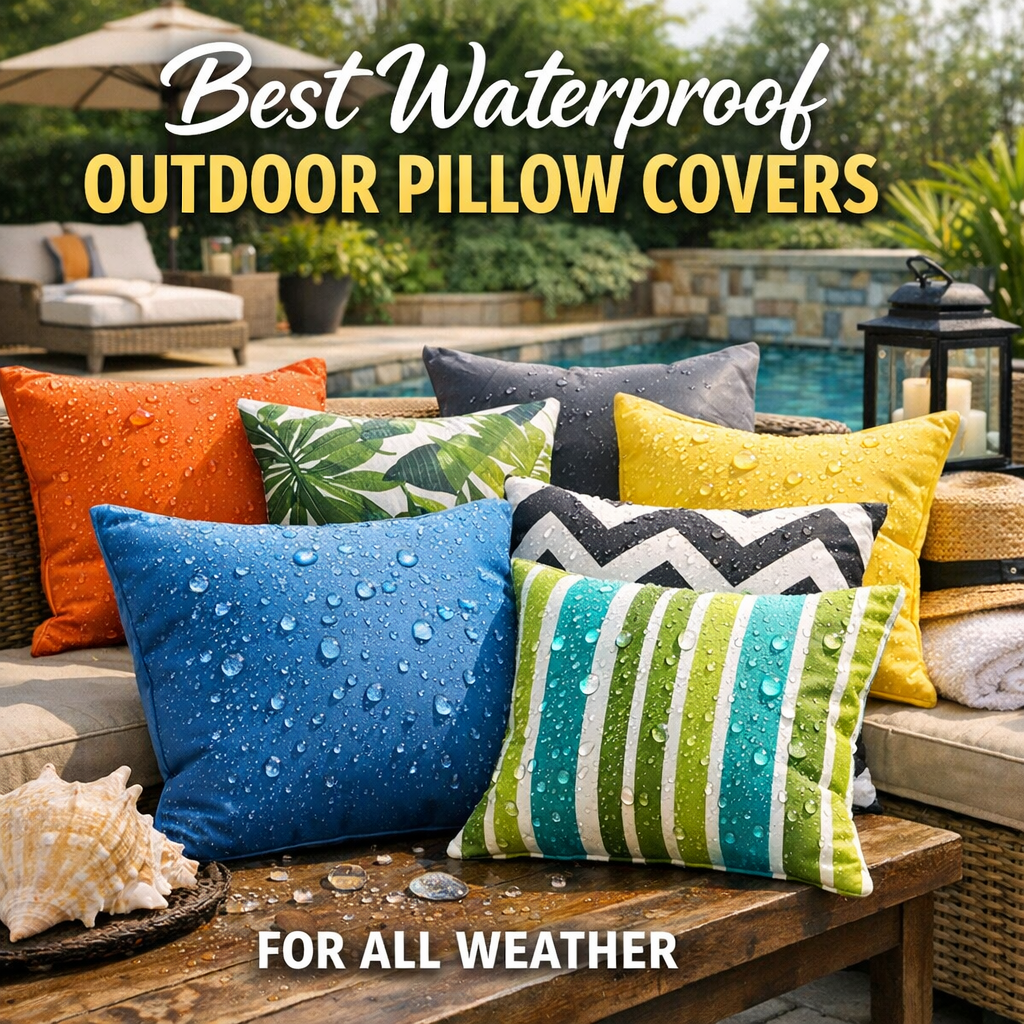
Waterproof Outdoor Pillow Covers are protective fabric shells designed to resist water penetration. They slip over pillow inserts and help prevent moisture from soaking into the filling. Unlike many indoor decorative covers, outdoor styles are typically made with weather-ready materials and construction that are meant to handle rain, humidity, and outdoor exposure.
Depending on the product, waterproof outdoor pillow covers may be made with coated or solution-dyed fabrics, tightly woven fibers, or laminated layers. Many also include protective seam construction, sealed openings, and closure systems intended to reduce water entry.
It’s also important to understand that “waterproof” claims vary. Some covers are truly designed to prevent water from passing through under typical outdoor conditions. Others are water-resistant or “all-weather,” meaning they stand up to light moisture and splashes but may not fully protect during long periods of heavy rain.
In practice, the goal is simple: keep water from reaching the pillow insert as much as possible so your cushions don’t stay damp longer than necessary. The less time the inside filling remains wet, the lower the risk of musty odors, mildew staining, and premature wear.
Why Use Waterproof Outdoor Pillow Covers?
Outdoor pillows experience more than just sunshine. They can be hit by sudden storms, exposed to sprinklers, collect dust and pollen, and take on spills from drinks and snacks. Waterproof outdoor pillow covers help by creating a barrier between your pillow insert and the elements.
Common benefits include:
- Blocking moisture from reaching the pillow insert
- Reducing the chances of mold and mildew growth
- Protecting against everyday spills and surface stains
- Extending the usable life of outdoor pillows and inserts
- Making cleanup easier with quick wipe-downs or simple washing
- Keeping outdoor décor looking fresher longer by reducing discoloration from moisture and dirt
These advantages matter most when pillows are left outside for extended periods. If you have a patio, deck, or porch seating area where pillows are part of daily comfort, a quality cover can significantly reduce how often you need to replace inserts or refresh covers.
Waterproof covers are also a smart choice for families that entertain often, homeowners with pets, and anyone in humid or rainy climates. Even if your outdoor furniture is partially sheltered, small leaks, wind-driven rain, or occasional splashes can still happen—covers help manage those moments without disrupting your outdoor routine.
If you’re looking to build a complete outdoor comfort setup, pairing the right covers with a matched cushion system can improve performance. For more ideas, review outdoor pillows and cushions for any patio.
Waterproof vs. Water-Resistant: What’s the Difference?
Many shoppers use “waterproof” and “water-resistant” interchangeably, but they describe different levels of protection. The distinction affects how a cover behaves during light rain versus prolonged exposure.
Waterproof
A waterproof outdoor pillow cover is designed to stop water from passing through the material easily. It typically offers stronger protection in wet conditions, especially when paired with features like reinforced seams and secure closures.
Water-Resistant
A water-resistant cover can repel small amounts of water and handle short-term moisture exposure. However, it may eventually absorb moisture if it stays wet for an extended time or if rain is heavy and persistent.
Which One Should You Choose?
If your pillows remain outdoors year-round or you frequently experience storms, waterproof coverage is usually the better choice. If your seating is mostly covered—under a porch ceiling, pergola, or awning—water-resistant options may be sufficient.
To make sure you’re buying the right protection level for your setup, compare how each product describes its weather performance and what features it includes for seam strength, closure security, and drying.
For a deeper look at weather protection and what to consider across outdoor pillow types, see waterproof outdoor pillows.
Best Materials for Waterproof Outdoor Pillow Covers
Material choice affects water resistance, comfort, cleaning ease, and long-term durability. The best outdoor pillow covers usually use one of the following fabric types—often with a finish or construction method that improves outdoor performance.
Polyester
Polyester is one of the most common choices because it’s durable, widely available, and generally easy to maintain. Many polyester covers use treated fibers or coatings to improve moisture resistance. Polyester can also provide consistent color performance outdoors when the fabric includes UV-resistant finishing.
Olefin
Olefin is known for resistance to moisture, stains, and fading. It’s a strong option for outdoor use and often feels softer than some vinyl-coated materials. Olefin also tends to be practical for high-traffic outdoor areas because it handles everyday exposure well.
Acrylic
Solution-dyed acrylic fabrics are popular for premium outdoor cushions and covers. They resist fading and maintain color over time, especially with proper care. Acrylic can offer a good balance of comfort and weather protection, particularly when the cover construction includes sealed openings or strong closures.
Vinyl-Coated Fabrics
Vinyl-coated or laminated fabrics can be highly water-resistant and are typically easy to wipe clean. They are often chosen for poolside or fast-clean environments. The tradeoff is that vinyl-based covers may feel less breathable or less soft than woven fabric options, depending on the design.
When narrowing down materials, it helps to consider how your pillows will be used—casual lounging, dining seating, or poolside relaxation all change how quickly moisture and dirt can accumulate.
If you also want guidance on waterproofing choices across cushions and inserts, explore outdoor pillow covers or outdoor cushions waterproof options.
Features to Look for in Waterproof Outdoor Pillow Covers
Two covers can both claim waterproof performance, but construction details often decide how well they actually protect. Before buying, evaluate the following features to find a cover that matches your climate and usage.
1. Secure Closure
Look for a zipper, hidden zipper, or envelope closure that keeps the insert from shifting or exposing seams. A strong closure reduces the chance of water working its way inside with wind-driven rain.
2. Sealed or Reinforced Seams
Moisture can enter through stitching lines, especially if seams are not reinforced. Sealed seams or reinforced stitching improves water resistance and durability. This is particularly important for pillows exposed to frequent wet weather.
3. UV Resistance
Outdoor pillows are exposed to sun that can degrade color and fabric strength. UV-resistant covers help maintain appearance and reduce premature fading. This matters even if your main concern is waterproofing—sun and moisture often occur together outdoors.
4. Easy-Clean Surface
An easy-to-clean surface makes upkeep much simpler. Depending on the fabric, you may be able to wipe the cover clean after light spills, then do deeper cleaning as needed.
5. Mold and Mildew Resistance
Moist environments increase the risk of mildew odor and staining. Covers that are designed to resist mold or that support faster drying can help reduce buildup and keep pillows fresher.
6. Breathability
Even with waterproof protection, trapped moisture can be uncomfortable. Breathable fabrics or moisture-managing construction can help reduce the chance of lingering dampness inside the pillow.
7. Outdoor-Ready Fill Compatibility
Waterproof covers perform best when paired with suitable inserts. Outdoor-rated inserts often dry faster and are formulated to handle moisture better than standard indoor fills. Matching cover and insert performance can reduce the risk of long dry times.
8. Size and Fit
A snug cover fit helps protect seams and prevents the insert from shifting. If the cover is too loose, gaps can form where water or dirt settles and is harder to clean out.
How to Choose the Right Waterproof Outdoor Pillow Covers
Choosing the right waterproof outdoor pillow covers depends on your exact seating setup and the conditions your pillows face. Consider the following steps to make a confident selection.
Measure Your Pillow Inserts
Measure the length, width, and thickness of the insert you plan to use. Then choose a cover that matches those dimensions closely. A cover that fits properly looks fuller, stays in place better, and helps protect the insert from moisture at the edges.
Think About Exposure
- Fully exposed furniture: prioritize stronger waterproof claims and seam/closure protection.
- Covered patios: a high-quality water-resistant option may work if exposure to heavy rain is limited.
- Poolside and coastal areas: look for extra moisture and weather performance, since humidity and salty air can affect long-term fabric durability and odor control.
Match the Style of Your Space
Outdoor pillow covers come in many colors, patterns, and textures. When choosing style, keep practicality in mind. Dark colors can hide light dirt, while lighter shades may show stains sooner. If your space gets direct sun, UV-resistant fabric helps maintain your look longer.
Check Maintenance Needs
Review the care instructions before purchasing. Some covers are machine washable, while others require spot cleaning or gentle wiping only. Select a cover you can realistically maintain without skipping routine cleaning.
Consider Comfort and Feel
If your pillows are used for lounging or frequent sitting, comfort matters. Even waterproof covers should provide a pleasant surface. Consider texture and thickness so the pillows remain supportive and comfortable, not overly stiff or sticky when damp.
Look for Long-Term Value
Long-term value often comes from durability, UV resistance, and how well the cover holds up through repeated cleaning and weather cycles. A cover that costs a bit more can be worth it if it resists fading and keeps the insert protected.
If you’re upgrading more than just the pillow covers, it can help to coordinate across cushions and accessories. For complementary options, explore outdoor furniture cushions.
Are Waterproof Outdoor Pillow Covers Truly Waterproof?
This is a common question, and the answer depends on the specific product. Some covers are designed to be fully waterproof, while others are treated or finished to resist water.
Product descriptions may use terms such as:
- Waterproof
- Water-repellent
- Weather-resistant
- All-weather
To avoid confusion, read the product details carefully. If you need protection from heavy rain or frequent exposure, look for clear waterproof claims and features such as sealed seams, secure closures, and durable outdoor fabric construction.
For a practical reference on how accurate claims are communicated in advertising and product information, see the Federal Trade Commission’s guidance.
How to Clean Waterproof Outdoor Pillow Covers
Cleaning waterproof outdoor pillow covers is usually straightforward, but the method depends on the material and coating. A consistent cleaning routine helps prevent dirt buildup that can trap moisture and shorten the life of the cover.
General Cleaning Tips
- Shake off dirt and debris regularly.
- Wipe the surface with a damp cloth after spills.
- Use mild soap and water for stains.
- Air dry completely before reuse.
- Avoid harsh bleach unless the care label specifically allows it.
Machine-Washable Covers
Some covers can be removed and washed on a gentle cycle. Always check the care label first, since aggressive detergents, high heat, or frequent machine washing can wear down coatings and reduce water resistance.
Spot Cleaning for Quick Maintenance
For everyday messes, spot cleaning is often enough. A quick wipe after spills—before stains set—can keep covers looking clean and can reduce odor-causing residue.
Preventing Mildew
Even waterproof covers need proper drying. If pillows are exposed to rain and left damp for long periods, moisture can linger on the surface and lead to mildew odors. After storms, rinse or wipe away residue when needed and allow full drying before storing.
Storage Tips for Off-Season Use
When the weather turns cold or your patio sits unused, store clean and completely dry covers in a breathable container. Avoid sealing covers while they’re still damp, because trapped moisture can create musty smells and mildew.
For best results, store covers away from direct heat sources and keep them flat or loosely folded to reduce stress on seams and closures.
How Long Do Waterproof Outdoor Pillow Covers Last?
The lifespan of waterproof outdoor pillow covers depends on fabric quality, weather exposure, and how well you maintain them. High-quality covers with good UV resistance, strong stitching, and durable closures can last multiple seasons or longer.
Several factors affect how long the covers remain effective:
- Sun exposure: UV can fade color and weaken fibers over time.
- Frequency of rain: more storms mean more cycles of wetting and drying.
- Storage during off-season: proper drying and breathable storage help prevent odor and material damage.
- Cleaning habits: following care instructions helps protect waterproof finishes and coatings.
- Overall fabric quality: higher-quality materials generally hold up better.
In harsher climates—especially where pillows stay outdoors year-round—replacement may be sooner. In milder or more sheltered setups, covers can remain attractive and protective for many months or years with routine care.
When you do need replacements, focusing on waterproof outdoor pillow covers with strong seams, reliable closures, and UV-resistant materials often provides better long-term value than repeatedly replacing lower-durability covers.
Frequently Asked Questions
Can You Use Indoor Pillow Inserts in Outdoor Covers?
Yes, but it isn’t always ideal. Indoor inserts can be used in waterproof outdoor pillow covers if necessary, but they may hold moisture longer if the cover is opened or if water exposure is frequent. Outdoor-rated inserts generally dry faster and resist mildew better.
Do Waterproof Outdoor Pillow Covers Need to Be Taken Inside?
It’s a good idea to bring pillows in during long periods of extreme weather or when storing them for the off-season. Even durable waterproof covers perform best when they’re kept dry and protected from extended moisture exposure.
What Size Cover Should I Buy?
Choose a cover that matches your insert size as closely as possible. A snug fit helps the pillow look full, supports the insert properly, and reduces gaps where water can enter.
Are Waterproof Covers Comfortable for Everyday Use?
Yes—comfort depends on the cover material and thickness. Many waterproof outdoor pillow covers use soft, outdoor-rated fabrics that balance weather protection with a comfortable feel for daily lounging and seating.
Will Waterproof Covers Prevent Stains From Spills?
Waterproof Outdoor Pillow Covers help reduce stain risk by keeping moisture away from the insert and making cleanup easier. However, some stains can still occur if spills aren’t cleaned promptly or if dirt is ground into the surface. Quick wiping and regular maintenance provide the best results.
With the right materials, correct fit, and proper cleaning routines, waterproof outdoor pillow covers can keep your seating area looking polished while protecting your pillows from everyday outdoor wear.



Add comment