
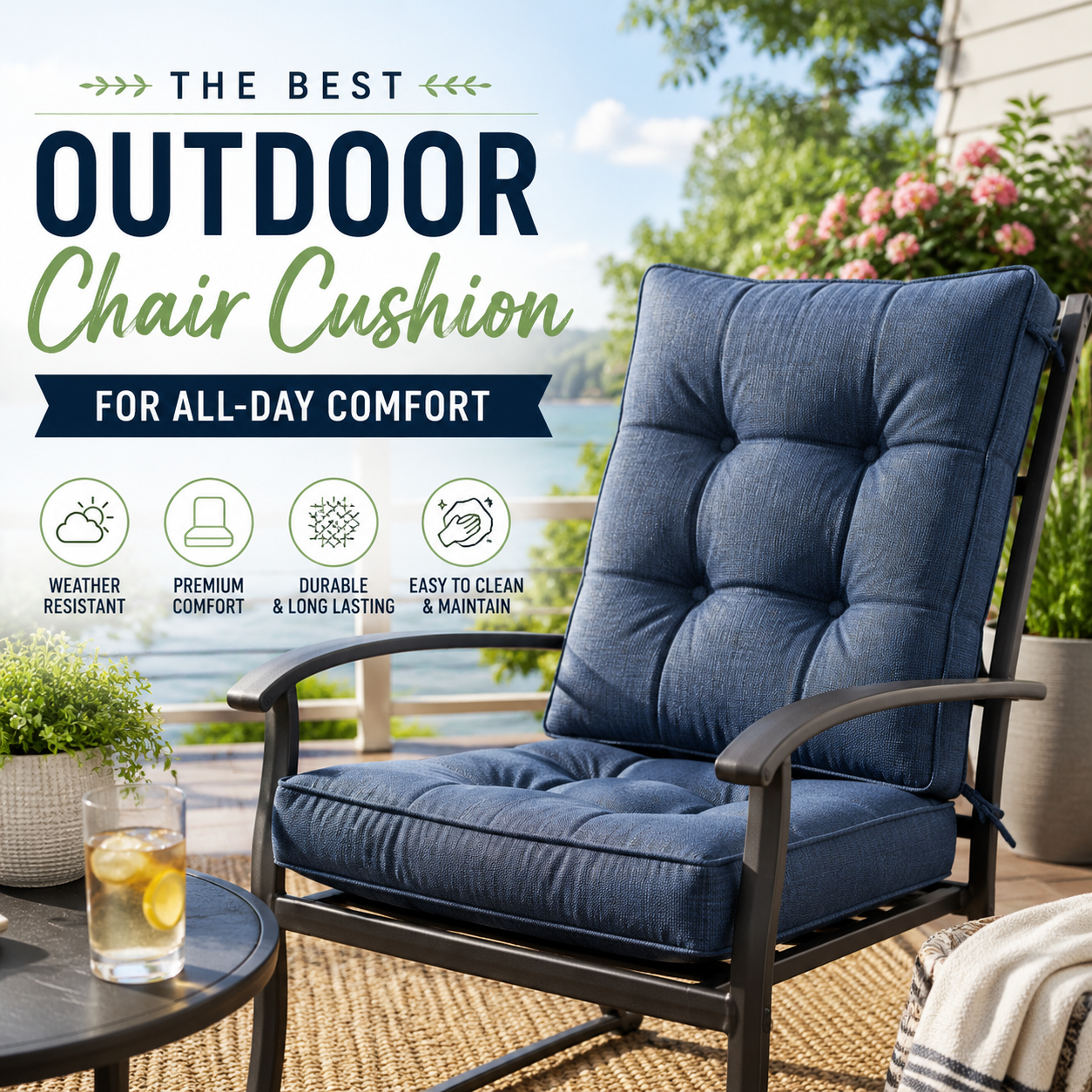
An outdoor chair cushion does more than add comfort. It can improve the look of your patio, make hard seating more enjoyable, and help your outdoor furniture feel more inviting. If you are shopping for an outdoor chair cushion, the main things to consider are size, material, durability, weather resistance, and how easy it is to clean.
This guide explains what an outdoor chair cushion is, how to choose the right one, what materials work best outside, and how to keep it in good condition. It also covers common buying mistakes, maintenance tips, and the features that matter most if your seating gets regular sun, rain, or heavy use.
Table of Contents
- What Is an Outdoor Chair Cushion?
- Why Outdoor Chair Cushions Matter
- How to Choose the Right Outdoor Chair Cushion
- Best Materials for Outdoor Chair Cushions
- Are Outdoor Chair Cushions Waterproof?
- How to Clean an Outdoor Chair Cushion
- How to Store Outdoor Chair Cushions
- How Long Do Outdoor Chair Cushions Last?
- Common Questions About Outdoor Chair Cushions
- Tips for Buying an Outdoor Chair Cushion
- Final Thoughts
What Is an Outdoor Chair Cushion?
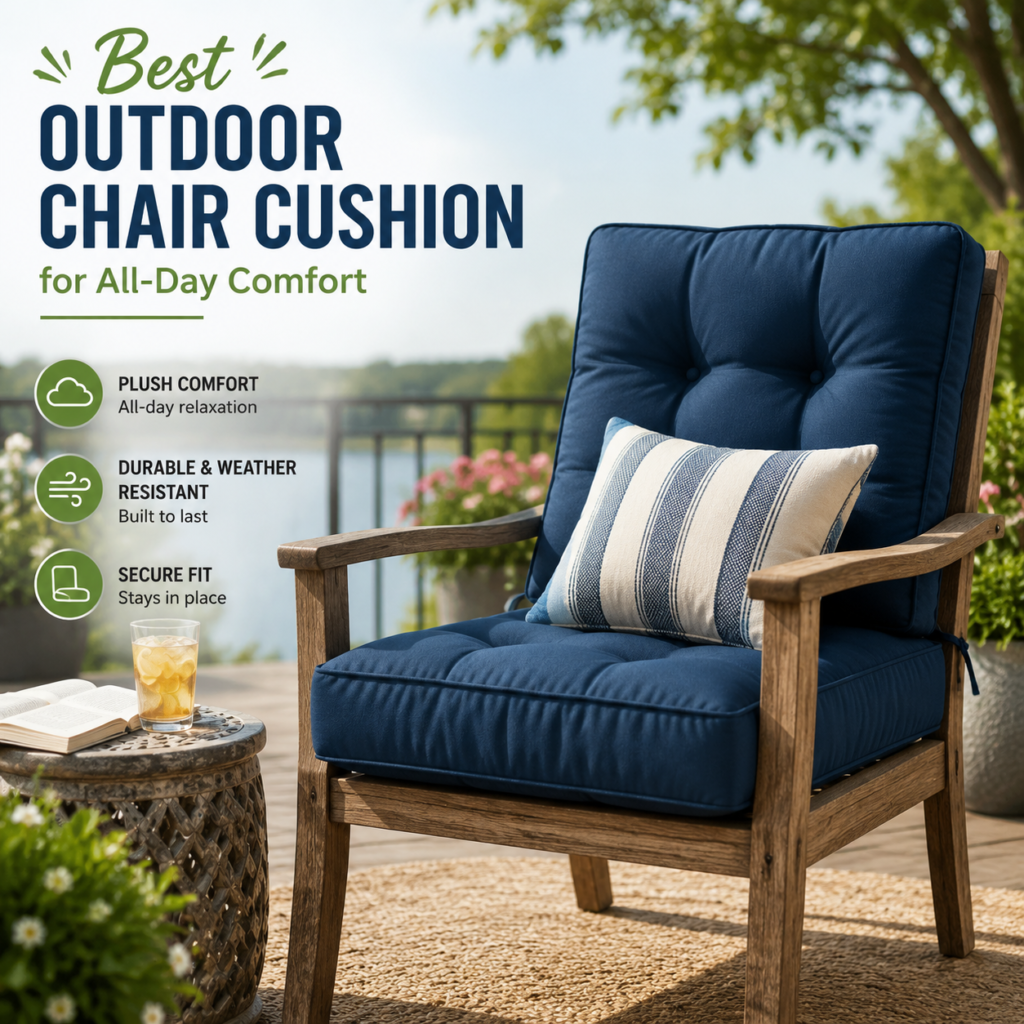
An outdoor chair cushion is a padded seat or back cushion made for patio, deck, garden, porch, or poolside chairs. Unlike indoor cushions, it is designed to handle outdoor conditions such as sunlight, humidity, light rain, and frequent use. The best versions are built to stay comfortable without breaking down too quickly when exposed to the elements.
Most outdoor chair cushions are made with:
- Weather-resistant fabric
- Quick-drying foam or polyester filling
- UV protection to reduce fading
- Ties, straps, or non-slip bottoms to keep them in place
These cushions can be used on dining chairs, lounge chairs, rocking chairs, and bistro chairs. Some are designed for simple square or rectangular seats, while others include both a seat and a back for more support during longer sitting sessions. The right choice depends on how you use your outdoor space and what kind of chair you already have.
For example, a small bistro chair may only need a thin seat pad, while a larger dining chair may benefit from a thicker cushion that provides more support. Lounge furniture often uses deeper cushions with more loft, especially when comfort is a priority for reading, chatting, or relaxing outside.
Why Outdoor Chair Cushions Matter
A good outdoor chair cushion can make a big difference in comfort and style. Even simple patio seating feels more finished when the right cushion is added, and the extra padding can encourage people to sit longer and enjoy the space.
Better Comfort
Outdoor furniture is often made from metal, wood, or plastic, which can feel hard after sitting for a while. A cushion adds softness and support. That matters even more for people who spend time outside at meals, during gatherings, or while working on the patio. If the seating feels good, the whole outdoor area becomes easier to enjoy.
Improved Appearance
Cushions can refresh old patio furniture and help tie together your outdoor decor with color and pattern. A well-chosen cushion can make a basic chair look more polished, seasonal, or coordinated with other outdoor pieces. This is one reason cushions are often used as an easy update when furniture still works well but needs a visual refresh.
Added Protection
Cushions can reduce wear on chair surfaces by limiting direct contact and friction. They also help protect you from hot seating surfaces during sunny weather. In some cases, they can even reduce the need to replace furniture as often because they help distribute pressure more evenly across the chair.
More Time Outdoors
When seating is more comfortable, people are more likely to spend time outside relaxing, eating, or entertaining. A patio that feels comfortable gets used more often, whether for family dinners, quiet mornings with coffee, or evening gatherings. In that sense, a cushion is a small upgrade that can change how often you use your outdoor space.
If you are also comparing broader patio comfort options, you may want to explore the best cozy outdoor cushions for patio seating.
How to Choose the Right Outdoor Chair Cushion
Choosing the right outdoor chair cushion starts with fit, then moves to material, style, and maintenance. The more carefully you choose, the better the cushion will perform over time.
1. Measure Your Chair First
The most important step is to measure the seat and back of your chair. Even a high-quality cushion will be frustrating if it does not match the shape or size of your furniture.
Measure:
- Seat width
- Seat depth
- Back height and width, if needed
- Thickness allowance, if the cushion is thick or padded
A cushion that is too small will slide around. One that is too large may look awkward or not fit properly. If the chair has curved edges, armrests, or a slanted back, take that shape into account before ordering. It is usually better to measure twice and compare the dimensions with the product details before buying.
2. Choose the Right Cushion Type
There are several common types of outdoor chair cushions:
- Seat cushions: Designed only for the seat area
- Back cushions: Provide support for the backrest
- Combination cushions: Cover both seat and back
- Deep seating cushions: Thicker cushions for lounge-style patio furniture
- Bench cushions: Longer cushions for benches or gliders
The best type depends on your chair style and how you plan to use it. Dining chairs usually need slimmer cushions that allow easy movement, while lounge chairs often call for thicker padding. If you want a softer feel for casual seating areas, a combination cushion may be the most practical choice because it supports both posture and comfort.
3. Look for Weather-Resistant Materials
Outdoor cushions should be made from materials that hold up well outside. The fabric and filling both matter, and the best products are designed to resist moisture, fading, and everyday wear.
Common features include:
- Solution-dyed acrylic fabric: Resists fading and handles sunlight well
- Polyester fabric: Affordable and widely used, often with water-resistant coating
- Olefin fabric: Durable, fade-resistant, and often easy to clean
- Quick-dry foam or polyester fill: Helps prevent moisture buildup
If your cushions will be exposed to weather often, look for fabric that is UV-resistant, water-repellent, and mold-resistant. That combination helps maintain both appearance and performance, especially in climates with frequent sun or sudden rain.
4. Check Cushion Thickness and Support
Thicker cushions usually feel softer, but too much thickness can make a chair sit too high or make it hard to get in and out of. It can also affect how stable you feel if the chair has a narrow seat or a low frame.
For dining chairs, medium-thickness cushions often work best. For lounge chairs, thicker cushions may be more comfortable. A good rule is to think about how long you sit and what kind of support your body needs. People who use outdoor chairs for meals may prefer a firmer cushion, while those using them for relaxing may want something plusher.
5. Consider Fastening Features
Outdoor chair cushions should stay in place, especially in wind or during frequent use. A cushion that slips constantly becomes annoying and can wear out more quickly from friction and movement.
Look for:
- Ties
- Velcro straps
- Grippy backs
- Hook-and-loop closures
These help keep cushions secure and reduce slipping. If the chair is used by children, older adults, or guests, secure fastening can also make seating feel safer and more stable.
6. Pick a Style That Matches Your Space
Color and pattern matter too. Neutral tones work well with most furniture, while bold colors can brighten a patio. Stripes, florals, and solid colors are all common choices.
Choose a style that fits your outdoor theme and will still look good over time. For a calm, modern space, muted shades often work best. For a more lively garden setting, brighter colors or patterns can add energy without changing the furniture itself. If your outdoor space already has a lot of visual detail, a simpler cushion design may be easier to coordinate.
7. Think About Daily Use
A cushion used once in a while does not need the same durability as one used every day. If you eat outdoors often, host guests frequently, or leave furniture on an exposed patio, it is worth choosing a stronger fabric and denser filling. On the other hand, for a protected porch or seasonal use, comfort and appearance may matter more than extreme weather resistance.
It can also help to think about who uses the chair. A cushion for an older adult may need more support and easier handling, while a cushion for a family dining area may need to resist spills and regular cleaning. Matching the product to the real use case will usually lead to better long-term satisfaction.
8. Plan for Sun, Shade, and Rain
Before you buy, consider how your outdoor seating is actually exposed throughout the day. Direct sun can fade some fabrics faster than others, even when they are labeled weather-resistant. Shade can extend cushion lifespan, but humidity and moisture still matter, especially in shaded areas where drying takes longer.
If your patio has a pergola, awning, or gazebo, you may have more flexibility with fabric choice. For all-weather coverage ideas, this guide may help: best UV protection gazebo for safe outdoor shade.
Best Materials for Outdoor Chair Cushions
Not all cushion materials are equal. The best outdoor chair cushion combines comfort with durability. Materials should feel good to sit on, but they should also stand up to the kind of weather and wear that outdoor furniture faces.
Fabric Options
Solution-Dyed Acrylic
This is one of the best fabrics for outdoor use. The color is added during the fiber-making process, which helps it resist fading.
Benefits:
- Excellent UV resistance
- Soft feel
- Durable
- Good for long-term outdoor exposure
Solution-dyed acrylic is a strong choice for sunny locations because it keeps its color better than many other fabrics. It is often used in higher-quality cushions where appearance and lifespan are both important.
Polyester
Polyester is common and budget-friendly. It can perform well outdoors, especially with a protective coating.
Benefits:
- Affordable
- Many style options
- Lightweight
- Easy to find
Polyester is a practical choice if you want lots of color and style options without paying a premium. It works best when the cushion has a good finish or coating to improve moisture resistance.
Olefin
Olefin is known for resisting moisture, stains, and fading.
Benefits:
- Good for sunny areas
- Holds color well
- Easy to maintain
This material is a favorite for outdoor settings where low maintenance matters. It is often a strong middle ground between affordability and durability.
Filling Options
Foam
Foam provides structured support and is often used in thicker cushions. It helps cushions keep their shape and makes them feel more substantial.
Quick-Dry Foam
This is a smart choice if the cushion may get wet. It allows water to drain and dry faster. Quick-dry foam can be especially useful around pools, in humid climates, or in places where cushions are not always brought inside right away.
Polyester Fiber Fill
This fill is soft and lightweight, often used in less structured cushions. It may not hold its shape as firmly as foam, but it can feel comfortable for lighter use and is often found in cushions that prioritize softness.
Stitching and Construction
Construction quality is just as important as fabric choice. Strong stitching, reinforced seams, and neat piping can help a cushion last longer. If you can inspect the product closely, look for even seams and stitching that appears tight and secure. Poor construction often shows up as early fraying or uneven flattening.
When an outdoor chair cushion is intended for outdoor use, the way it is made should support the materials. A well-constructed cushion is more likely to resist sagging, tear less easily, and keep its shape after regular use.
Removable Covers (If Available)
Some cushions come with removable covers, which can make cleaning much easier. Covers can also extend cushion lifespan because you may replace only the fabric shell when it becomes worn. If you regularly cook outdoors, eat on the patio, or have kids, a removable cover can be especially helpful.
Are Outdoor Chair Cushions Waterproof?
Some are water-resistant, but not fully waterproof. This is an important difference. Many buyers expect outdoor cushions to repel water completely, but in reality, most products are designed to handle moisture rather than to be submerged or left in heavy rain.
- Water-resistant means the cushion can handle light moisture or brief exposure
- Waterproof means water should not pass through, but fully waterproof cushions are less common and may trap moisture if poorly designed
For most outdoor spaces, water-resistant cushions are the better choice because they balance protection and breathability. A breathable cushion is usually more comfortable over time and less likely to hold trapped dampness inside the filling.
If you expect heavy rain, it is best to bring cushions indoors or use a storage box or cover. For deeper weather protection around the patio, see this guide to waterproof outdoor gazebos for all-weather protection.
For a quick reference on keeping outdoor fabrics in good condition, the Federal Trade Commission’s mold and mildew guidance is a helpful general resource.
How to Clean an Outdoor Chair Cushion
Cleaning an outdoor chair cushion does not have to be complicated. The key is to remove dirt and moisture quickly, use cleaning methods that match the fabric, and avoid shortcuts that can damage the outdoor coating.
Start With Basic Debris Removal
Before you use any cleaner, brush off loose dirt and debris. Use a soft brush or a dry cloth to remove dust, pollen, or surface grime. This prevents dirt from turning into mud when you add water.
Spot Clean for Spills
For food spills, drink marks, or sunscreen residue, spot cleaning is usually the fastest approach. Blot the area instead of scrubbing. Scrubbing can push stains deeper into the fabric and can also damage the outer finish.
If the cushion has a removable cover, follow the care instructions. If it does not, use a mild soap solution and test a small hidden area first to make sure the color and fabric finish stay intact.
Deeper Cleaning (When Needed)
When cushions look dull, smell musty, or have visible ground-in dirt, it may be time for a deeper clean. Use these general steps:
- Rinse gently with cool water to remove surface dirt.
- Use a mild cleaner recommended for outdoor fabrics when possible.
- Work in light circles, then rinse thoroughly.
- Allow the cushion to dry completely before use.
Never force cushions dry in a way that overheats the fabric. Outdoor cushion materials can be sensitive to extreme heat, and improper drying can cause fading or odor buildup.
Drying Tips to Prevent Odor and Mildew
Even water-resistant cushions can become damp. Drying well is one of the most important care steps. Place cushions in a shaded, well-ventilated area (or bring them indoors) until fully dry. If you notice any musty smell, continue drying and check that the filling is not trapped with moisture.
How to Store Outdoor Chair Cushions
Proper storage helps protect your investment. Whether you live in a place with winter weather or you simply want to keep cushions fresh between seasons, storage is where long-term durability really improves.
Clean First, Then Store
Before storing, wipe off dust and remove stains if possible. Storing a dirty cushion can lock in residue and make stains harder to remove later.
Keep Them Dry
Store cushions in a dry location with good airflow. If you use a cover, make sure it is breathable enough to reduce trapped moisture. A sealed bag or non-breathable container can create a damp environment inside.
Protect From Sun and Heat
Direct sun can fade fabrics even when cushions are not actively in use. Avoid storing them where they will stay in full light all day. Heat can also break down some coatings faster.






Add comment