
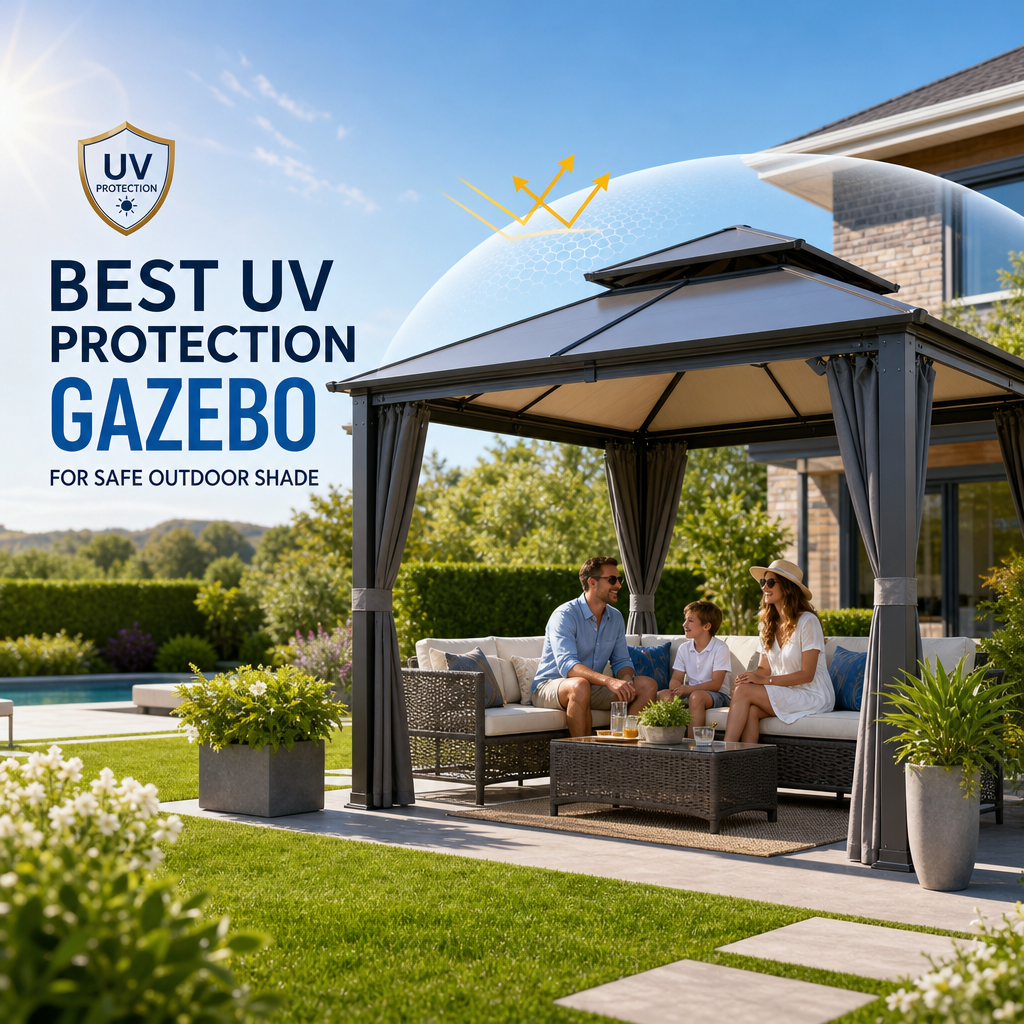
UV Protection Gazebo: A Practical Guide to Cooler, Safer Outdoor Living
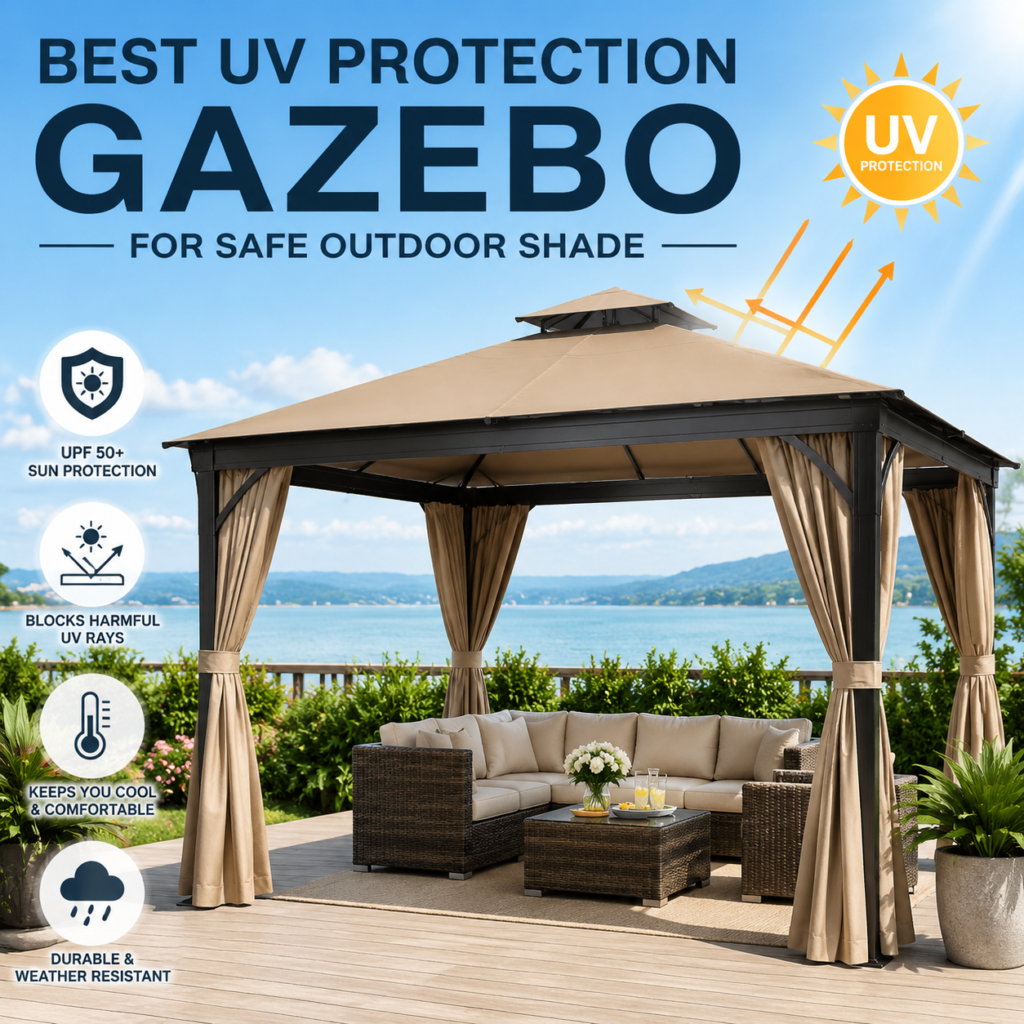
A gazebo can transform a backyard, patio, poolside area, or garden into a more comfortable place to relax. But if your outdoor space gets strong sun exposure, a standard gazebo may not be enough. That is where a UV protection gazebo comes in. Designed to help block harmful ultraviolet rays while still giving you an open-air experience, this type of structure can make outdoor living more enjoyable, more comfortable, and better suited for long-term use.
Whether you want shade for family gatherings, a protected spot for outdoor dining, or a more comfortable place to sit during summer afternoons, understanding how UV protection gazebos work can help you choose the right one. In this guide, we will explore what makes a gazebo UV protective, the benefits it offers, the materials to look for, and how to select and maintain the best option for your needs.
What Is a UV Protection Gazebo?
A UV protection gazebo is an outdoor shelter designed to reduce exposure to ultraviolet radiation from the sun. Unlike a basic decorative gazebo, this type of structure uses materials that help block or filter UV rays, which can be harmful to skin and can also fade furniture, fabrics, and other outdoor items over time.
UV protection gazebos may feature:
- Canopies made from UV-resistant fabric
- Polycarbonate roofing panels with sun-blocking properties
- Powder-coated metal frames for durability
- Side curtains or mesh panels that add more shade and privacy
Some models are permanent structures, while others are portable and can be moved around the yard or packed away when not in use. The level of UV protection depends on the materials used and the design of the gazebo.
Why UV Protection Matters Outdoors
Spending time outside has many benefits, but extended sun exposure can create risks. Ultraviolet rays are not always noticeable, but they can still affect your health and your property.
Health Benefits
A UV protection gazebo can help reduce direct sunlight exposure, which is important because UV rays can contribute to:
- Sunburn
- Premature skin aging
- Eye strain
- Long-term skin damage
While no gazebo can provide complete medical protection on its own, having a shaded space can significantly reduce your exposure during peak sunlight hours.
Comfort Benefits
A shaded gazebo is also simply more pleasant to use. UV-blocking materials can help:
- Lower temperatures underneath the structure
- Reduce glare
- Make seating areas more comfortable
- Protect guests during outdoor events
This is especially valuable in hot climates or in backyards with little natural shade.
Property Protection
Sun exposure does not only affect people. It can also damage:
- Outdoor cushions
- Rugs and furniture
- Grills and outdoor kitchens
- Wooden decking
- Decorative items
A UV protection gazebo helps preserve these items by shielding them from prolonged exposure.
Types of UV Protection Gazebos
There are several styles of gazebos that provide UV protection. The best one for you depends on how you plan to use it, where it will be placed, and how much maintenance you are willing to do.
Fabric-Canopy Gazebos
These gazebos use a fabric top made from polyester, olefin, or other outdoor-rated materials. Many are treated with UV-resistant coatings to help block sunlight.
Advantages:
- Lightweight and often affordable
- Easy to assemble
- Available in many sizes and styles
- Good for temporary or seasonal use
Considerations:
- Fabric may wear out faster than hard roofing
- Can be affected by wind, rain, and snow
- May require replacement after several seasons
Hardtop Gazebos
Hardtop gazebos use rigid roofing panels, often made of metal, polycarbonate, or wood with protective finishes. Polycarbonate is especially popular because it can block UV rays while still allowing some light to pass through.
Advantages:
- Strong and durable
- Better for year-round use
- Often more resistant to weather
- Can offer excellent UV protection
Considerations:
- Usually more expensive
- Heavier and more difficult to install
- May require a more permanent foundation
Pop-Up Gazebos with UV Protection
These portable gazebos are ideal for events, camping, markets, or temporary shade in the backyard. They often include UV-coated fabric tops and lightweight frames.
Advantages:
- Portable and convenient
- Quick to set up and take down
- Great for occasional use
Considerations:
- Less durable than permanent options
- Limited weather resistance
- May need to be anchored carefully
Gazebos with Side Panels
Some gazebos include curtains, mesh screens, or sidewalls that add extra sun protection. While the roof usually does most of the UV blocking, side panels can help when the sun is low in the sky.
Advantages:
- Extra shade and privacy
- Better comfort in windy or bright conditions
- Can help reduce sun from multiple angles
Considerations:
- Less open airflow when fully enclosed
- May need more maintenance if curtains are fabric-based
Materials That Offer Better UV Protection
The material of your gazebo determines how well it blocks UV rays and how long it lasts. Not all outdoor fabrics or roofing options are equally effective.
UV-Resistant Fabric
Look for canopy fabrics that are specifically labeled as UV-resistant or UV-protective. These often have coatings or weaves that help reduce sun penetration.
Common options include:
- Polyester with UV coating
- Olefin fabric
- Acrylic outdoor fabric
A tighter weave and darker color may improve sun blocking, though lighter shades can reflect heat better in some cases.
Polycarbonate Roofing
Polycarbonate is one of the most effective materials for UV protection in gazebos. It is tough, lightweight, and can block harmful rays while allowing filtered natural light to enter.
Benefits include:
- High impact resistance
- Long lifespan
- Good UV filtration
- Modern appearance
Metal Roofing
Aluminum or steel roofing can provide excellent shade and weather protection. These roofs fully block sunlight, making them a solid choice if maximum shade is your priority.
Benefits include:
- Strong and durable
- Excellent UV blocking
- Low maintenance
Keep in mind that metal roofs may absorb and retain heat, so ventilation is important.
Treated Wood
Wood gazebos can be beautiful and functional, especially in gardens or traditional landscapes. However, the wood should be treated with finishes that help protect against sunlight, moisture, and rot.
Benefits include:
- Natural appearance
- Customizable style
- Strong structural appeal
Wood structures may need more upkeep than synthetic alternatives.
Key Features to Look For
When shopping for a UV protection gazebo, it helps to look beyond the basic design and focus on practical features that affect performance.
UV Rating or Protection Claims
If a product lists a UV protection rating, check what that rating actually means. Some fabrics may block a high percentage of UV rays, while others only offer moderate protection. Look for clear product details rather than vague marketing language.
Ventilation
A well-designed gazebo should allow air to flow through. Vented roofs or open side panels can reduce heat buildup and make the space more pleasant on hot days.
Frame Strength
The frame should be strong enough to withstand regular outdoor use. Powder-coated steel and aluminum are common for their balance of strength and rust resistance.
Anchoring Options
Even a well-built gazebo needs to be secured properly. Look for:
- Ground stakes
- Mounting plates
- Weighted bases
- Bolt-down options for permanent installation
This is especially important in windy areas.
Water Resistance
UV protection often goes hand in hand with weather resistance, but not always. A gazebo with UV protection should ideally also be water-resistant or waterproof, depending on your needs.
Side Curtains or Screens
These add flexibility. You can close them for more shade or privacy, or open them for a more airy feel.
How to Choose the Right UV Protection Gazebo
The best gazebo for one homeowner may not be the best for another. Your decision should be based on your space, budget, and how you plan to use it.
1. Consider the Purpose
Ask yourself how you want to use the gazebo:
- Outdoor dining area
- Lounge or reading space
- Poolside shelter
- Garden focal point
- Event shade
- Hot tub cover
A gazebo for casual weekend use may not need the same durability as one intended for year-round outdoor dining.
2. Measure Your Space
Make sure the gazebo fits comfortably in your yard or patio. Consider:
- Length and width
- Ceiling height
- Clearance around the structure
- Placement near trees, fences, or walls
You should leave enough room for chairs, tables, and easy movement.
3. Match the Climate
Your local weather should influence your choice.
- Hot, sunny climates: prioritize high UV blocking and ventilation
- Windy areas: choose a sturdy frame and strong anchoring system
- Rainy areas: look for waterproof roofing and drainage features
- Snowy regions: a hardtop gazebo with a strong load rating is often a better option
4. Set a Budget
Prices vary widely. Portable fabric gazebos are usually the most affordable, while hardtop and permanent structures cost more. Keep in mind that a cheaper gazebo may need replacement sooner, which can affect long-term value.
5. Decide on Portability vs. Permanence
A portable gazebo works well if you need flexibility. A permanent one makes sense if you want a stable, polished outdoor living area. Choose based on how often you expect to move it and whether you are willing to install a foundation.
Example Uses for a UV Protection Gazebo
UV protection gazebos are versatile and can serve many purposes in different outdoor settings.
Backyard Dining Area
Place a table and chairs under a gazebo to create a shaded outdoor dining spot. This allows you to enjoy meals outside without direct sun exposure during lunch or brunch.
Poolside Retreat
A gazebo beside a pool can provide a cool resting area for swimmers. Add lounge chairs, towels, and a small table for drinks or snacks.
Garden Lounge
In a landscaped garden, a gazebo can become a peaceful reading nook or meditation area. UV protection helps make the space usable even on bright days.
Outdoor Entertainment Space
If you host guests often, a gazebo can provide shade for conversation areas, serving tables, or a music setup. It can make events more comfortable and help protect electronics or décor from sun damage.
Hot Tub Shelter
A gazebo over or near a hot tub can add privacy and shield bathers from intense sun. In this setting, proper ventilation and moisture-resistant materials are especially important.
Installation Tips for Better Performance
A UV protection gazebo works best when installed correctly. Poor placement or weak anchoring can reduce both safety and comfort.
Choose the Right Location
Look for a flat, stable area with good drainage. Avoid spots where water pools after rain. If possible, select a location that gets morning sun and afternoon shade, or one where the gazebo can provide shade at peak sun hours.
Secure the Frame
Use the recommended anchoring method for your model. Do not skip this step, especially for lightweight or pop-up gazebos. Strong winds can lift or damage a gazebo that is not secured properly.
Orient the Structure Wisely
If your gazebo has one side more exposed to the sun, orient it to provide maximum shade during the hottest part of the day. Side curtains can also help if the sun moves across the sky and changes the direction of exposure.
Check for Overhead Obstacles
Keep the gazebo away from low tree branches, power lines, and roof edges. You want enough open space for safe installation and use.
Maintenance Tips to Extend UV Protection
A gazebo that is designed to block UV rays will still need care over time. Sun, wind, dirt, and moisture can reduce performance if the structure is neglected.
Clean the Fabric or Panels Regularly
Dust, pollen, and debris can build up on canopy surfaces. Follow the manufacturer’s cleaning instructions, but in general:
- Use mild soap and water for fabric
- Rinse polycarbonate or metal roofing gently
- Avoid harsh chemicals that may damage coatings
Inspect for Wear
Check for:
- Faded or thinning fabric
- Loose seams
- Rust spots on the frame
- Cracks in roofing panels
- Torn curtains or screens
Catching problems early can prevent bigger issues later.
Store Seasonal Models Properly
If your gazebo is not meant to stay outdoors year-round, store it in a dry place when not in use. Make sure fabric is completely dry before packing it away to prevent mold or mildew.
Reapply Protective Treatments
Some materials benefit from periodic protective sprays or sealants. For example, certain fabrics can be treated to restore water and UV resistance, while wood may need fresh sealant or stain.
Common Mistakes to Avoid
Choosing a UV protection gazebo is easier when you know what to avoid.
Assuming All Shade Equals UV Protection
A gazebo may create shade without actually blocking a meaningful amount of UV rays. Always check material specifications rather than assuming all shaded areas are equally safe.
Ignoring Wind Conditions
A lightweight gazebo can be a poor choice in a windy area if it cannot be anchored securely. Even good UV protection is not helpful if the structure is unstable.
Overlooking Ventilation
A fully enclosed gazebo can become hot and uncomfortable. Ventilation matters just as much as shade, especially during summer.
Buying Too Small
It is common to underestimate how much space seating and movement require. A gazebo that seems large on paper may feel cramped once furniture is inside.
Skipping Maintenance
UV protection can degrade over time. Regular upkeep helps preserve both the look and the effectiveness of the gazebo.
UV Protection Gazebo vs. Regular Gazebo
A regular gazebo may provide visual appeal and some shelter, but a UV protection gazebo is designed with comfort and sun safety in mind.
Regular Gazebo
- May offer partial shade
- Not always designed to block UV rays
- Often focused on decorative or structural appeal
UV Protection Gazebo
- Built with UV-resistant materials
- Better for extended sun exposure
- More suitable for outdoor living in sunny climates
- Helps protect furniture and guests from strong sunlight
If you expect to spend long periods outdoors, the extra protection is usually worth it.
Final Thoughts
A UV protection gazebo is more than just a stylish backyard feature. It is a practical outdoor investment that can improve comfort, help reduce sun exposure, and extend the life of your outdoor furniture and décor. From simple fabric canopies to durable hardtop structures, there are options for nearly every budget, climate, and lifestyle.
The best choice depends on how you plan to use the space, how much sun your area receives, and how permanent you want the structure to be. By focusing on quality materials, proper ventilation, secure installation, and regular maintenance, you can create a shaded retreat that is both attractive and functional for years to come.
Add comment