
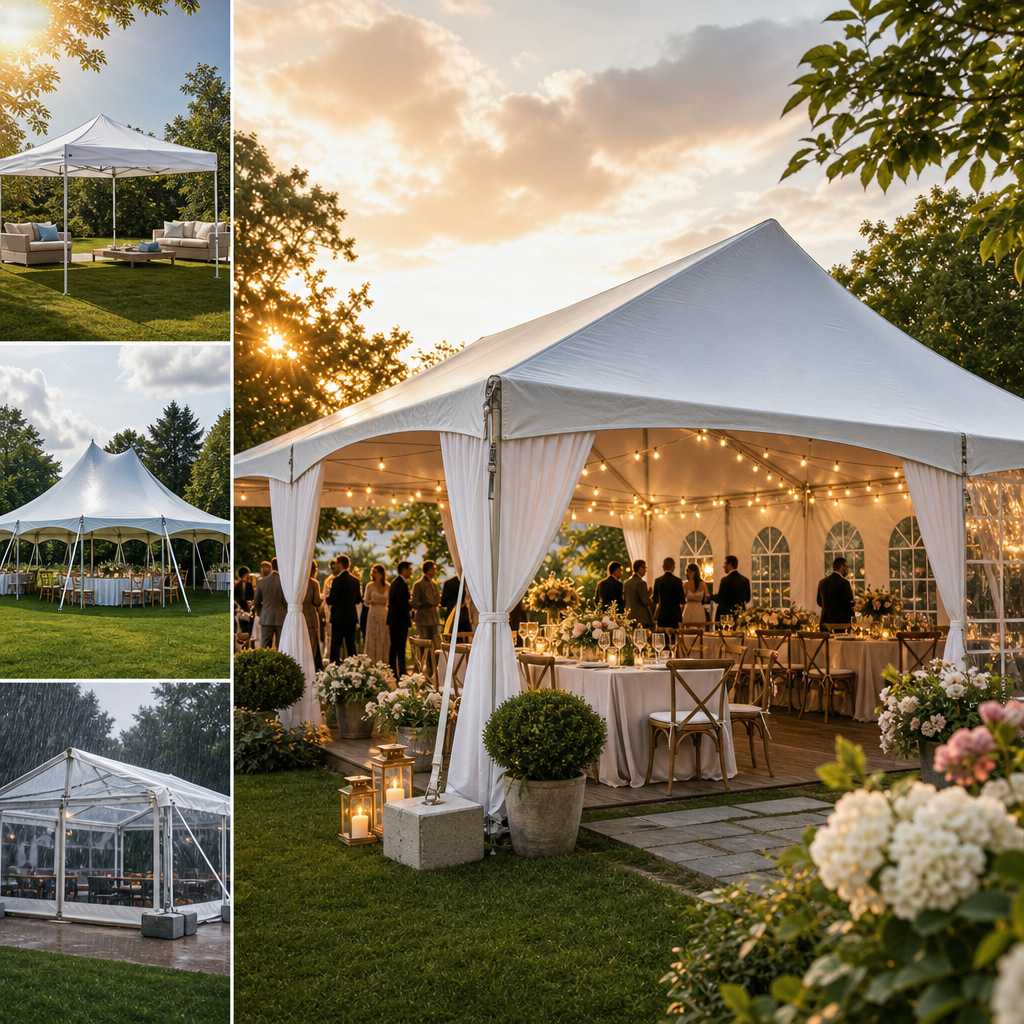
Party Tent: The Complete Guide to Choosing, Setting Up, and Using One for Any Event
A party tent can transform an ordinary gathering into a polished, comfortable, and memorable event. Whether you are hosting a backyard birthday, a graduation celebration, a wedding reception, a corporate function, or a seasonal community event, the right tent creates a protected space that feels intentional and inviting.
Beyond simple shelter, a party tent helps define the atmosphere of your event. It offers shade, rain protection, privacy, and a flexible layout that can accommodate seating, food stations, décor, entertainment, and more. If you are planning an outdoor event, understanding how party tents work—and how to choose the right one—can save time, reduce stress, and improve the guest experience.
This guide covers everything you need to know about party tents, including types, sizes, materials, setup tips, decoration ideas, and practical planning advice.
What Is a Party Tent?
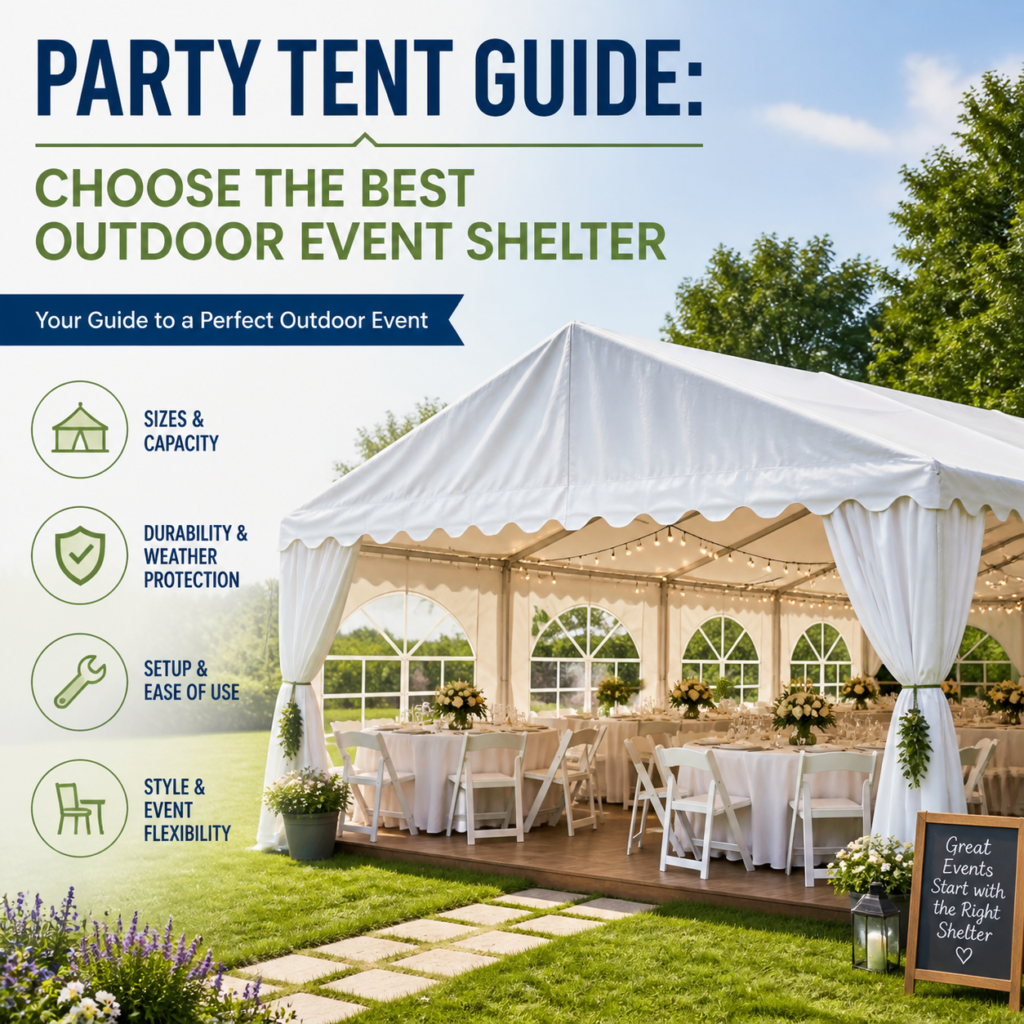
A party tent is a temporary outdoor structure used to provide cover and create a designated event space. Unlike a permanent building, a party tent is portable and can be installed in a variety of locations, such as:
- Backyards
- Patios
- Lawns
- Parking lots
- Open fields
- Event venues
Party tents are used for both casual and formal occasions. Some are simple pop-up canopies for small gatherings, while others are large frame or pole tents designed for weddings or large events.
The main purpose of a party tent is to protect guests and event elements from weather conditions. However, it also plays a major role in layout, style, and functionality.
Why Use a Party Tent?
There are several practical and aesthetic reasons to use a party tent for an event.
Weather Protection
Outdoor events are vulnerable to changing weather. A party tent provides shelter from:
- Sun
- Light rain
- Wind
- Cooler evening temperatures
This protection helps you avoid last-minute cancellations or uncomfortable conditions.
Defined Event Space
A tent creates a clear boundary for your gathering. Instead of having guests spread randomly across a yard or open area, the tent gives structure to the event and makes it easier to organize seating, food, and entertainment.
Better Guest Comfort
Guests are more likely to enjoy themselves when they have shade, dry seating, and a comfortable environment. Tents help make outdoor events more welcoming, especially during warmer months.
Styling and Decoration Flexibility
A tent gives you a blank canvas. You can dress it up or keep it simple depending on the occasion. Draping, lighting, florals, and table settings can dramatically change the mood.
Multi-Purpose Use
Party tents are not only for celebrations. They can also be used for:
- Vendor booths
- School functions
- Community events
- Family reunions
- Outdoor sales or promotional events
Types of Party Tents
Choosing the right tent starts with understanding the main types available. Each style has strengths depending on the event size, location, and setup requirements.
Pop-Up Tents
Pop-up tents are lightweight, portable, and easy to assemble. They are ideal for smaller gatherings like:
- Backyard barbecues
- Children’s birthday parties
- Tailgates
- Small vendor setups
These tents are often made with a collapsible frame and a fabric top. They are convenient, but they usually offer less stability than larger tent types.
Best for:
- Small guest counts
- Short events
- Quick setup and takedown
Frame Tents
Frame tents use a metal frame to support the canopy, rather than center poles. This allows for an open interior with no obstructions, making them popular for formal events and larger guest counts.
Advantages:
- Flexible layout
- No center poles
- Good for flooring, dance floors, and furniture placement
Best for:
- Weddings
- Corporate events
- Large parties
- Events with customized layouts
Pole Tents
Pole tents use center poles and tensioned side poles to create a peaked canopy shape. These tents are often elegant and visually striking, making them a popular choice for weddings and upscale events.
Advantages:
- Attractive peaked design
- Cost-effective for large areas
- Classic event appearance
Considerations:
- Center poles may affect layout
- Requires staking into the ground
Best for:
- Wedding receptions
- Formal celebrations
- Outdoor events with ample open space
Clear-Top Tents
Clear-top tents feature transparent roof panels that let in natural light and create a dramatic appearance, especially for evening events.
Advantages:
- Elegant, modern look
- Great for stargazing or scenic backdrops
- Beautiful lighting effects at night
Considerations:
- Can heat up quickly in direct sunlight
- May require climate control
Best for:
- Luxury events
- Evening receptions
- Scenic locations
High-Peak Tents
High-peak tents are designed with elevated center points, giving them a stylish and spacious appearance. They are often used for weddings, festivals, and upscale outdoor events.
Advantages:
- Visually appealing
- More headroom
- Often modular for larger layouts
Best for:
- Large gatherings
- Formal events
- Events needing a polished look
How to Choose the Right Party Tent
Selecting the best party tent depends on several factors. A thoughtful choice will help you avoid overcrowding, weather issues, and layout problems.
Consider Your Guest Count
The number of guests is one of the biggest factors in tent selection. A tent that is too small will feel cramped, while one that is too large may seem empty and disconnected.
As a general rule, consider how the tent will be used:
- Standing cocktail-style event: more compact
- Seated dinner: more space needed
- Dance floor or stage: additional room required
- Buffet and bar areas: separate zones may increase the size needed
Think About the Event Style
The tent should match the mood of your event.
- Casual party: pop-up or simple frame tent
- Formal wedding: frame, pole, or clear-top tent
- Corporate event: frame tent with branded décor
- Festival or fair: large modular tent or multiple connected tents
Evaluate the Location
The installation site affects what kind of tent you can use. Consider:
- Ground type
- Available space
- Access for equipment
- Nearby trees or structures
- Wind exposure
- Slope or uneven surfaces
Some tents require staking into grass or soil, while others can be anchored with weights on pavement or concrete.
Check Weather Conditions
If your event is in a hot area, ventilation and shade matter. If rain is likely, make sure the tent has waterproof materials and sidewalls. In windy areas, stability is critical.
Plan for Extras
A tent is only one part of the event setup. You may also need:
- Tables and chairs
- Lighting
- Flooring
- Fans or heaters
- Sidewalls
- Trash bins
- Power access
Always think beyond the canopy itself.
Party Tent Sizes: How Much Space Do You Need?
Tent size is one of the most important planning decisions. A tent that fits your guest list but leaves no room for movement can create a crowded and uncomfortable experience.
Small Tents
Small tents are suitable for intimate events or limited spaces. They typically work well for:
- 10 to 25 guests
- Food service areas
- Small backyard gatherings
Medium Tents
Medium-sized tents are ideal for birthday parties, reunions, and moderate guest lists.
They can usually accommodate:
- 25 to 75 guests
- Several tables
- A serving area
- Some open space for mingling
Large Tents
Large tents are necessary for weddings, corporate functions, and community events.
They can support:
- 75+ guests
- Multiple seating zones
- Dance floors
- Stages or presentation areas
- Buffet lines and beverage stations
Space Planning Tips
When estimating tent size, don’t just count people. Think about:
- Tables and chair spacing
- Walkways
- Food service
- Entertainment areas
- Storage or prep areas
A tent that seems large on paper may feel smaller once tables, décor, and guests are inside.
Materials and Features to Look For
Not all party tents are made the same. Material quality and design features can greatly affect safety, appearance, and usability.
Tent Fabric
Most party tents are made from:
- Polyester
- Vinyl
- Polyethylene
Vinyl is often more durable and weather-resistant, while polyester may be lighter and more affordable. For events exposed to rain or frequent use, heavier-duty materials are usually better.
Frame Material
Tent frames are typically made from:
- Steel
- Aluminum
Steel is strong and durable but heavier. Aluminum is lighter and easier to transport, though not always as strong for very large installations.
Sidewalls
Sidewalls can be added for extra protection and privacy. They are useful if you want to block wind, rain, or direct sunlight.
Common sidewall options include:
- Solid panels
- Clear panels
- Windowed sidewalls
- Roll-up side sections
Ventilation
Good airflow helps keep guests comfortable, especially in warmer weather. Look for tents that allow air circulation or can be paired with fans.
Fire Safety
For formal events, especially those involving catering or electricity, check whether the tent material meets local fire safety requirements.
Setting Up a Party Tent
Tent setup can range from simple to highly technical, depending on the size and style. Planning ahead makes the process much easier.
Choose the Right Spot
Before installation, inspect the area carefully. The location should be:
- Level or reasonably flat
- Free of hazards
- Large enough for the tent and surrounding space
- Accessible for setup equipment
Avoid areas with low branches, underground utility lines, or poor drainage.
Measure Carefully
Measure the available space and compare it to the tent dimensions. Leave room for:
- Entry and exit points
- Catering service
- Emergency access
- Decoration and lighting equipment
Secure the Tent Properly
Anchoring is essential. Depending on the surface and tent type, this may involve:
- Stakes
- Weights
- Guy lines
- Water barrels
Never assume a tent is stable without proper anchoring, especially in windy conditions.
Add Flooring if Needed
Flooring can improve comfort, appearance, and safety. It helps with:
- Mud control
- Uneven terrain
- Dance floors
- Formal seating areas
Options include temporary flooring, subflooring, carpet, or portable panels.
Install Lighting and Power
If your event extends into the evening, lighting is essential. Options include:
- String lights
- Chandeliers
- Uplighting
- Lanterns
- LED fixtures
You may also need power for:
- Music systems
- Food warmers
- Fans
- Heaters
- Presentation equipment
Decorating a Party Tent
One of the biggest advantages of a party tent is the ability to customize its look.
Use Lighting to Set the Mood
Lighting can make a tent feel romantic, festive, or sophisticated. For example:
- Warm string lights create a cozy atmosphere
- Chandeliers add elegance
- Colored uplights create a modern event feel
Add Draping
Fabric draping softens the structure of the tent and makes it feel more refined. White draping is especially popular for weddings and formal events.
Choose a Cohesive Color Scheme
Coordinate table linens, chair covers, floral arrangements, and accents with your overall theme. A consistent palette makes the tent feel intentional and professionally styled.
Incorporate Centerpieces and Table Décor
Even simple tables can look polished with thoughtful details:
- Candles
- Floral centerpieces
- Place cards
- Themed runners
- Small decorative accents
Use Functional Décor
Try to make décor serve a purpose. For example:
- Decorative signage for directing guests
- Stylish bins for waste and recycling
- Elegant partitions for food or bar areas
Common Party Tent Uses
Party tents are useful for a wide range of events. Here are some of the most common applications.
Weddings
Wedding tents are often designed for elegance and comfort. They may include flooring, chandeliers, draping, and dedicated areas for dining, dancing, and ceremonies.
Birthday Parties
From children’s parties to milestone celebrations, tents create a fun and flexible space. They provide shade for daytime events and can be decorated to match a theme.
Graduation Celebrations
Graduation events often bring together large groups of family and friends. A tent gives everyone a place to gather, eat, and socialize.
Corporate Functions
Businesses use party tents for product launches, employee appreciation events, outdoor meetings, and brand activations. Tent branding, lighting, and modular layouts are especially important in these settings.
Community and School Events
Fairs, fundraisers, fund-raising dinners, school carnivals, and local festivals often rely on tents to create vendor booths, information stations, and gathering areas.
Renting vs. Buying a Party Tent
If you only need a tent occasionally, renting may be the better choice. If you host frequent events, buying could be more practical.
Renting
Pros:
- Lower upfront cost
- Professional installation available
- Access to larger or more specialized tents
Cons:
- Limited customization
- Must follow rental timelines
- Repeated rental fees can add up
Buying
Pros:
- Long-term value
- Immediate availability
- More control over usage and setup
Cons:
- Storage required
- Maintenance responsibility
- Higher initial cost
For most homeowners planning a one-time or occasional event, renting is usually the easiest option. For event businesses or frequent hosts, owning may make sense.
Safety Tips for Using a Party Tent
Safety should always be part of the planning process.
Check the Weather Forecast
Monitor conditions before and during the event. Have a backup plan if severe weather is expected.
Secure All Anchors
A tent that is not properly anchored can shift or collapse in wind. Follow manufacturer or rental provider instructions carefully.
Keep Fire Sources Controlled
If using candles, heaters, grills, or food warmers, keep them away from flammable materials. Follow all fire safety rules.
Avoid Overcrowding
Do not exceed the recommended guest capacity. Overcrowding can create discomfort and safety risks.
Maintain Clear Walkways
Guests should be able to move safely through the tent. Keep aisles open and avoid blocking exits.
Party Tent Planning Checklist
Before your event, use a simple checklist to stay organized:
- Confirm guest count
- Choose the tent type
- Measure the setup location
- Decide on seating layout
- Plan lighting and power needs
- Arrange tables, chairs, and flooring
- Add sidewalls if necessary
- Check weather conditions
- Secure permits if required
- Confirm delivery, setup, and teardown times
A checklist helps prevent costly oversights and keeps the event running smoothly.
How a Party Tent Improves the Guest Experience
A well-planned tent does more than protect guests from the weather. It improves how the event feels from the moment people arrive.
Guests appreciate:
- Comfortable shade or shelter
- A clean, organized environment
- Easy access to seating and food
- Attractive décor and lighting
- A space that feels intentional and well-managed
In many cases, the tent itself becomes part of the event memory. People remember the atmosphere, the layout, and the sense of occasion.
Conclusion
A party tent is one of the most valuable tools for outdoor event planning. It offers protection, flexibility, and style while helping you create a comfortable and memorable setting for guests. Whether you are organizing a small family gathering or a large formal celebration, the right tent can completely change the experience.
By considering your guest count, location, weather, and event style, you can choose a tent that fits both your practical needs and your vision. With thoughtful planning, careful setup, and simple décor, a party tent can turn any outdoor space into a welcoming event venue.






Add comment