
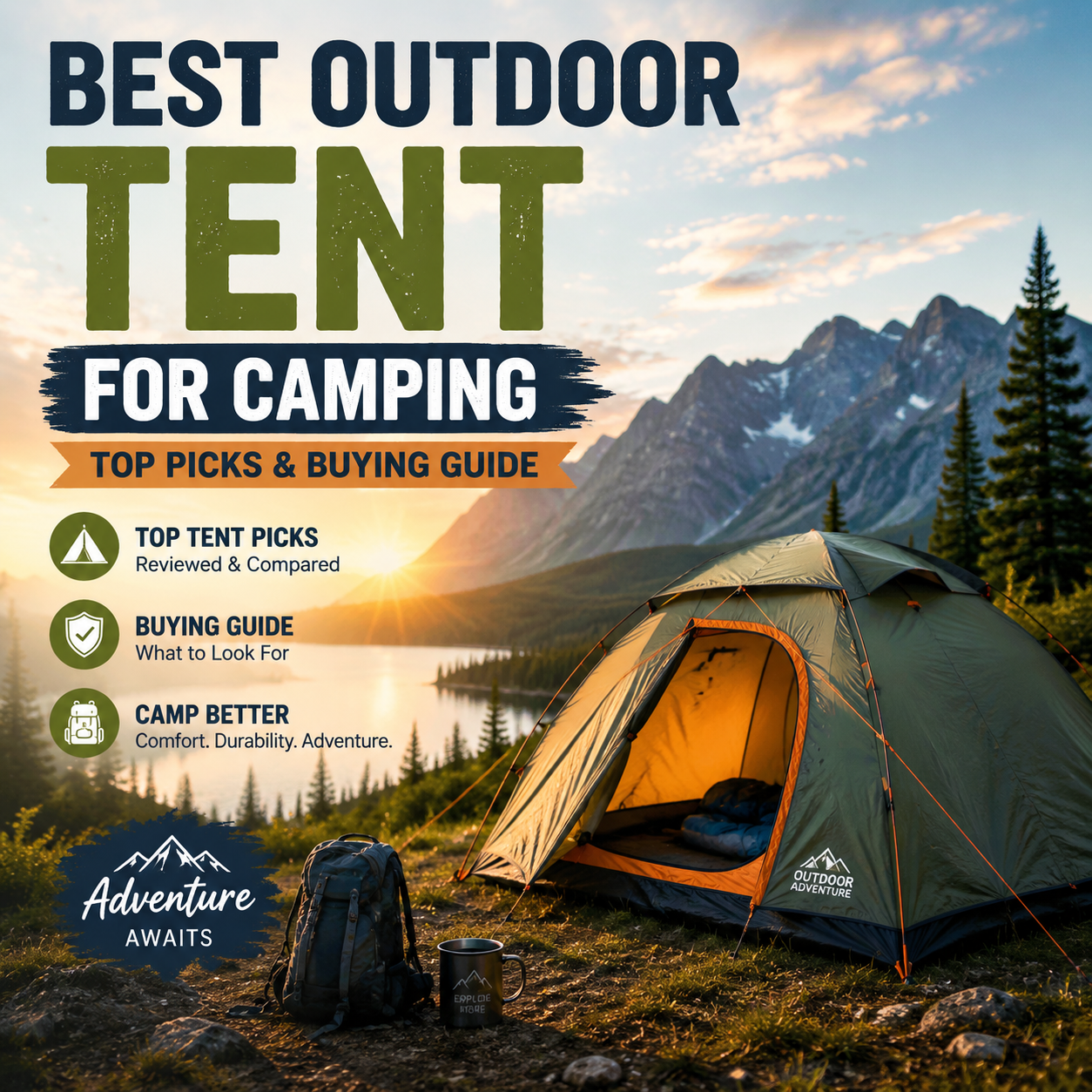
Outdoor Tent: A Complete Guide to Choosing, Using, and Caring for Your Shelter
An outdoor tent is more than just a piece of camping gear. It is your temporary home in the wild, your protection from wind and rain, and your comfort zone after a long day on the trail, at a festival, or on a family camping trip. Whether you are planning a weekend in the mountains or a backyard sleepover with kids, choosing the right outdoor tent can make the difference between a memorable adventure and a frustrating experience.
This guide covers everything you need to know about outdoor tents, from types and materials to setup, maintenance, and buying tips. If you are shopping for your first tent or upgrading to a better one, understanding the basics will help you make a smarter choice.
What Is an Outdoor Tent?
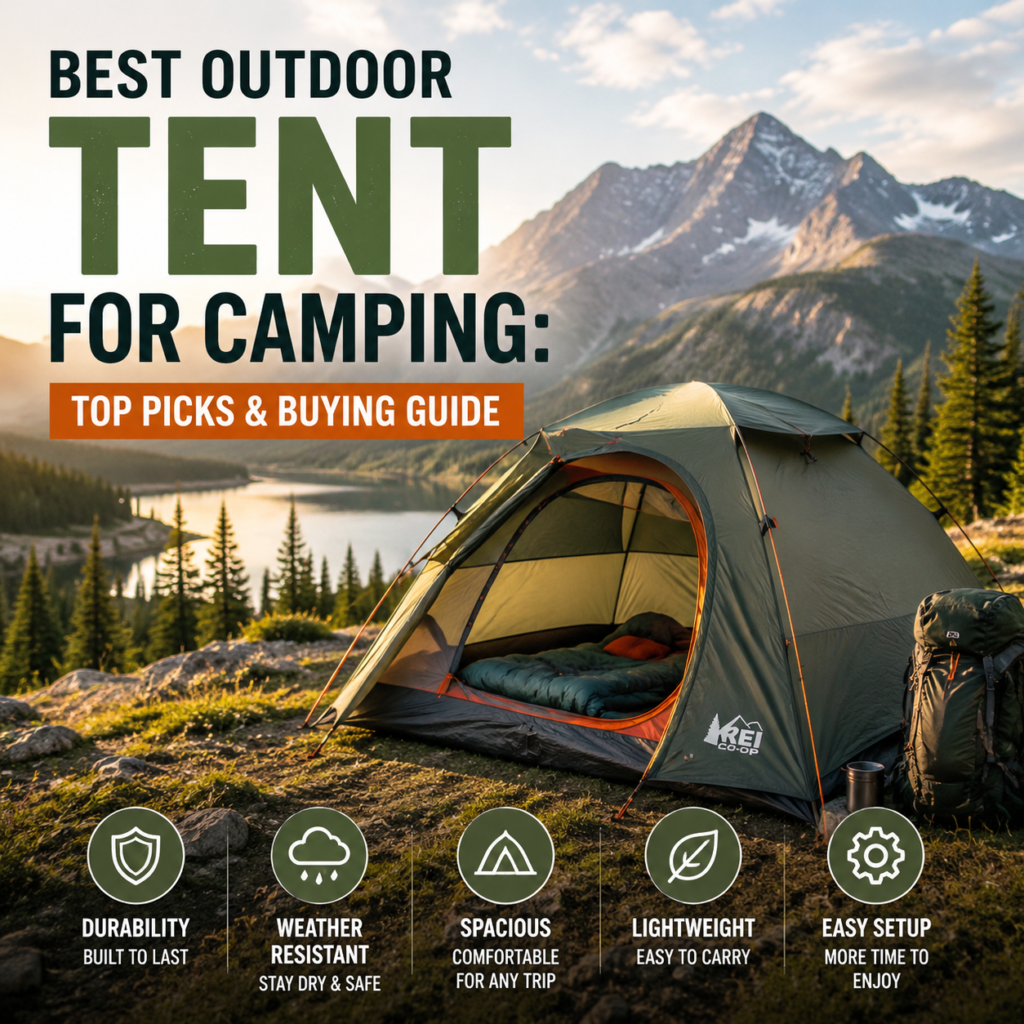
An outdoor tent is a portable shelter made from fabric stretched over poles, designed to provide coverage from weather and insects while you are away from permanent structures. Tents come in many shapes, sizes, and designs, and each one serves a different purpose.
Some tents are built for backpacking and light weight. Others are designed for family camping with more space and comfort. There are also tents made for extreme weather, festivals, car camping, beach outings, and even rooftop use.
At its core, a tent should offer:
- Protection from rain, wind, sun, and insects
- Enough space for the people and gear inside
- Good ventilation
- Easy setup and takedown
- Durability for repeated use
Why the Right Outdoor Tent Matters
Choosing the right tent is about more than just sleeping outside. The wrong tent can lead to:
- Poor sleep due to cramped space
- Leaks during rain
- Overheating from poor ventilation
- Difficulty carrying it on the trail
- Frustration during setup
- Premature wear and tear
The right tent, on the other hand, improves comfort, safety, and convenience. A quality outdoor tent can help you enjoy camping more often and with less hassle.
Types of Outdoor Tents
Different outdoor activities call for different tent styles. Here are the most common types and what they are best for.
Dome Tents
Dome tents are among the most popular designs. They use flexible poles that cross over each other, creating a rounded shape.
Best for:
- General camping
- Backpacking
- Moderate weather conditions
Advantages:
- Lightweight
- Easy to pitch
- Stable in wind
- Widely available in many sizes
Limitations:
- Less headroom in some models
- Not always the most spacious option
Cabin Tents
Cabin tents have nearly vertical walls, creating more usable interior space and standing room.
Best for:
- Family camping
- Car camping
- Extended stays
Advantages:
- Roomy interior
- Better for organizing gear
- Comfortable for groups
Limitations:
- Heavier and bulkier
- Less wind-resistant than low-profile designs
Tunnel Tents
Tunnel tents use curved poles to create a long tunnel-like shape.
Best for:
- Family camping
- Base camps
- Campers needing extra interior space
Advantages:
- Good space-to-weight ratio
- Often includes separate sleeping and living areas
- Efficient use of materials
Limitations:
- May need proper staking for stability
- Can be less freestanding
Backpacking Tents
Backpacking tents are designed to be lightweight and compact, making them easy to carry on long hikes.
Best for:
- Backpacking
- Trekking
- Solo or duo trips
Advantages:
- Light and packable
- Easy to carry
- Efficient design
Limitations:
- Limited interior space
- Less comfort for long car-camping stays
Pop-Up Tents
Pop-up tents are made for quick setup. They often spring into shape almost instantly when removed from their bag.
Best for:
- Festivals
- Casual weekend camping
- Short trips
Advantages:
- Very fast setup
- Convenient for beginners
- Easy to use
Limitations:
- Harder to pack away
- Not always durable in harsh weather
Four-Season Tents
Four-season tents are built for winter and harsh weather conditions, including snow and strong winds.
Best for:
- Mountaineering
- Winter camping
- Extreme conditions
Advantages:
- Strong construction
- Better weather resistance
- Designed for snow load and wind
Limitations:
- Heavier
- Less ventilation in warm weather
- Usually more expensive
Key Features to Look for in an Outdoor Tent
When comparing tents, several features determine how well the tent will perform in the real world.
Tent Capacity
Tent capacity is usually listed as 1-person, 2-person, 4-person, and so on. However, these ratings often assume minimal space and no extra gear inside.
For example, a 2-person tent may fit two sleeping pads snugly, but it may not leave much room for backpacks. If comfort matters, consider choosing a tent rated for one person more than the actual number of users.
General rule:
- Solo camper: 2-person tent for extra comfort
- Two campers: 3-person tent for better space
- Family camping: size up if possible
Weight and Packability
If you plan to hike with your tent, weight matters a lot. Backpacking tents are designed to be lightweight, often under 5 pounds total, while car-camping tents may be much heavier.
Ask yourself:
- Will I carry this tent long distances?
- Will it stay in the trunk or car most of the time?
- How much gear do I need to fit in the bag?
A lighter tent is easier to transport, but it may trade off durability or interior space.
Weather Resistance
An outdoor tent should protect you from the elements. Important weather-related features include:
- Rainfly: A waterproof cover that shields the tent from rain
- Waterproof floor: Helps prevent moisture from soaking in from the ground
- Sealed seams: Reduces leaks at stitched areas
- Wind stability: Strong pole structure and good staking options
- UV resistance: Helpful for long exposure to sunlight
For wet climates, look for a tent with a full-coverage rainfly and a strong waterproof rating.
Ventilation
Good airflow helps reduce condensation inside the tent. Without proper ventilation, moisture from breathing and body heat can collect on the walls and drip down.
Look for:
- Mesh panels
- Adjustable vents
- Dual doors
- Large windows in cabin-style tents
Ventilation becomes especially important in warm or humid environments.
Setup Ease
Some tents can be pitched in minutes, while others require more time and effort. If you camp often or arrive at your site late in the day, simple setup is a major advantage.
Consider:
- Color-coded poles and clips
- Freestanding design
- Number of stakes required
- Whether one person can set it up alone
Durability
Durability depends on materials, construction quality, and how often you use the tent. Reinforced corners, strong zippers, quality poles, and ripstop fabrics all improve longevity.
A tent may look good on paper but still fail if the stitching, zippers, or pole joints are weak. Reading reviews and checking material specs can help you avoid that problem.
Tent Materials and What They Mean
The materials used in an outdoor tent affect its weight, strength, and weather resistance.
Tent Fabric
Common fabrics include:
- Polyester: Durable, affordable, and resistant to UV damage
- Nylon: Lightweight and strong, often used in backpacking tents
- Canvas: Heavy but breathable and durable, often used in glamping or long-term use
Polyester and nylon are the most common for modern camping tents. Polyester is less likely to absorb water, while nylon may be lighter but can stretch when wet.
Tent Poles
Tent poles are usually made from:
- Fiberglass: Affordable and common in budget tents
- Aluminum: Stronger, lighter, and more durable
- Carbon fiber: Very lightweight but expensive, often found in premium tents
For frequent use, aluminum poles are often worth the extra cost.
Tent Floor
The tent floor should be tough and waterproof. Look for materials like thick polyester or nylon with a waterproof coating. A bathtub-style floor, which curves up the sides, helps keep water out better than flat flooring.
Choosing the Best Outdoor Tent for Your Needs
The best tent depends on how, where, and with whom you camp.
For Solo Campers
A solo camper often wants a tent that is:
- Lightweight
- Compact
- Easy to pitch
- Just large enough for sleeping and storing gear
A backpacking tent or compact dome tent is usually a good fit.
For Couples
Couples often benefit from a tent with a little extra room. A 3-person tent may be more comfortable than a 2-person model, especially if you bring backpacks, shoes, and clothing inside.
For Families
Families should prioritize:
- Spacious interior
- Multiple doors
- Dividers or separate rooms
- Good headroom
- Easy setup
Cabin tents and large tunnel tents are often best for family use.
For Backpackers
Backpackers need a tent that balances:
- Low weight
- Small packed size
- Reliable weather protection
- Fast setup
A freestanding, lightweight tent with aluminum poles and a full rainfly is a common choice.
For Festivals and Short Events
For festivals, comfort and convenience matter more than ultra-light weight. Pop-up tents or simple dome tents are often ideal.
Look for:
- Quick setup
- Good airflow
- Enough room for bags
- Easy packing after use
For Harsh Weather
If you expect strong wind, cold temperatures, or snow, choose a four-season tent or a high-quality all-weather tent. Stability, low profile, and strong poles matter more than extra space.
How to Set Up an Outdoor Tent Properly
Even a great tent can perform poorly if it is set up the wrong way. Following a few basic steps helps improve comfort and weather protection.
Step 1: Choose the Right Site
Pick a level area with:
- No sharp rocks or branches
- Good drainage
- Protection from strong wind if possible
- Enough space for the tent and guy lines
Avoid setting up in low spots where water may collect during rain.
Step 2: Clear the Ground
Remove sticks, stones, and debris before pitching the tent. A ground tarp or footprint can help protect the floor from abrasion and moisture.
Step 3: Assemble the Poles
Lay out the tent body and connect the poles according to the instructions. Most tents are easier to set up when the parts are organized before you begin.
Step 4: Stake the Tent
Secure the corners first, then attach the poles and raise the structure. Use stakes to anchor the tent firmly, especially if the weather is windy.
Step 5: Attach the Rainfly
The rainfly should cover the tent well and be tightly secured. Make sure vents are aligned to allow airflow.
Step 6: Check Tension and Stability
Adjust guy lines and stakes so the tent is taut but not overstretched. A well-tensioned tent sheds water better and resists wind more effectively.
Outdoor Tent Accessories That Improve Comfort
A tent alone is only part of the camping setup. The right accessories can make a big difference.
Groundsheet or Footprint
A footprint protects the tent floor from wear and moisture. It also makes cleanup easier.
Sleeping Pad
A sleeping pad adds insulation and cushioning, helping you sleep more comfortably on uneven ground.
Camp Pillow and Sleeping Bag
A proper sleeping bag matched to the temperature range keeps you warm. A small camp pillow improves rest.
Tent Lights
Battery-powered or rechargeable tent lights make it easier to move around after dark.
Gear Loft and Organizers
These help keep essentials off the floor and make the tent feel less cluttered.
Extra Stakes and Guy Lines
Useful as backups, especially if you camp in variable weather.
Common Mistakes to Avoid
Many tent problems come from avoidable mistakes rather than the tent itself.
Buying Too Small
One of the most common errors is choosing a tent that is too cramped. Always consider gear storage and comfort, not just sleeping capacity.
Ignoring Weather Conditions
A fair-weather tent may not survive heavy rain or high wind. Match the tent to the expected conditions.
Skipping a Footprint
A footprint can extend the life of your tent floor. It is a simple addition that often pays off.
Poor Ventilation
Leaving all openings closed can create condensation. Use the vents, even in cooler weather, unless conditions make it unsafe to do so.
Not Practicing Setup at Home
A tent is much easier to figure out before you are tired, cold, or in the dark. Practice setup in your yard or living room before your trip.
How to Maintain an Outdoor Tent
Proper care helps a tent last for years instead of just one season.
Clean It After Use
Shake out dirt, leaves, and debris. If needed, wipe the tent with a damp cloth and mild soap. Avoid harsh cleaners that can damage coatings.
Dry It Completely
Never store a tent while wet. Moisture can lead to mold, mildew, and unpleasant odors. Hang it to dry before packing it away.
Store It Loosely
If possible, avoid long-term compressed storage. Keep the tent in a cool, dry place, loosely folded or stored in a large breathable bag.
Inspect Before Trips
Check:
- Zippers
- Seams
- Poles
- Guy lines
- Stakes
- Rainfly coating
Fix small issues early so they do not turn into bigger problems later.
Reapply Waterproofing if Needed
Over time, waterproof coatings can wear down. You may need to reapply seam sealer or a water-repellent treatment to maintain performance.
How Long Should an Outdoor Tent Last?
The lifespan of an outdoor tent depends on:
- How often it is used
- Weather exposure
- Quality of materials
- How well it is cleaned and stored
A budget tent used occasionally may last a few seasons. A well-made tent that is carefully maintained can last much longer. Premium models often offer better materials and repair options, which can significantly extend useful life.
Budget vs Premium Outdoor Tents
When shopping, you will notice a wide range of prices. Understanding the difference between budget and premium tents can help you spend wisely.
Budget Tents
Budget tents are often good for:
- Occasional camping
- Beginners
- Backyard use
- Festivals
They may have:
- Fiberglass poles
- Lower-grade fabric
- Less weather resistance
- Simpler features
Premium Tents
Premium tents often include:
- Lightweight aluminum poles
- Stronger fabrics
- Better ventilation
- More durable zippers and seams
- Superior weather protection
These tents usually cost more, but they can be worth it if you camp regularly or need reliable performance in tough conditions.
Final Tips for Buying an Outdoor Tent
Before buying, ask yourself these questions:
- How many people will use it?
- Will I carry it or drive to the campsite?
- What weather conditions do I expect?
- How important is setup speed?
- Do I need extra space for gear?
- How often will I use it?
Reading product details carefully and comparing features side by side can help you avoid disappointment. A tent that looks great in photos may not be the right fit for your actual camping style.
Conclusion
An outdoor tent is one of the most important pieces of camping gear you can own. The right tent offers shelter, comfort, and peace of mind wherever your adventures take you. By understanding the different tent types, materials, features, and care practices, you can choose a model that suits your needs and lasts for years.
Whether you are a solo backpacker, a weekend camper, or a family planning summer trips, investing time in the right outdoor tent will pay off every time you unzip the door and settle in for the night.

Add comment