
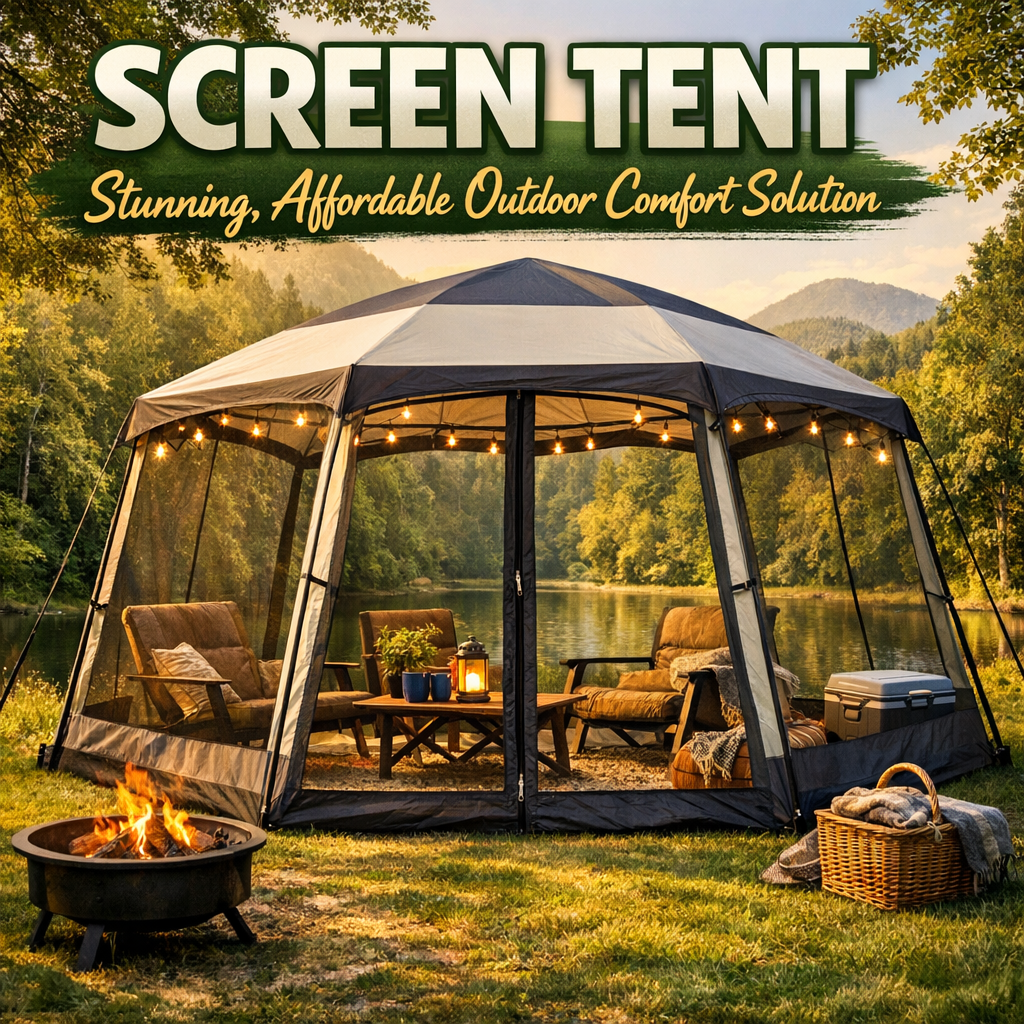
A screen tent is one of the simplest ways to make outdoor time more comfortable. It gives you a protected space for relaxing, dining, or camping while still keeping the open-air feel people enjoy. At the same time, it helps block insects, soften direct sun, and create a more defined space for everyday outdoor living.
Table of Contents
What Makes a Screen Tent So Useful?
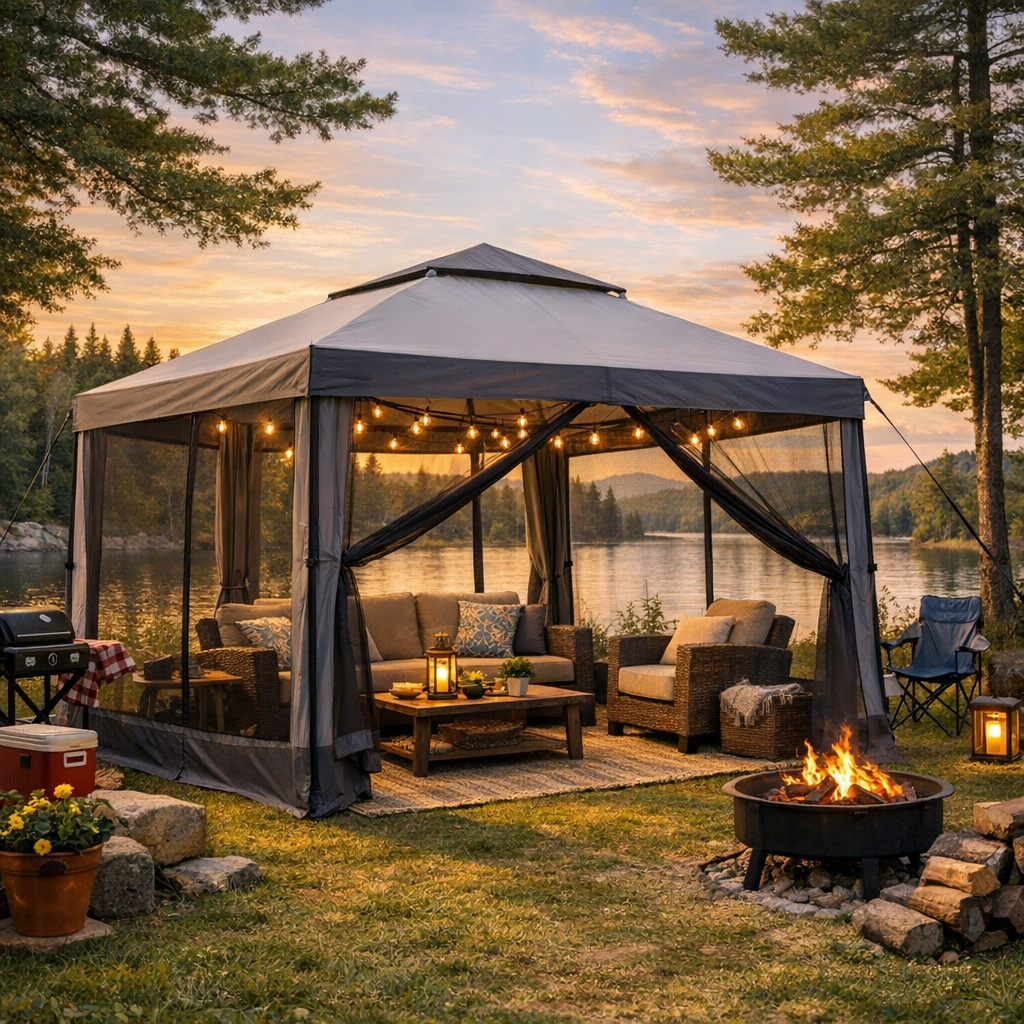
A screen tent is designed to create a comfortable outdoor enclosure that keeps out bugs, reduces exposure to harsh sun, and adds a defined living space outside the home or campsite. Unlike a fully enclosed structure, it still allows fresh air and natural light to flow through, which makes the experience feel open and refreshing.
One of the biggest advantages of a screen tent is versatility. It can serve many purposes, from a dining area and lounging spot to a temporary shelter for picnics, parties, or weekend getaways. Homeowners often use them to extend the use of patios, decks, and backyards, while campers appreciate the extra layer of comfort and protection. For a related outdoor structure, see stylish outdoor gazebo ideas.
That flexibility is a major reason these shelters remain popular. A single setup can support family meals one day and a quiet reading space the next. Because the walls are screened instead of solid, the area still feels connected to nature. You can hear birds, feel a light breeze, and enjoy the view without dealing with the same level of outdoor irritation.
Many people also appreciate how quickly a screened setup changes the mood of a space. A bare patio can feel exposed, but a covered enclosure feels more intentional. It signals that the area is meant for gathering, relaxing, and staying a while.
The Appeal of Affordable Outdoor Comfort
People often look for outdoor upgrades that improve quality of life without requiring a major investment. That is where the screen tent stands out. It delivers a noticeable boost in comfort and usability at a reasonable price point, especially compared with permanent outdoor structures.
For families, this means creating a bug-free place for meals and conversations without building a porch or sunroom. For renters or travelers, it means having a portable shelter that can be set up when needed and stored away later. This affordability makes it an attractive option for anyone who wants a better outdoor experience without overspending.
Just as importantly, a screen tent can help you use outdoor space more often through spring, summer, and early fall. When the weather is pleasant but insects are active, having a screened area can make the difference between staying inside and enjoying the evening outside. That added usability is one reason these shelters keep their value over time.
There is also a practical cost-saving angle. Instead of adding permanent construction or buying multiple pieces of outdoor furniture that only work in one season, you get a flexible solution that supports several uses. In many homes, that kind of adaptability matters as much as style.
For anyone trying to balance budget and comfort, this type of shelter often feels like a smart middle ground. It is more protective than open seating, but it is far less demanding than a full room addition. As a result, it offers a strong return in everyday convenience.
Key Benefits of Using a Screen Tent
A screen tent offers several practical benefits that go beyond simple shade.
Bug Protection
Mosquitoes, flies, and other insects can quickly ruin an otherwise pleasant outdoor gathering. A screen tent provides a barrier that allows people to enjoy the outdoors without constant swatting or the need for heavy insect repellent.
Better Shade and Cooling
Although not every screen tent is designed for complete sun blocking, many provide enough coverage to reduce direct exposure and keep the space cooler. This can make outdoor dining or relaxing much more comfortable on warm days.
Flexible Outdoor Living Space
A screen tent creates a separate area that can be customized for different needs. You can use it for seating, dining, storage, or even as a play area for children. Some people also use it as a temporary workspace or an outdoor reading nook.
Portability and Convenience
Many screen tents are lightweight and easy to transport. This makes them ideal for camping, tailgating, outdoor events, and seasonal use in the backyard. Their convenience is one of the main reasons they remain so popular.
If you are comparing sheltered outdoor setups, the National Park Service camping basics guide is a helpful reference for safe and practical campsite planning.
There are also smaller quality-of-life benefits that matter in everyday use. A screened enclosure can reduce wind exposure, create a calmer dining area, and help keep leaves or light debris away from food and seating. In busy backyards, it can even make a temporary gathering space feel more organized and intentional.
For households that entertain often, the added structure helps guests know where to gather. That means less crowding around doors, grills, or tables. As a result, the outdoor area feels easier to use and more welcoming without major changes to the property.
Another benefit is privacy without isolation. Mesh walls do not block the whole view, but they do create a subtle boundary. That balance is useful when you want a space that feels separate while still staying connected to the yard or campsite.
Choosing the Right Screen Tent
Not all screen tents are the same, so it helps to think about how and where you plan to use yours. The right choice depends on size, durability, setup style, and weather resistance.
Size and Capacity
Consider how many people you want the tent to accommodate. A small screen tent may be perfect for two to four people, while larger models can fit a family dining table or a group of guests. Choosing the correct size helps ensure comfort without wasting space.
Material Quality
Look for strong frame materials and durable mesh panels. A sturdy frame can improve stability, while high-quality screening helps keep insects out and extends the tent’s lifespan. If you plan to use it frequently, investing in better materials can save money over time.
Setup and Storage
Some screen tents are designed for quick pop-up setup, while others require a bit more assembly. If convenience matters most, a simple setup system may be worth prioritizing. Also consider how easily the tent folds down and fits into storage when not in use.
Weather Considerations
While a screen tent offers excellent airflow and protection from insects, it is not always meant for severe weather. Check whether the model includes water-resistant fabric, reinforced seams, or added stability features if you expect occasional wind or light rain. Always follow the manufacturer’s guidance for safe use.
It is also worth checking the frame design before you buy. Rounded corners, reinforced joints, and strong connection points can improve durability during repeated setup and takedown. These details may seem small, but they often affect how well the shelter performs after a full season of use.
If you expect frequent movement or travel, portability matters just as much as strength. A carrying bag, compact folded size, and clear assembly instructions can make the shelter much easier to manage. In practice, the best option is the one that fits both your space and your routine.
Style matters too. Neutral colors blend into most yards, while darker shades can hide dirt better after long use. If your outdoor area already has furniture or décor, a matching tone can help the whole setup feel more cohesive.
Where a Screen Tent Works Best
A screen tent can enhance many different outdoor settings. Its adaptability is part of what makes it such a practical purchase.
Backyard Gatherings
For homeowners, a screen tent can turn a backyard into a more inviting entertainment space. It provides a dedicated area for barbecues, birthday parties, or casual evening hangouts. Guests can stay comfortable while enjoying fresh air and protection from insects.
Camping Trips
Campers often use screen tents as a communal space for meals, games, and relaxing after a long day outdoors. They help create a cleaner, more organized campsite while adding a bit of home-like comfort in nature. For another shelter option, you may also like our outdoor canopy buying guide.
Patios and Decks
A screen tent can be placed over or near patios and decks to create a more usable outdoor zone. This is especially helpful during the warmer months when bugs are more active and shade is appreciated.
Seasonal Outdoor Events
From family reunions to outdoor markets and neighborhood gatherings, a screen tent can provide a simple solution for temporary shelter. It is especially valuable when the event needs a flexible, low-cost setup.
Beyond these common uses, the shelter can also support hobbies and everyday routines. Gardeners may use it as a resting space after yard work. Pet owners may appreciate a more controlled outdoor area for short breaks and supervision. Even a small reading or craft corner can feel more enjoyable when it is protected from insects and direct glare.
It can also be useful for meal prep during outdoor gatherings. Food stays more protected, and guests can move in and out without creating chaos around the table. That makes the whole event feel smoother and less stressful.
In climates with strong sun, the enclosure can extend usable hours outside. Morning coffee, late-afternoon snacks, and early evening conversations all become easier when there is a shaded, bug-resistant spot ready to use.
How to Get the Most Out of Your Screen Tent
To make your screen tent even more effective, think about how you want to use the space inside it. Comfortable seating, weather-resistant cushions, portable lighting, and a small table can make the area feel more welcoming. If you plan to use it often, keeping it clean and dry before storage will help preserve its condition.
It is also smart to secure the tent properly, especially in open or windy areas. Anchors, stakes, or tie-downs can improve safety and stability. Regular inspection of the mesh, zippers, and frame will help catch small issues before they become larger problems.
Another useful habit is to think about layout before setup. Place the entrance where foot traffic will be easiest. Keep food preparation away from high-traffic paths. If you are using lights or fans, position them so they do not crowd the center of the space. Small planning choices like these can make the enclosure feel much more comfortable.
Simple upkeep also goes a long way. Wipe down the frame after dusty trips, brush off pollen or dirt from the mesh, and check for trapped moisture before packing the shelter away. If the tent includes removable panels or zippered sections, inspect those parts regularly so they continue to work smoothly.
Comfort accessories can improve the experience even further. A small rug can make the floor feel cleaner. Folding chairs with good support can make longer gatherings easier. If you are hosting in the evening, battery lighting or lanterns help extend use without complicated installation.
Good organization also helps. Store serving tools, bug spray, paper goods, and extra cords in a small bin so everything is ready when you need it. That way, setting up for a meal or gathering takes less time and feels less like a chore.
Screen tent Buying Checklist
Before you choose a model, it helps to compare the details that matter most. A simple checklist can save time and prevent disappointment later.
- Measure your space: Make sure the tent fits your patio, deck, campsite, or yard.
- Match capacity to use: Choose a size that fits the number of people you expect.
- Check ventilation: Good mesh panels should allow airflow while blocking insects.
- Review weather protection: Look for reinforced seams, sturdy poles, and water-resistant materials if needed.
- Think about setup time: Decide whether you want a quick pop-up model or a more structured design.
- Plan for storage: Choose a tent that folds down easily and stores without hassle.
Extra features can also make a difference. Interior pockets, removable panels, and weighted corners can improve everyday use. In addition, a darker roof fabric may reduce glare, which is useful for dining or reading during bright afternoons.
If you plan to use the shelter for camping, think about ground type and weather conditions. Soft soil may require longer stakes, while paved patios may need weights or anchors. The right support system can improve both safety and comfort.
Cleaning is another part of long-term value. Wipe the frame after use, brush off dirt from the mesh, and let the fabric dry fully before packing it away. These simple habits can help your shelter last longer and look better season after season.
When comparing models, it can help to look beyond the price tag. A slightly higher-cost option may offer stronger stitching, smoother zippers, and better airflow. Over time, those details often matter more than a small upfront savings.
Before buying, think about replacement parts and warranty support too. A brand that offers clear instructions and accessible accessories can make ownership much easier. That kind of support is especially helpful if you plan to use the shelter regularly.
Finally, consider your main purpose. A backyard host may want more room and a polished look. A camper may care more about quick assembly and light weight. When the tent matches the job, it becomes far more valuable in daily use.
Why a Screen Tent Remains a Smart Outdoor Choice
A screen tent continues to be popular because it solves several common outdoor problems at once. It helps reduce insect annoyance, improves comfort, creates usable living space, and does all of this at a price many people can afford. In a world where outdoor living has become increasingly valuable, this simple structure offers a reliable way to enjoy more time outside.
For anyone looking to make a yard, patio, or campsite more inviting, a screen tent delivers a blend of function, comfort, and value that is hard to beat. It is a practical upgrade that can make everyday outdoor moments feel more relaxing, more convenient, and far more enjoyable. With the right size, materials, and setup, it can become one of the most useful additions to your outdoor routine.
In the end, the best choice is the one that fits your space, your budget, and your habits. A well-chosen screen tent can support family meals, weekend trips, and relaxed evenings outdoors with very little effort. That is why it remains such a dependable option for people who want comfort without complexity.
Once you set it up, the benefits are easy to notice. Outdoor conversations last longer, meals feel calmer, and the space becomes more inviting overall. For many households, that makes a screen tent less like a seasonal accessory and more like a regular part of outdoor life.
Over time, that consistency is what gives it lasting value. It is useful in the backyard, practical at a campsite, and convenient for events. Few outdoor additions offer that kind of range with so little hassle.





Add comment