
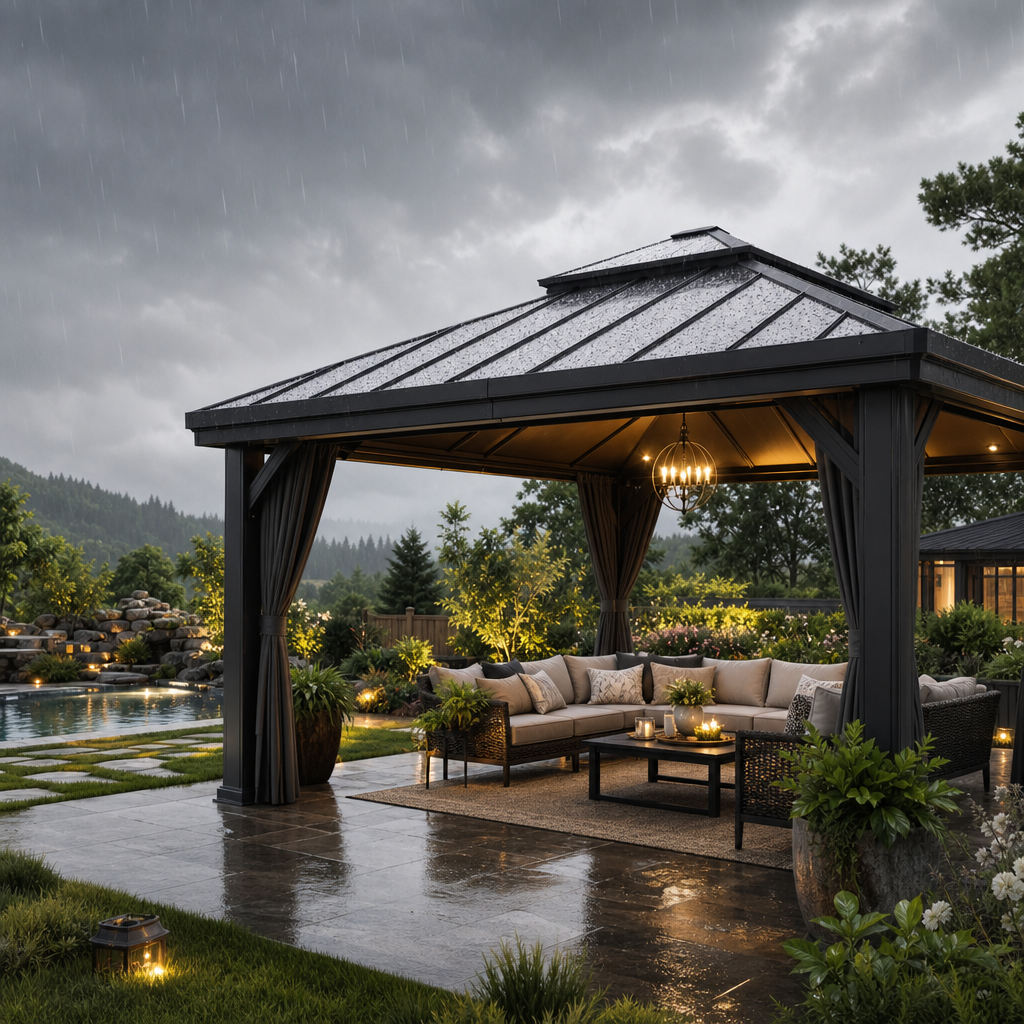
Waterproof Outdoor Gazebo: A Practical Guide to Comfortable, All-Weather Outdoor Living
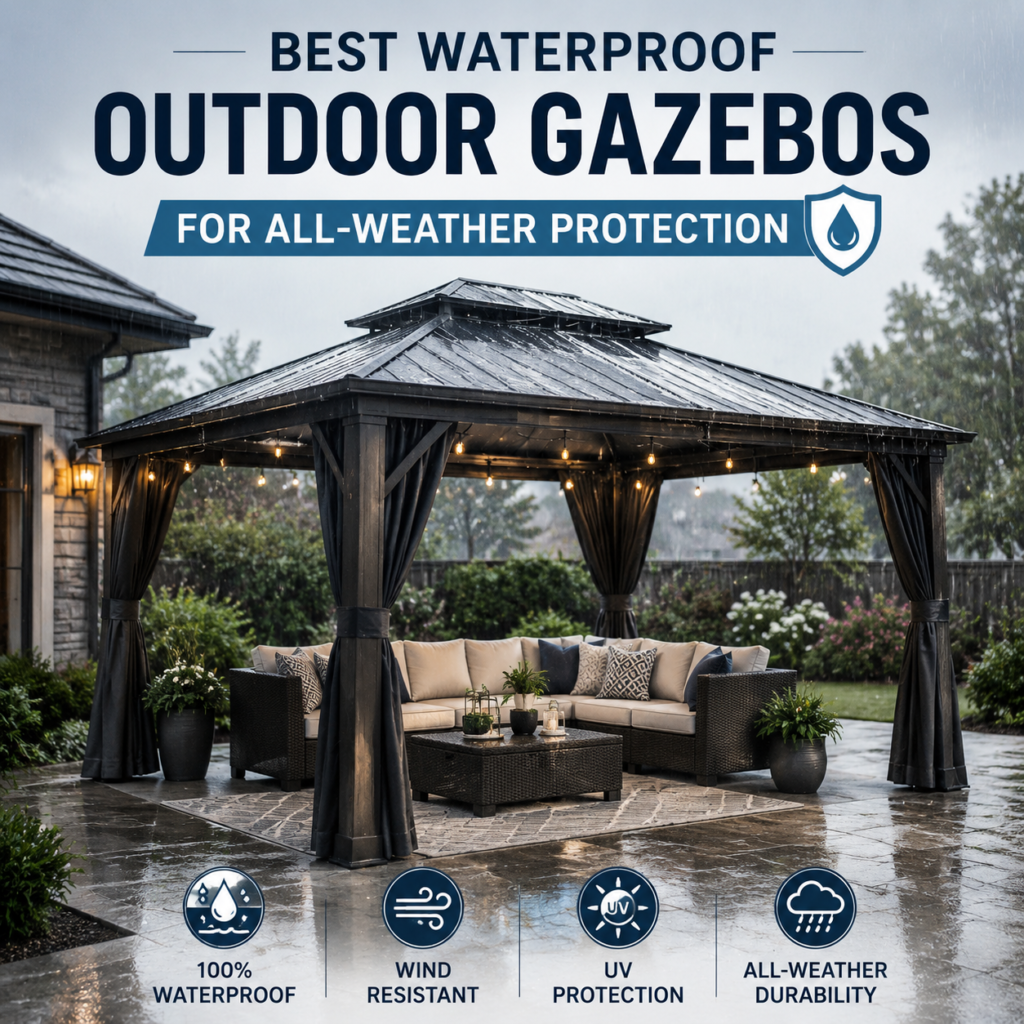
A waterproof outdoor gazebo can completely change the way you use your backyard, patio, garden, or commercial outdoor space. Instead of treating your outdoor area as a fair-weather zone, a well-designed gazebo creates a sheltered retreat you can enjoy in more conditions—light rain, harsh sun, falling leaves, and even windy afternoons. Whether you want a place for dining, entertaining, relaxing, or hosting events, the right gazebo adds both function and style.
But not all gazebos are created equal. Some are only water-resistant, some are fully waterproof, and many look attractive but struggle when weather turns serious. If you are considering one, it helps to understand what makes a gazebo truly waterproof, what materials last longest, how to install it properly, and how to choose a design that suits your space.
This guide walks through everything you need to know about selecting, using, and maintaining a waterproof outdoor gazebo.
What Is a Waterproof Outdoor Gazebo?
A waterproof outdoor gazebo is a freestanding or semi-permanent outdoor structure designed to keep rain out and provide protected space underneath. Unlike a simple shade canopy, a waterproof gazebo has a roof system built to block water intrusion, often using materials such as:
- Polycarbonate panels
- Metal roofing
- Waterproof fabric with sealed seams
- Tensioned PVC or vinyl covers
- Composite roof systems
The main goal is not just shade, but dependable shelter. A waterproof gazebo allows people, furniture, grills, dining sets, and décor to remain dry during rain. In many cases, it also reduces sun exposure, making the space more usable throughout the day.
Why Waterproofing Matters
A gazebo that cannot handle rain is limited in usefulness. Waterproofing matters for several reasons:
1. Year-Round Usability
Rain should not end your gathering or force you to move everything indoors. A waterproof gazebo lets you keep using the space even when the weather changes.
2. Furniture Protection
Outdoor cushions, dining sets, rugs, and lounge seating can be expensive. A waterproof roof helps shield them from water damage and mold growth.
3. Better Comfort
Even mild rain or dripping condensation can ruin an otherwise relaxing time outside. Waterproof coverage keeps the area drier and more comfortable.
4. Structural Longevity
When water penetrates roof materials or collects in the wrong places, it can cause rot, rust, mildew, and wear over time. Waterproofing supports longer-lasting performance.
5. More Flexible Design
A protected gazebo can serve many roles: outdoor dining area, hot tub cover, garden reading nook, event shelter, or backyard lounge.
Types of Waterproof Outdoor Gazebos
There are several styles and construction methods to consider. Each has advantages depending on your climate, budget, and how you plan to use the gazebo.
Hardtop Gazebos
Hardtop gazebos are among the most durable waterproof options. They usually feature:
- Aluminum frames
- Steel frames
- Polycarbonate or metal roof panels
These are ideal for semi-permanent or permanent installations. They handle rain better than fabric models and tend to last longer with less maintenance. Polycarbonate roofs are especially popular because they provide light while still blocking rain and UV rays.
Best for: Long-term use, harsh weather, backyard seating areas, outdoor dining spaces
Soft-Top Waterproof Gazebos
Soft-top gazebos use fabric roofs made from waterproof materials like polyester, PVC-coated fabric, or vinyl. They are generally lighter and more affordable than hardtop versions.
However, not every soft-top model is truly waterproof. Some are only water-resistant or can handle brief light rain but struggle in heavy storms. The quality of seams, material coating, and drainage design matters a lot.
Best for: Seasonal use, budget-conscious buyers, portable setups
Pergola-Style Gazebos with Waterproof Covers
Some gazebos are built with open or slatted frames and then paired with waterproof retractable covers or roof panels. These offer a balance between open-air feel and weather protection.
Best for: Stylish backyard spaces, flexible shade-and-shelter use
Pop-Up Waterproof Gazebos
Pop-up gazebos are portable and convenient, making them useful for events, temporary shade, or market setups. Many advertise waterproofing, but performance can vary significantly.
If portability is your top priority, look for sealed seams, reinforced corners, and a roof design that sheds water effectively.
Best for: Temporary events, camping, gatherings, flexible placement
Materials That Perform Best
When shopping for a waterproof outdoor gazebo, materials matter as much as the overall design. A great frame with a weak roof will still fail in bad weather.
Frame Materials
Aluminum
Aluminum is lightweight, rust-resistant, and relatively low maintenance. It is a strong choice for wet climates because it will not corrode like untreated steel.
Powder-Coated Steel
Steel frames are sturdy and often more affordable, but they need protective coatings to resist rust. A powder-coated finish helps extend lifespan, especially in humid or rainy environments.
Wood
Wood gazebos have classic visual appeal, but they require more upkeep. Unless properly treated, sealed, and maintained, wood can absorb moisture and deteriorate over time.
Roof Materials
Polycarbonate
Polycarbonate panels are one of the best choices for waterproof gazebo roofs. They are durable, impact-resistant, UV-protective, and capable of shedding rain efficiently. Clear or tinted versions can also let natural light through.
Metal Roofing
Metal roofs offer excellent durability and water resistance. They are strong in heavy rain and snow, though they may increase noise during storms unless insulated or designed with sound-reducing features.
Waterproof Fabric
Look for dense, coated fabric with sealed seams. Materials like PVC-coated polyester or vinyl are more reliable than basic fabric canopies. Drainage design and tensioning are critical.
Key Features to Look For
When comparing models, certain features separate reliable gazebos from disappointing ones.
Proper Roof Slope
A slightly sloped roof helps water run off instead of pooling. Flat or poorly angled roofs may collect rain, adding stress and increasing the chance of leaks.
Sealed Seams and Corners
For fabric gazebos, reinforced and sealed seams are essential. Water often enters at stitching points or weak corners first.
Gutters or Drainage Channels
Some hardtop gazebos include built-in gutters or channels to direct water away from the structure. This is especially useful in climates with frequent rainfall.
Sturdy Anchoring System
Even the best gazebo needs proper anchoring. Strong winds and storms can lift or shift lightweight structures. Look for:
- Ground stakes
- Expansion bolts
- Concrete anchors
- Weighted bases for temporary models
UV Protection
A good waterproof gazebo should also block damaging sunlight. UV resistance helps preserve roof materials and keeps the shaded area cooler.
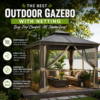
Mosquito Nets or Side Curtains
Side panels can make a gazebo more versatile. Waterproof side curtains may help block wind and rain, while mesh screens reduce insects during summer evenings.
Ventilation
A fully sealed space can feel hot and stuffy. Roof vents or breathable side options help air circulate without compromising shelter.
Choosing the Right Size
Size should match your intended use, not just the space you have available.
Small Gazebos
Compact models are suitable for a bistro table, two lounge chairs, a hot tub, or a private reading space. They work well in smaller yards or patios.
Medium Gazebos
These are ideal for family seating, a dining table, or a conversation area. They are often the most versatile size for residential use.
Large Gazebos
Larger structures are great for entertaining, outdoor kitchens, event seating, or commercial applications. They require more planning, stronger anchoring, and often a more substantial foundation.
Before buying, measure the area carefully and leave room for:
- Walking paths
- Furniture clearance
- Door openings or side access
- Safe drainage around the base
Where to Place a Waterproof Gazebo
The location of your gazebo affects both comfort and performance.
Consider Sun Exposure
A spot with afternoon shade can reduce heat buildup, while a sunnier location may make a polycarbonate roof feel brighter and more open.
Check Drainage
Avoid low spots where water pools after rainfall. Proper drainage around the base is essential to prevent flooding, mud, and foundation problems.
Think About Wind
Gazebos placed in open areas may experience strong wind loads. Positioning near a fence, wall, or landscape feature can help, but do not block airflow too much.
Plan for Utility Access
If you want to use lighting, fans, heating, or a sound system, place the gazebo where power access is possible or easy to add.
Installation Tips for Better Waterproofing
A gazebo may be sold as waterproof, but installation quality often determines how well it actually performs.
Prepare a Solid Base
A level, stable base is crucial. Common options include:
- Concrete slab
- Pavers
- Decking
- Compact gravel foundation
- Reinforced patio surface
Soft soil alone is rarely ideal for long-term support.
Follow Assembly Instructions Carefully
Improperly aligned roof sections, loose fasteners, or inverted panels can create leaks. Take time during installation to ensure each piece fits as intended.
Seal Where Needed
Some gazebo models benefit from additional weatherproof sealant around joints or panel edges. Always check manufacturer guidance before adding sealant, especially if it could void a warranty.
Anchor Securely
Do not skip anchoring. Even a waterproof gazebo should be fastened firmly to prevent movement during wind or heavy rain.
Test for Leaks
After installation, use a hose test or observe the first rainfall. Look for dripping at seams, corners, and panel connections. Catching small issues early is much easier than repairing water damage later.
Maintenance for Long-Term Waterproof Performance
Waterproof gazebos still need maintenance. Routine care helps preserve their appearance and function.
Clean the Roof Regularly
Leaves, dirt, pollen, and bird droppings can affect drainage and degrade surfaces. Wash the roof and frame gently with mild soap and water.
Clear Debris
Branches and leaves can block water flow and trap moisture. In autumn especially, check the roof after storms or windy days.
Inspect Seams and Fasteners
For fabric roofs, watch for loosened stitching, tears, or stretching. For hardtop models, inspect screws, bolts, and panel joints regularly.
Prevent Mold and Mildew
If a fabric gazebo remains damp for long periods, mildew may develop. Allow air circulation and clean affected areas quickly with approved cleaners.
Reapply Protective Coatings if Needed
Some fabric and wood structures benefit from periodic water-repellent treatments. Follow product instructions carefully.
Common Mistakes to Avoid
Many buyers focus on appearance and overlook practical issues. Avoid these common mistakes when choosing a waterproof outdoor gazebo:
Assuming “Water-Resistant” Means Waterproof
These are not the same. Water-resistant models may handle splashes or light rain, but that does not guarantee full storm protection.
Ignoring Climate Conditions
A gazebo that works well in a mild, dry region may fail in a rainy or windy climate. Match the materials and frame strength to your environment.
Choosing Style Over Strength
A decorative gazebo is appealing, but if the roof leaks or the frame bends easily, it will become frustrating fast.
Skipping Anchoring
Even a heavy structure can shift in strong weather. Proper anchoring is essential for safety and stability.
Overcrowding the Space
Too much furniture or too many accessories can reduce airflow and make the area feel cramped. Leave room for movement and drainage.
Best Uses for a Waterproof Outdoor Gazebo
A waterproof gazebo can serve many purposes beyond basic shade.
Outdoor Dining Area
With a table and chairs underneath, you can eat outside comfortably even if the weather turns damp.
Backyard Lounge
Add sofas, an outdoor rug, and lighting to create a sheltered relaxation zone.
Hot Tub Shelter
A gazebo can provide privacy and weather protection around a spa or hot tub, making it usable in more seasons.
Garden Retreat
Place one near landscaping, a pond, or a quiet corner of the yard for reading, tea, or meditation.
Event Space
For parties, small weddings, or family gatherings, a waterproof gazebo can act as a focal point and shelter guests from the weather.
Outdoor Work Area
If you need a shaded, protected place for hobbies, crafts, or remote work, a gazebo can help extend your usable outdoor space.
Waterproof Gazebo Accessories That Add Value
The right accessories can make your gazebo more useful and comfortable.
Outdoor Curtains
Water-resistant or waterproof curtains can block wind, rain, and sun while creating privacy.
Lighting
String lights, lanterns, or mounted LED fixtures help make the space usable in the evening.
Fans or Heaters
Depending on your climate, a fan can improve airflow in summer, while a heater can make the area more comfortable during cooler months.
Furniture Covers
If the gazebo is only partially enclosed, waterproof furniture covers help protect cushions and accessories.
Mosquito Screens
In warm seasons, mesh screens can make the gazebo more pleasant without sacrificing ventilation.
How to Evaluate Quality Before Buying
When comparing options online or in stores, review product details carefully.
Look for:
- A clearly stated waterproof rating or construction description
- Frame material and coating quality
- Roof type and panel thickness
- Warranty length
- User reviews mentioning real rain performance
- Anchoring hardware included with the product
- Replacement parts availability
If the product description is vague, that can be a warning sign. Strong waterproof performance should be explained with specific materials and design features.
Budget Considerations
Waterproof gazebos come in a wide price range.
Lower-Cost Options
Budget models can be fine for light seasonal use, but they often use thinner frames and fabric roofs that require more care.
Mid-Range Options
These often offer the best balance of price, durability, and appearance for homeowners.
Premium Options
Higher-end gazebos usually include stronger frames, better roofing, improved anchoring, and longer warranties. They are often worth the investment if you want long-term use.
When budgeting, remember to include:
- Delivery costs
- Base preparation
- Anchoring hardware
- Installation
- Accessories
- Maintenance supplies
A cheaper gazebo that fails in one season may cost more in the long run than a durable one that lasts for years.
Is a Waterproof Outdoor Gazebo Worth It?
For many homeowners, the answer is yes. A waterproof outdoor gazebo adds usable square footage without a full home renovation. It creates a place to gather, relax, dine, or entertain while offering real protection from the weather.
The key is choosing the right model for your environment and expectations. If you need a long-lasting structure in a rainy climate, a hardtop gazebo with a strong frame is usually the best investment. If you want portability or a lower upfront cost, a quality soft-top option may be enough, as long as you understand its limits.
Conclusion
A waterproof outdoor gazebo is more than a stylish backyard feature. It is a practical investment that expands how and when you use your outdoor space. By choosing durable materials, a well-designed roof, proper anchoring, and thoughtful placement, you can create a sheltered area that performs well in real weather, not just in perfect conditions.
Whether you want a quiet retreat, a family dining space, or an attractive entertainment zone, the right gazebo can turn an ordinary yard into a comfortable outdoor living area that feels usable in many seasons.

Add comment