
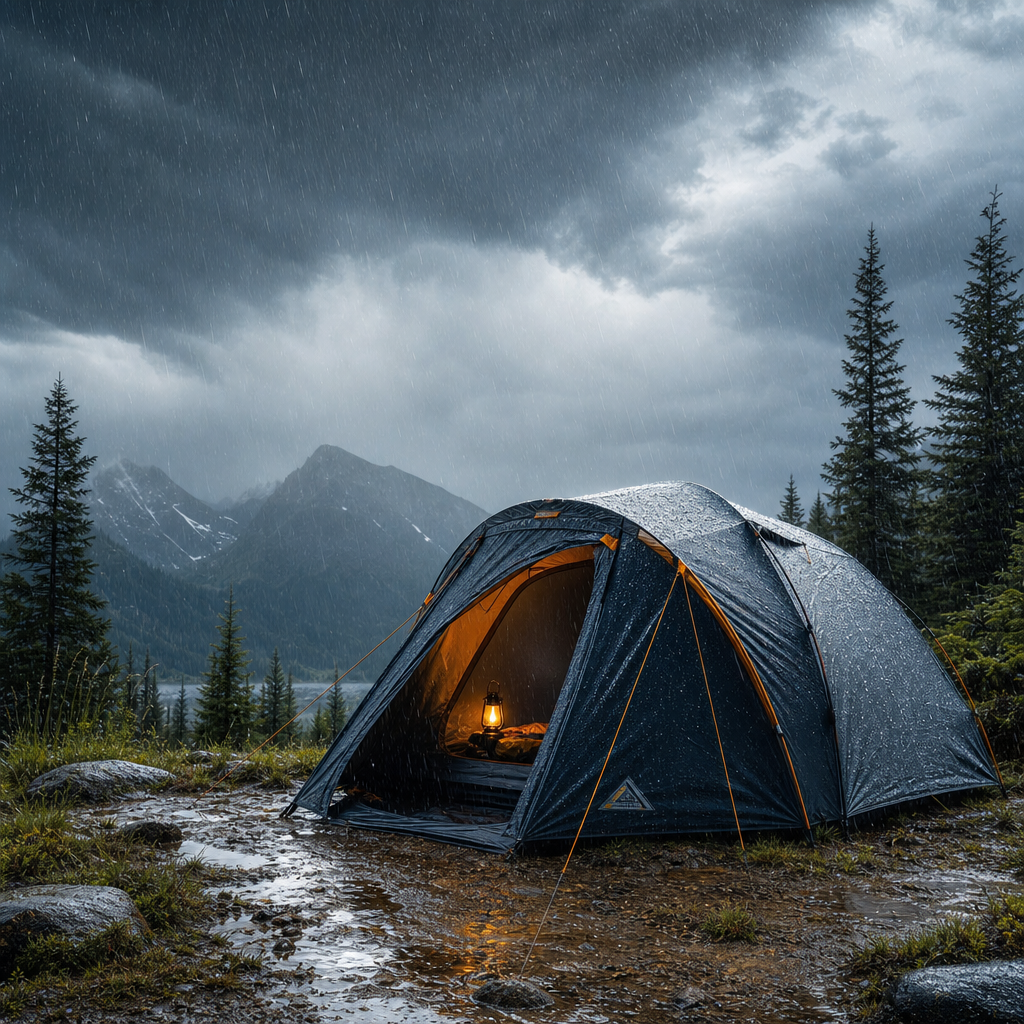
Waterproof Tent: The Complete Guide to Staying Dry Outdoors
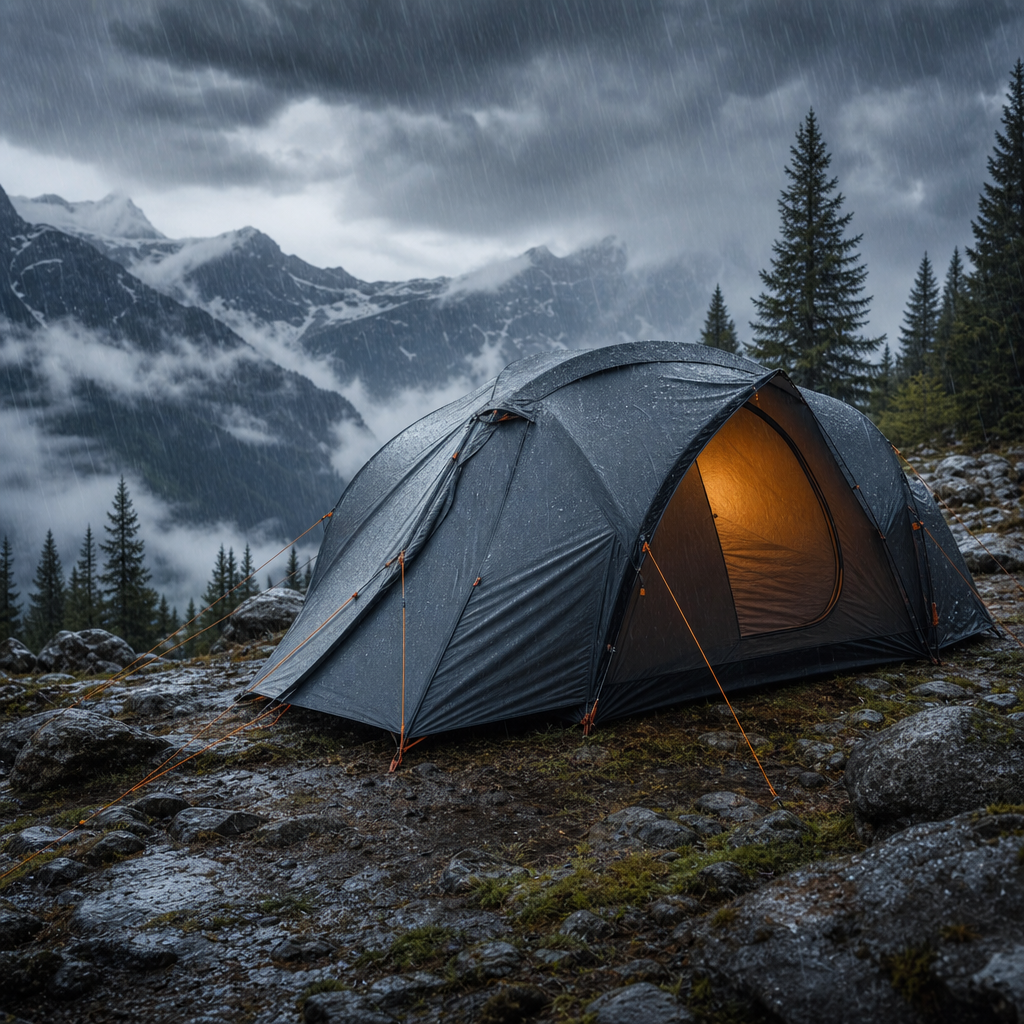
A waterproof tent is one of the most important pieces of gear you can bring on a camping trip. Whether you’re heading into the mountains, setting up at a rainy festival, or planning a weekend in the woods, your tent is your first line of defense against wet weather. If it leaks, sags under rain, or lets condensation ruin your sleep, the whole trip can become uncomfortable fast.
But not all waterproof tents are the same. Some are built for light showers, while others are designed to withstand days of heavy rain, strong wind, and harsh conditions. Understanding what makes a tent truly waterproof can help you choose the right model, set it up properly, and keep it performing well for years.
This guide covers everything you need to know about waterproof tents, including key features, material ratings, setup tips, maintenance advice, and how to choose the best tent for your needs.
What Is a Waterproof Tent?
A waterproof tent is designed to keep rain and ground moisture from entering the shelter. In simple terms, it should prevent water from coming through the tent fabric, seams, floor, zippers, and ventilation openings when used correctly.
However, “waterproof” does not always mean “impenetrable under any condition.” In the outdoor world, waterproofing usually means a tent is built to resist rain up to a certain level, measured by fabric ratings and construction quality.
A truly waterproof tent usually includes:
- A rainfly that covers the tent body
- Tightly sealed seams
- Water-resistant or waterproof floor material
- Durable zippers with protective flaps
- Good ventilation to reduce internal condensation
The best waterproof tents balance protection, breathability, weight, and ease of setup.
Why Waterproofing Matters
Rain can affect a camping trip in more ways than just getting you wet.
Comfort and Sleep Quality
A damp sleeping area can make it hard to relax or stay warm at night. Wet clothing, soaked bedding, and condensation dripping from the ceiling can quickly turn a cozy setup into a miserable one.
Gear Protection
Phones, sleeping bags, clothing, and food supplies can all be damaged by water. A reliable waterproof tent helps protect expensive gear and keeps essentials dry.
Safety
In serious weather, a poor tent can become more than an inconvenience. Prolonged exposure to rain and moisture can lead to hypothermia, especially in cool temperatures or at higher elevations.
Trip Enjoyment
Even a light drizzle can ruin a camping experience if the tent leaks. A good waterproof tent lets you focus on the trip instead of worrying about weather reports.
How Waterproof Tents Are Rated
When shopping for a waterproof tent, you’ll often see terms like hydrostatic head, denier, PU coating, or DWR finish. These ratings and materials tell you how well the tent can resist water.
Hydrostatic Head Rating
Hydrostatic head is one of the most common waterproof ratings. It measures how much water pressure a fabric can withstand before leaking, usually expressed in millimeters.
For example:
- 1,500 mm: Suitable for light rain
- 2,000–3,000 mm: Good for moderate rain and general camping
- 3,000+ mm: Better for heavier rain and more demanding conditions
A higher number generally means better waterproof performance, though other design factors also matter.
Denier
Denier measures the thickness of fibers used in the fabric. A higher denier often means stronger, more durable material, though it can also mean more weight.
Examples:
- 20D to 40D: Lightweight tents for backpacking
- 50D to 75D: Balanced durability and weight
- 100D+: Heavy-duty, rugged tents
Denier does not directly measure waterproofing, but it affects how well the tent holds up over time.
Coatings and Laminates
Many tents use coatings to improve water resistance:
- PU coating: Common and affordable
- Silicone coating: Lightweight and durable, often used in high-end tents
- Silpoly and silnylon: Fabric types with silicone-based waterproofing
These materials can greatly improve performance, but they also affect stretch, weight, and price.
Key Parts of a Waterproof Tent
A waterproof tent is more than just waterproof fabric. Several components work together to keep rain out.
Rainfly
The rainfly is the outer waterproof layer that covers the tent body. It is one of the most important parts of the tent because it blocks direct rain and helps manage moisture.
A good rainfly should:
- Cover most or all of the tent body
- Extend low enough to block wind-driven rain
- Provide ventilation openings
- Be easy to tension securely
Full-coverage rainflies usually offer better protection than partial designs.
Tent Body
The tent body is the main enclosed living space. In many tents, the body is made of breathable mesh or light fabric, while the rainfly provides water resistance.
The tent body itself may not be fully waterproof, but it should be well-designed to prevent splash-back and reduce moisture buildup.
Tent Floor
The floor is critical because ground moisture can seep in from below. A waterproof floor with a bathtub-style design—where the floor material rises several inches up the sides—offers better protection.
Look for:
- Seam-taped floor construction
- A high hydrostatic head rating
- Durable materials that resist abrasion from rocks and roots
Seams
Even waterproof fabric can leak through stitching holes unless the seams are sealed. Good tents use:
- Factory-taped seams
- Heat-sealed seams
- Seam sealing treatment
If seams are not properly sealed, water may enter during heavy rain or after extended exposure.
Zippers and Doors
Zippers are frequent weak points. Waterproof or protected zippers reduce the chance of leaks. Storm flaps and zipper garages also help stop water from entering through openings.
Ventilation
This may seem unrelated to waterproofing, but it is essential. If a tent is too sealed, condensation builds up inside. That moisture can drip down and feel like a leak, even when no rain is entering.
Types of Waterproof Tents
Different camping styles require different tent designs. The best waterproof tent for you depends on how and where you camp.
Backpacking Tents
Backpacking tents are lightweight and compact, making them ideal for hikers who carry their gear long distances. They often use thinner materials to save weight, but many high-quality backpacking tents still offer excellent waterproofing.
Pros:
- Lightweight
- Easy to pack
- Often designed for quick setup
Cons:
- May be less durable than heavier tents
- Sometimes have smaller interiors
Family Camping Tents
Family tents are larger and often designed for comfort and space rather than low weight. They can be excellent waterproof tents if they include a sturdy rainfly, sealed seams, and a durable floor.
Pros:
- Roomy interior
- Comfortable for extended stays
- Often includes multiple doors and storage areas
Cons:
- Heavier and bulkier
- Can take longer to set up
Four-Season Tents
Four-season tents are built for harsh weather, including snow, strong wind, and heavy rain. These are usually the most protective tents, though they may be overkill for casual summer camping.
Pros:
- Strong structure
- Excellent weather resistance
- Better for alpine or winter use
Cons:
- Heavier
- Less breathable in warm weather
- More expensive
Festival and Weekend Tents
These are often budget-friendly options for light use. Some are adequately waterproof for mild rain, but not all are built for prolonged wet conditions.
Pros:
- Affordable
- Easy to set up
- Suitable for occasional use
Cons:
- Waterproofing may be limited
- Less durable over time
How to Choose the Best Waterproof Tent
Choosing the right waterproof tent involves balancing weather protection with comfort, weight, and budget.
Consider Your Camping Environment
Think about where you’ll use the tent most often.
- Wet forests or mountain regions: Prioritize high waterproof ratings and strong seams
- Fair-weather camping with occasional rain: A mid-range waterproof tent may be enough
- Winter or storm-prone areas: Look for reinforced construction and full protection
Match the Tent to Your Activities
Different activities call for different tent styles:
- Backpacking: Lightweight waterproof tent with compact size
- Car camping: Larger tent with more headroom and living space
- Festival camping: Simple, fast-pitch tent with basic weather protection
- Expedition use: Durable, reinforced tent with strong weather resistance
Check the Rainfly Coverage
A tent with a full-coverage rainfly usually performs better in rain than one with partial coverage. If you expect bad weather, this is one of the most important features to prioritize.
Look at Floor Protection
The floor often gets overlooked, but it matters just as much as the roof. A waterproof tent should protect you from mud, wet grass, and puddles on the ground.
Balance Weight and Durability
If you’re hiking long distances, every ounce matters. But if your main concern is comfort and weather protection, a heavier and more durable tent may be worth it.
Pay Attention to Ventilation
A tent that is waterproof but poorly ventilated can leave you dealing with condensation. Good airflow matters as much as water resistance.
Common Mistakes When Buying a Waterproof Tent
Many people assume that all tents labeled “waterproof” will keep them completely dry. That’s not always true. Here are some common mistakes to avoid.
Focusing Only on Price
Cheap tents may look appealing, but low-cost models often use weaker materials, poor seam sealing, and limited rainfly coverage. A slightly higher investment can make a big difference in comfort and reliability.
Ignoring Seams and Zippers
Fabric ratings matter, but water often gets in through seams, doors, or floor edges. Always check the construction details.
Choosing the Wrong Size
A tent that is too small can feel cramped and may cause condensation to build up more quickly. Picking a slightly larger tent than you think you need can improve comfort.
Forgetting About the Ground
Even a waterproof tent can leak if it is pitched in a low spot where water pools. Tent performance depends on both the tent and the campsite.
Not Testing It Before the Trip
Setting up your tent at home before a trip helps you spot defects, learn the setup process, and identify any weak points before you’re caught in the rain.
How to Set Up a Waterproof Tent Properly
Even the best waterproof tent can fail if it is pitched incorrectly. Proper setup is essential.
Choose the Right Campsite
Pick a spot with:
- Slight elevation
- Good drainage
- Minimal chance of pooling water
- No dead branches overhead
- A relatively flat surface
Avoid low areas, dry creek beds, and depressions where rainwater can collect.
Use a Groundsheet or Footprint
A footprint or groundsheet adds a layer of protection between the tent floor and the ground. Make sure it does not extend beyond the tent floor, or it may collect rainwater and funnel it underneath.
Tighten the Rainfly
The rainfly should be pitched evenly and securely. Loose fabric can flap in the wind and allow water to seep through seams or openings.
Improve Ventilation
Open vents when possible, and avoid sealing the tent too tightly unless the weather demands it. Condensation is a major cause of perceived leaks.
Check for Sagging
Some fabrics, especially certain types of nylon, may stretch when wet. If your tent sags after rain begins, tighten the guy lines and adjust the poles if necessary.
How to Maintain a Waterproof Tent
Waterproofing does not last forever. Dirt, UV exposure, abrasion, and age can reduce performance over time. Good maintenance can extend the life of your tent.
Clean It After Use
After every trip, brush off dirt, mud, and debris. If needed, gently clean the tent with mild soap and water. Avoid harsh detergents, which can damage coatings.
Dry It Completely
Never store a wet tent for long periods. Moisture can cause mildew, odors, and fabric damage. Hang it up until every part is fully dry.
Reapply Seam Sealer
If seams begin to leak, use seam sealer to restore waterproof performance. This is especially helpful on older tents or heavily used gear.
Refresh the DWR Coating
Many rainflies use a durable water repellent finish, or DWR, that helps water bead and roll off. Over time, this coating wears down. You can restore it with a spray-on or wash-in treatment designed for outdoor fabrics.
Store It Properly
Keep your tent in a cool, dry place away from direct sunlight. Long-term exposure to heat and UV rays can weaken waterproof materials.
Signs Your Waterproof Tent Needs Attention
A tent may still look fine from the outside while losing its ability to keep water out. Watch for these warning signs:
- Water beading less effectively on the rainfly
- Damp spots on the floor after rain
- Leaks along seams or corners
- Sticky or flaky coating on fabric
- Cracked or damaged zippers
- Mold or mildew smell
If you notice any of these issues, inspect the tent before your next trip and make repairs as needed.
Best Practices for Staying Dry in Any Tent
Even with a waterproof tent, your habits matter. A few simple techniques can help prevent problems.
Keep Wet Gear Outside or in the Vestibule
Boots, rain jackets, and wet clothing should stay outside the sleeping area when possible. This reduces moisture inside the tent.
Avoid Touching the Walls
When fabric is pressed from the inside, water can transfer through condensation or heavy rain. Keep sleeping bags and gear away from the tent walls.
Use Guy Lines
Guy lines stabilize the tent in wind and help keep the rainfly tensioned. Proper tension improves both waterproofing and durability.
Bring a Tarp for Extra Protection
A tarp over the tent can provide added shelter in prolonged rain. Just make sure it is pitched high enough for airflow and does not trap moisture.
Example: Choosing the Right Waterproof Tent for Different Campers
The Weekend Camper
A family driving to a campground for two nights may want a spacious tent with a strong rainfly and a waterproof floor. Weight is less important than comfort and convenience.
The Backpacker
A solo hiker on a multi-day trail needs a lightweight waterproof tent with a high-quality rainfly, sealed seams, and a compact pack size.
The Festival-Goer
A budget-conscious camper attending a summer festival may only need a basic tent with moderate waterproofing, but should still prioritize reliable seams and a decent footprint.
The Mountain Camper
Someone camping in unpredictable alpine weather should look for a high-performance tent with excellent wind resistance, strong poles, and a high hydrostatic head rating.
Final Thoughts on Waterproof Tents
A waterproof tent is one of the smartest investments you can make for outdoor comfort and safety. The best models do more than keep rain out—they provide a dry, stable, and reliable shelter in changing conditions.
When choosing a tent, look beyond the “waterproof” label. Pay attention to rainfly coverage, seam sealing, floor construction, ventilation, and the type of camping you plan to do. Set up the tent correctly, maintain it well, and inspect it regularly to make sure it continues performing when you need it most.
A good waterproof tent won’t just protect you from the weather. It will give you the confidence to enjoy the outdoors, even when the forecast changes.




Add comment